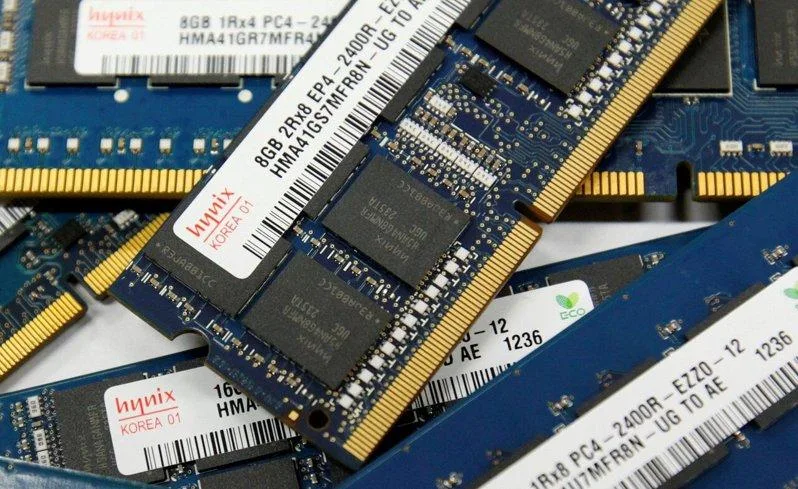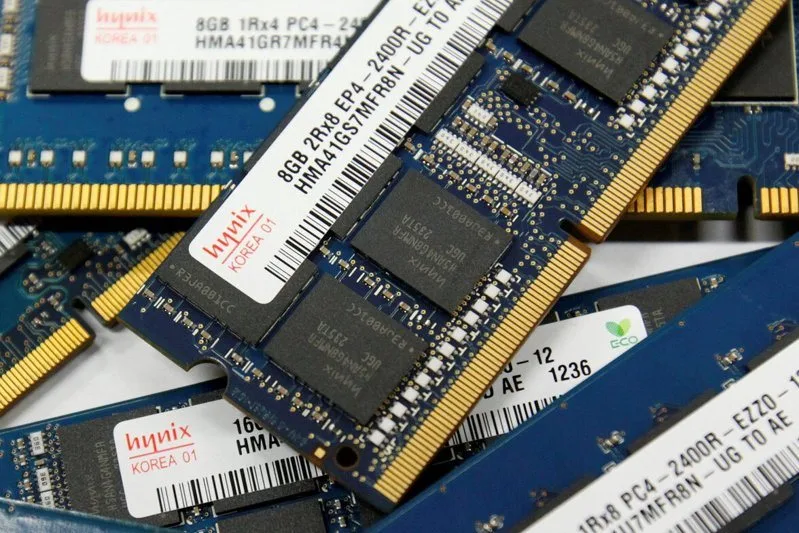
AI data centers are rapidly consuming high-bandwidth memory (HBM) and DRAM, causing widespread shortages and sharp price rises in memory chips originally made for smartphones, PCs, and consumer electronics [1, 2, 3, 4, 5]. Server memory now accounts for 60% to 70% of total demand, up from about 30% before the AI surge, with server DRAM requirements rising eight to tenfold [1].
Leading memory chip suppliers Samsung, SK Hynix, and Micron have shifted wafer capacity to focus on HBM and AI-related memory production. This shift has squeezed consumer DRAM and NAND supply, contributing to shortages and higher costs for end products [1, 2, 5]. Samsung reported a 90% rise in memory prices in Q1 2026, while contract DRAM prices hit their highest level in nearly a decade, jumping 58% to 63% in Q2 alone [1]. Micron's contract prices for data center memory chips surged from $350 to $1,300 per chip within a year [6, 7].
Apple CEO Tim Cook confirmed the company plans to raise product prices to offset soaring memory and storage chip costs. Cook said, "Price increases are unavoidable. We are doing our best to mitigate the huge cost increases passed to us and protect consumers, but the current situation is unsustainable" [8]. Market experts expect Apple to raise prices again when it launches the iPhone 18 series in September [1, 8]. Analyst Dan Ives said Apple had offset some cost hikes using earlier inventory but that buffer is diminishing [1].
Other major consumer electronics makers are also passing on costs. Microsoft announced new Surface Pro laptops with price increases up to $600, attributed partly to rising memory costs [6, 7]. Nintendo raised the Switch 2 price by about $50 in May [8, 7]. Sony’s PS5 Pro also faces higher pricing due to memory inflation [9]. In India and other emerging markets, consumers are feeling notable price inflation in electronics, with India’s central bank predicting a 5.9% CPI inflation rate in Q4 2026 partly impacted by electronics price rises [2, 5].
The supply crunch is compounded by slow construction of new semiconductor fabs. U.S. facilities expected to ease the shortage are not scheduled to come online until mid-2027 or as late as 2030, prolonging the supply-demand imbalance [1]. Kathryn Mitchell from DLA Piper highlighted the fundamental gap between fast AI technology changes and slow wafer fab expansions [1].
The rising use of AI data centers also increases electricity consumption, pushing up power costs for U.S. households. Nicole Greenfield of Consumer Reports warned higher utility fees may follow and consumers should engage with local hearings to voice concerns [3, 10]. South Korea’s central bank added that AI-related bonuses in semiconductor firms risk raising wage and inflation pressures further [11].
Power semiconductor makers supplying MOSFETs and diodes for data center power units are also benefiting from the AI-driven upcycle in prices and revenues [12].
Clients are adapting to memory price hikes by delaying purchases, reducing product specifications, or accepting higher retail prices [4]. Analysts expect elevated memory prices to continue through 2026-2028, with potential volatility and price drops only after new fabs ramp up production in 2027-2028 [1].
Apple’s planned iPhone 18 launch in September will test consumer tolerance for higher prices amid ongoing chip shortages and inflation pressures [1, 8, 9].