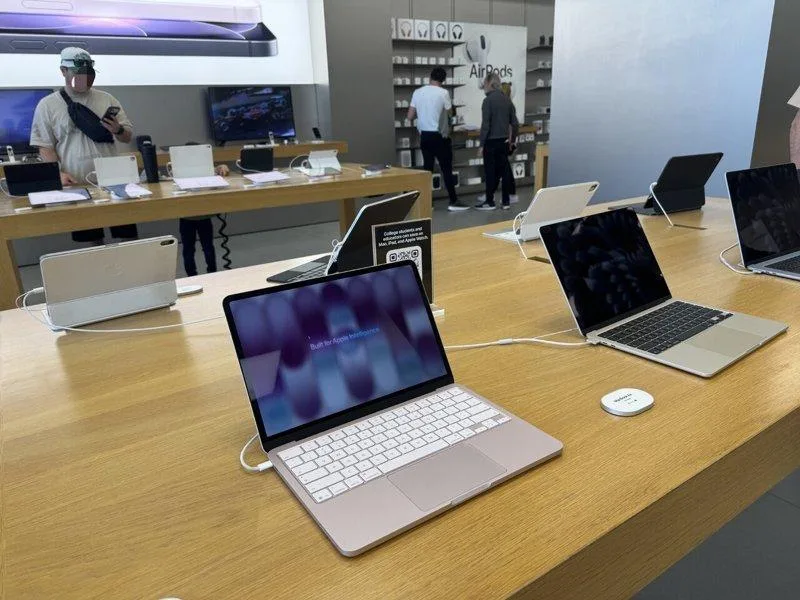
Apple increased prices on MacBooks, iPads, HomePod, Apple TV, and Vision Pro by 10% to 35%, with rises ranging from $100 to $500, starting with announcements in June 2026 [1, 2, 3, 4]. The MacBook Pro example price jumped from $1,699 to $1,999 during this period [2, 3].
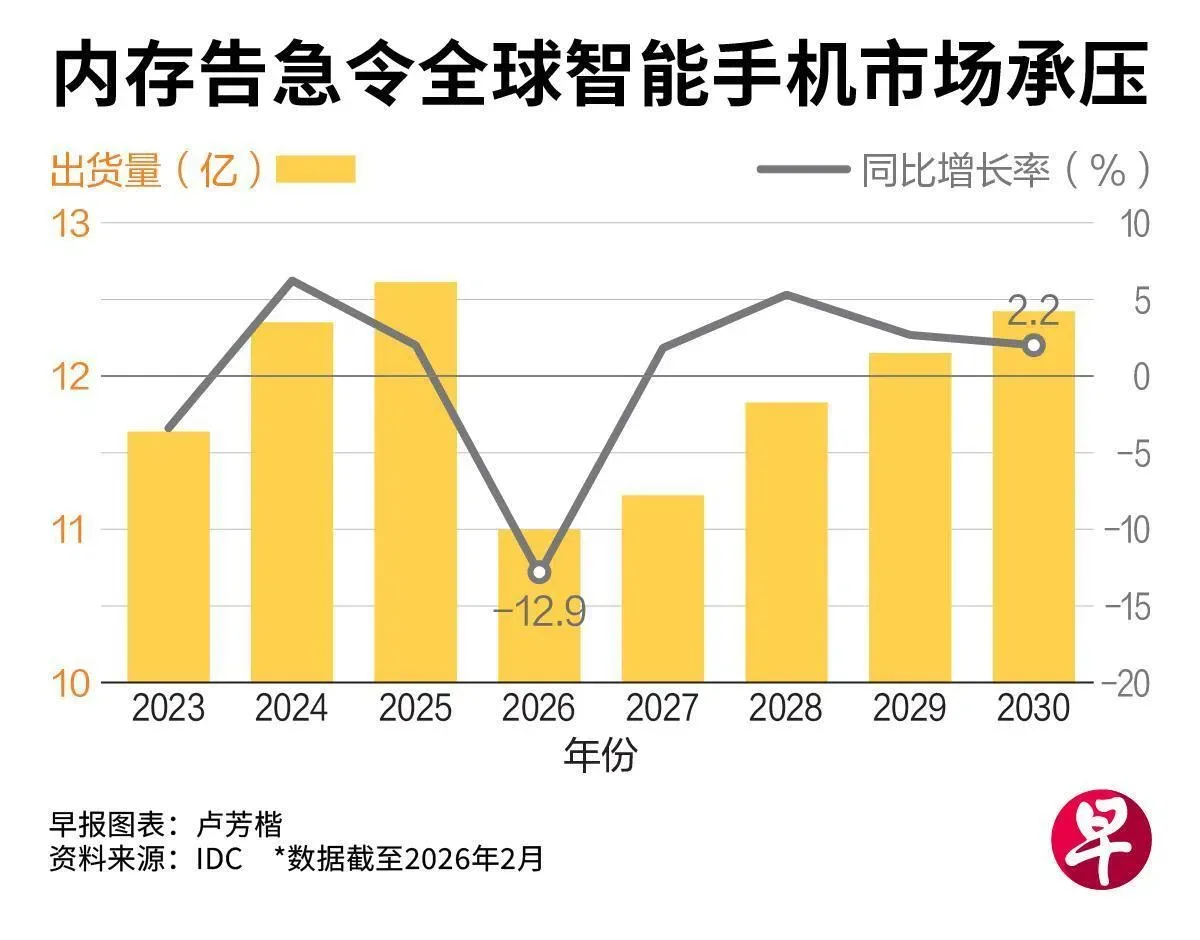
The memory chip shortage driving these price hikes stems from soaring demand for DRAM and NAND chips used in AI infrastructure and data centers, creating supply constraints and driving prices higher industry-wide [1, 2, 3, 5, 6, 7]. According to IDC client device research VP Mark Mo, "Memory supply tightness is a new normal. Consumers will face higher prices or lower specs under same budgets for phones and PCs" [1].
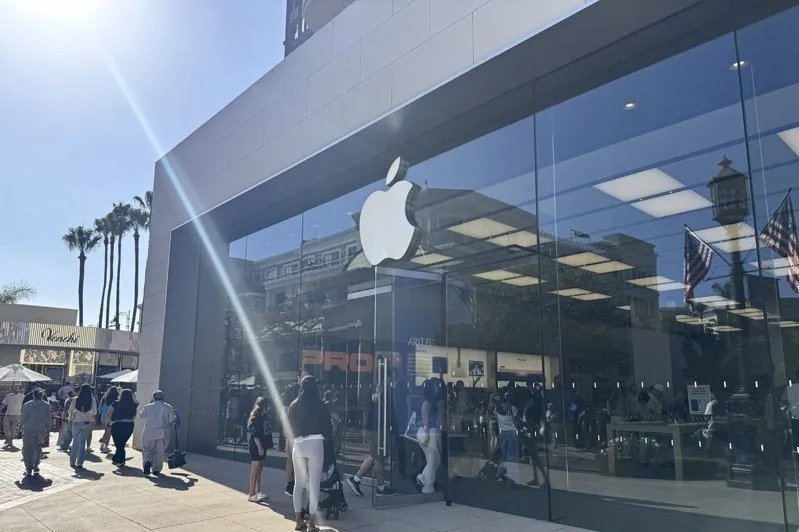
Apple initially absorbed the rising memory costs but eventually passed them on to consumers through product price increases [1, 2, 3, 4]. Apple Store staff reported no official announcement prior to the hikes[ s2]. Meanwhile, prices for iPhone, Apple Watch, and AirPods remained mostly stable despite the broader increases, with the average iPhone price increase expected later this year at around 14% according to some analysts [1, 2, 3, 8, 9].
Micron Technology executives have blamed customers, widely understood to be Apple, for pushing memory prices too low during 2022-2023, which resulted in underinvestment in production capacity and current shortages. Micron CFO Sumit Sadana stated, "Price surges are due to customers pushing prices too low during industry downturns, leading to underinvestment causing today's shortages" [4]. Micron CEO Sanjay Mehrotra echoed that certain customers "kept pushing chip prices down to unprofitable levels, which hurt our ability to invest" [6]. Apple, however, refutes blame, attributing price rises mainly to market-wide shortages fueled by AI demands [1, 2, 3].
Other consumer electronics companies are also raising prices amid the chip crunch. Microsoft increased Xbox console prices by $100 to $150 as of August 1, 2026, marking their third hike in 13 months. Sony, Nintendo, and Steam-related products have faced similar pricing pressures [1, 5, 7]. Some manufacturers respond by reducing product specs, such as memory capacity, instead of direct price increases [1, 7].
Consumer response includes delaying device upgrades and a rise in secondhand smartphone and refurbished device sales [1, 5]. Apple has responded with a limited rollout of certified refurbished Mac and iPad units sold online at discounts as a cost-saving alternative since July 2026 [10].
Counterpoint Research forecasts Apple to grow market share in smartphones, tablets, and notebooks in 2026 despite the headwinds, fueled by its broad device ecosystem and personalization capabilities, according to Principal Analyst Varun Mishra [8, 9].
The memory chip shortage and price inflation are expected to persist at least through 2027, as new semiconductor fabrication capacity will not come online until after 2027 due to long lead times [1, 4, 6, 7]. Micron is investing approximately $20 billion in fab capacity, reflecting industry efforts to address supply constraints [6].