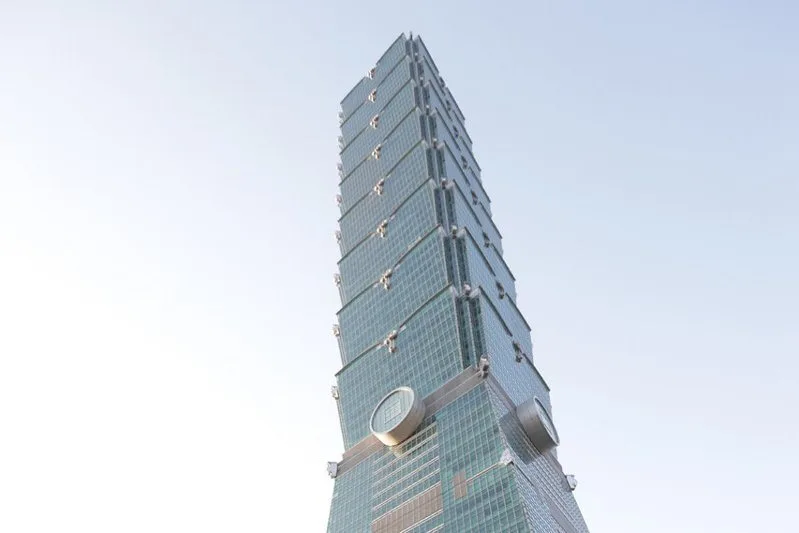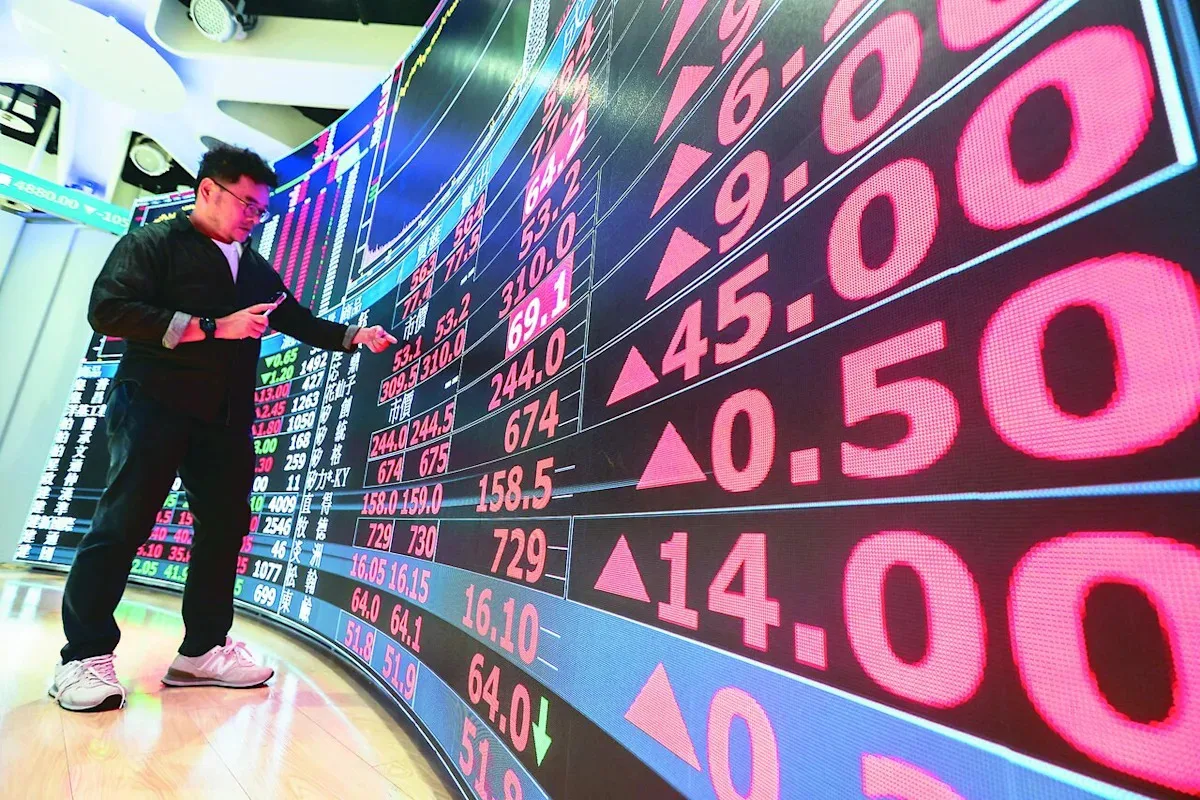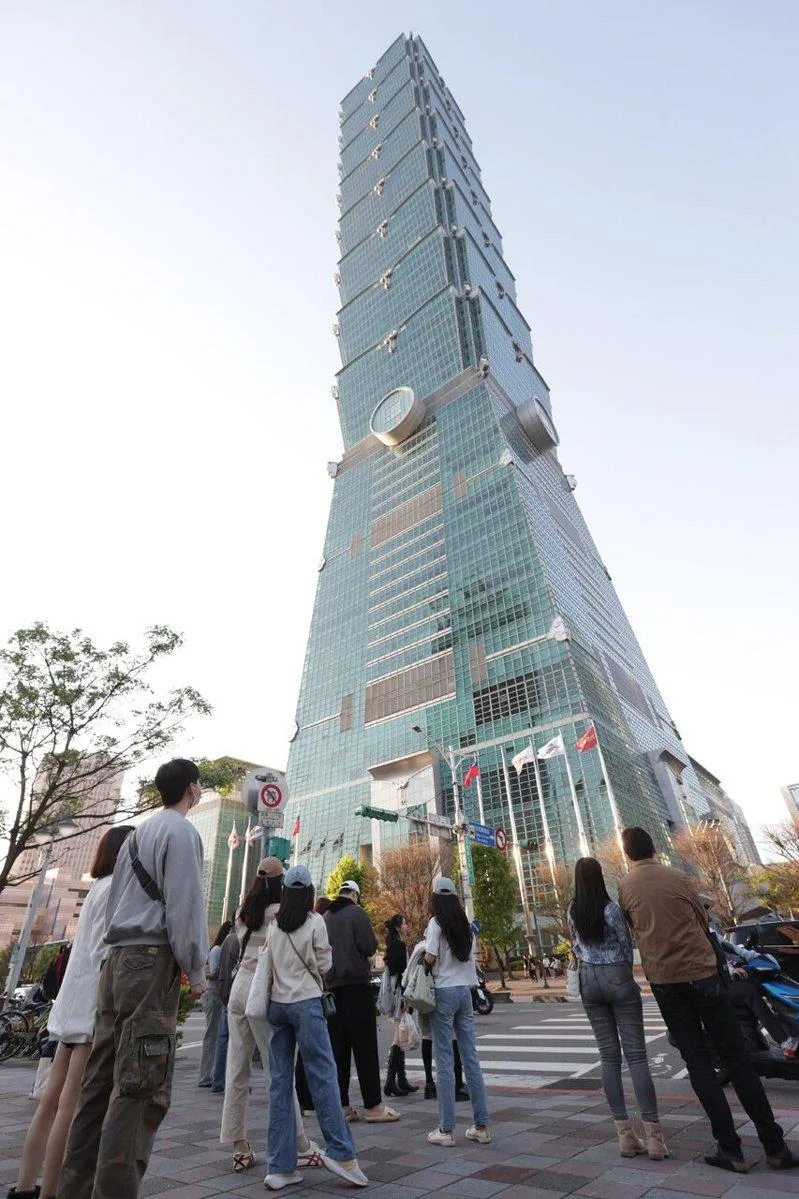
Taiwan's stock market capitalization doubled over the past year, led by Taiwan Semiconductor Manufacturing Company (TSMC), whose market value rose above $2.2 trillion USD, ranking seventh globally and surpassing Tesla and Meta [1, 2, 3, 4, 5, 6, 7]. The surge has sparked newfound enthusiasm among retail investors including young professionals and taxi drivers trading AI and semiconductor stocks, some seeing their assets multiply enough to buy property [1, 2, 3, 4, 6, 7]. Yeh Lun-hao, a 37-year-old Taiwanese insurance salesperson, said, "If not for semiconductors, none of this would have happened" and added that investing changed his life from mere survival to enjoying the world's beauty [1, 3].
South Korea's stock market capitalization also doubled over the past year, driven by semiconductor heavyweights like Samsung Electronics [1, 2, 3, 4, 5, 6, 7]. Retail investing has expanded rapidly, with over 180,000 brokerage accounts opened in the first quarter of 2026 for minors under 18 with parental consent, enabling even children to trade independently [3, 4, 5, 6, 7]. Na Se-bin, a 24-year-old South Korean software engineer, described the volatility, saying, "During market swings, profits or losses in a single second can equal a month's salary; despite the risks, the allure is irresistible" [1].
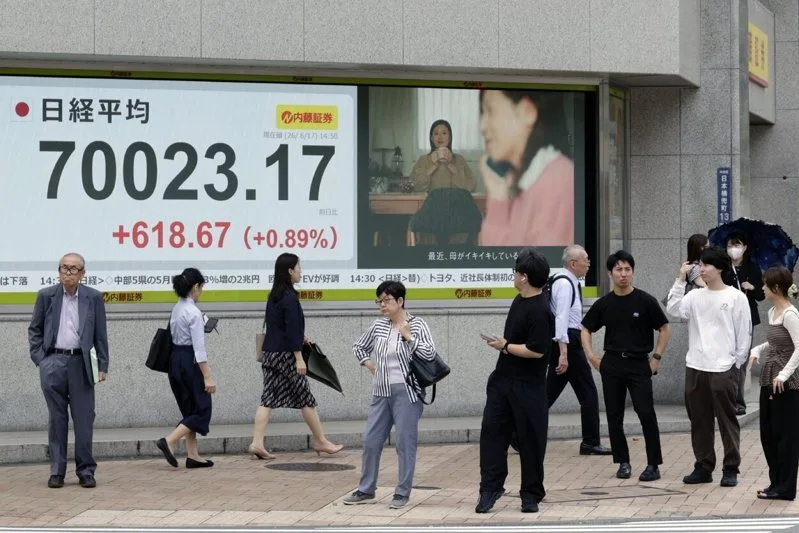
Japan's Nikkei index also rose more than 80% in the past year, yielding returns roughly three times greater than the S&P 500 over the same period [1, 2, 3, 4, 5, 6, 7]. The regional stock rise reflects massive investment flows into AI infrastructure globally, highly dependent on Asia's semiconductor exports, fueling the market surges in all three countries [1, 2, 3, 4, 8].
However, Taiwan's retail investor borrowing to buy stocks has surged 160% year-over-year, nearing bubble-era levels seen before the 2000 internet crash [9, 10, 11, 12]. Some investors take loans or refinance for bigger positions. This has led certain brokers to tighten lending standards amid rising risks [9, 10, 11, 12]. Andy Cheng, a 26-year-old Taiwanese investor, expressed confidence saying, "Any stock I buy earns money," while financial influencer 巴逆逆 admitted, "FOMO really caught me" when borrowing NT$5 million to invest [9, 10, 11, 12]. Central University economics professor 吳大任 warned, "Taiwan's stock market is clearly overheated; if it crashes suddenly, many young investors may suffer devastating losses" [9].
Investment in AI and chip stocks has become part of daily life and social interaction. Taxi drivers trade stocks and working at TSMC is cited as a desirable social credential in both Taiwan and South Korea [1, 2, 3, 4, 6]. Taipei's COMPUTEX 2026 showcased expanding AI applications from chips to hardware, echoing the sector's rapid growth [8]. Taiwanese fund managers recommend active stock funds over passive ETFs, citing fast industry changes and high stock price volatility in AI [8].
On June 22, Taiwan's stock index hit historic highs above 47,700 points, sustained by ongoing enthusiasm for AI-related shares [10, 11, 12]. The dramatic rise in retail accounts and borrowing signals closely watched conditions, with government monitoring expected amid concerns of overheating [9, 10, 12].