Apple launched its new device leasing program, Apple Upgrade, in the United States on July 28, 2026, aiming to boost hardware sales amid rising costs of components such as memory chips driven by AI data center demand [1, 2, 3, 4, 5, 6, 7]. The program covers most iPhone, Mac, iPad, and Apple Watch models but excludes budget options like the Apple Watch SE, entry-level iPad, iPhone 16, and MacBook Neo [1, 2, 4, 6, 8, 7].
Apple has partnered with Swedish fintech firm Klarna as the financial backer for the leasing program, which saw Klarna's stock jump up to 11% after the announcement [1, 2, 3, 9, 4, 5, 8, 7]. The leasing terms span 24 months for iPhones and Apple Watches, and 36 months for iPads and Macs [2, 3, 4, 10, 5, 6, 8, 7].
The Apple Upgrade program lets users pay off devices early, upgrade to newer models before the lease ends, or keep their devices after the lease period ends, offering more flexibility than previous financing options [1, 2, 3, 4, 6, 8, 7]. However, it does not include AppleCare warranty coverage [1, 2, 4, 6, 7]. Enrollment requires a soft credit check, and missed payments may result in the device entering a “Restricted Mode” that disables most apps until the account is brought current [2, 8, 7].
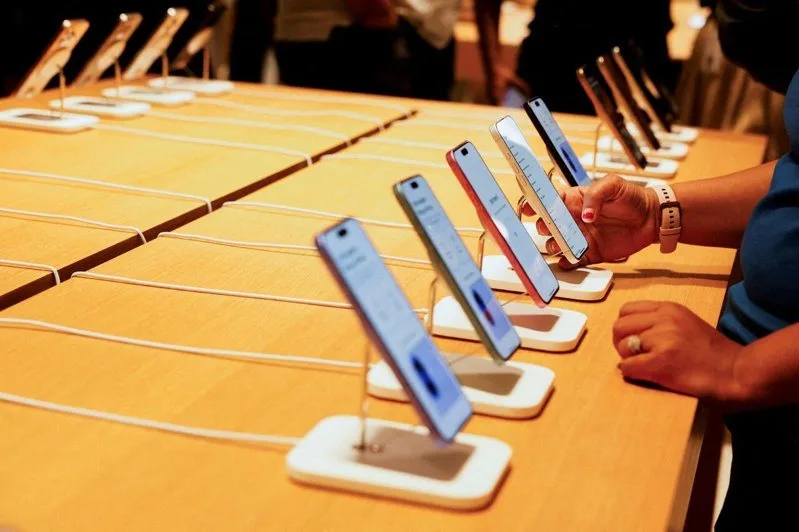
The leasing service is available both online and at Apple retail stores in the US, while Apple plans to end new enrollments in its previous iPhone Upgrade Program and standard financing to focus on Apple Upgrade [1, 3, 4, 5, 6, 7]. Apple intends to position the program with lower monthly payments than its current financing plans [1, 7].
Apple recently raised prices on most hardware except the iPhone, citing surging costs for memory chips linked to AI data center expansion, with outgoing CEO Tim Cook saying, “I’ve never seen anything like it in any area in over 40 years,” while trying to shield customers from price increases [1, 3, 10, 6, 7].
The program is currently limited to the US, with no confirmed plans for international expansion [4, 5, 8, 7].