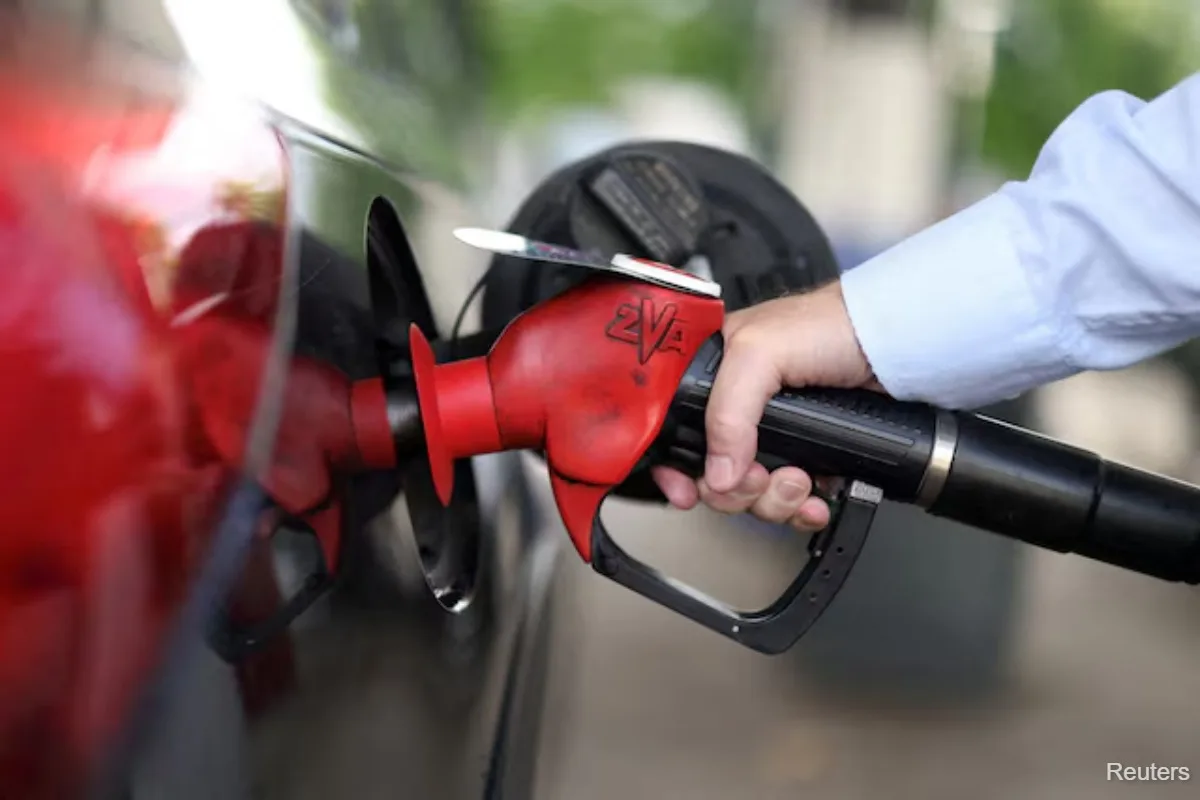
Australia announced on June 21 it will extend fuel excise relief for an additional month until the end of July, maintaining a cut of 16 cents per litre on petrol and diesel prices [1, 2, 3].
The government initially halved fuel excise and removed a heavy road user charge for three months starting March 2026, set to expire at the end of June [1, 2, 3]. This extension aims to ease cost pressures on Australians as fuel prices rise due to the ongoing war involving the US, Israel, and Iran that erupted in late February 2026. The conflict disrupted oil supply through the Strait of Hormuz, which before the war transported 20% of the world’s oil [1, 3].
Prime Minister Anthony Albanese said, "This is more temporary support that will help take the sting out of petrol prices and help Australians with the cost of living." He added, "We know that families are still under pressure, and we also know that the impact of this conflict on the other side of the world will have a long economic tail to it." [1]
The fuel relief is expected to save motorists roughly AUD 11 per tank [1, 4, 3]. Australia, highly reliant on imported fuel, has faced some localized shortages during the conflict [1, 2, 3]. The government also extended a measure releasing petrol and diesel from domestic reserves until September to safeguard supply [1, 3].
Though a ceasefire was signed between the US and Iran presidents in early June, risks linger from maritime threats in the Strait of Hormuz and uncertainties remain about the normal resumption of oil trade [2, 3]. Politically, the Labor government extended the relief amid challenges and lower poll support [2].
The prolonged excise relief will keep petrol and diesel prices artificially lower through July 31, as the government monitors the economic fallout and supply risks related to the conflict.