Australia’s government ordered six shareholders of Northern Minerals Ltd to sell their shares within two weeks from May 18, 2026, citing national interest concerns [1, 2, 3]. Five of the six shareholders are registered in China or Hong Kong, with one registered in the British Virgin Islands, together holding nearly 27% of the company’s outstanding shares, including the top four shareholders [1, 2, 3, 4].
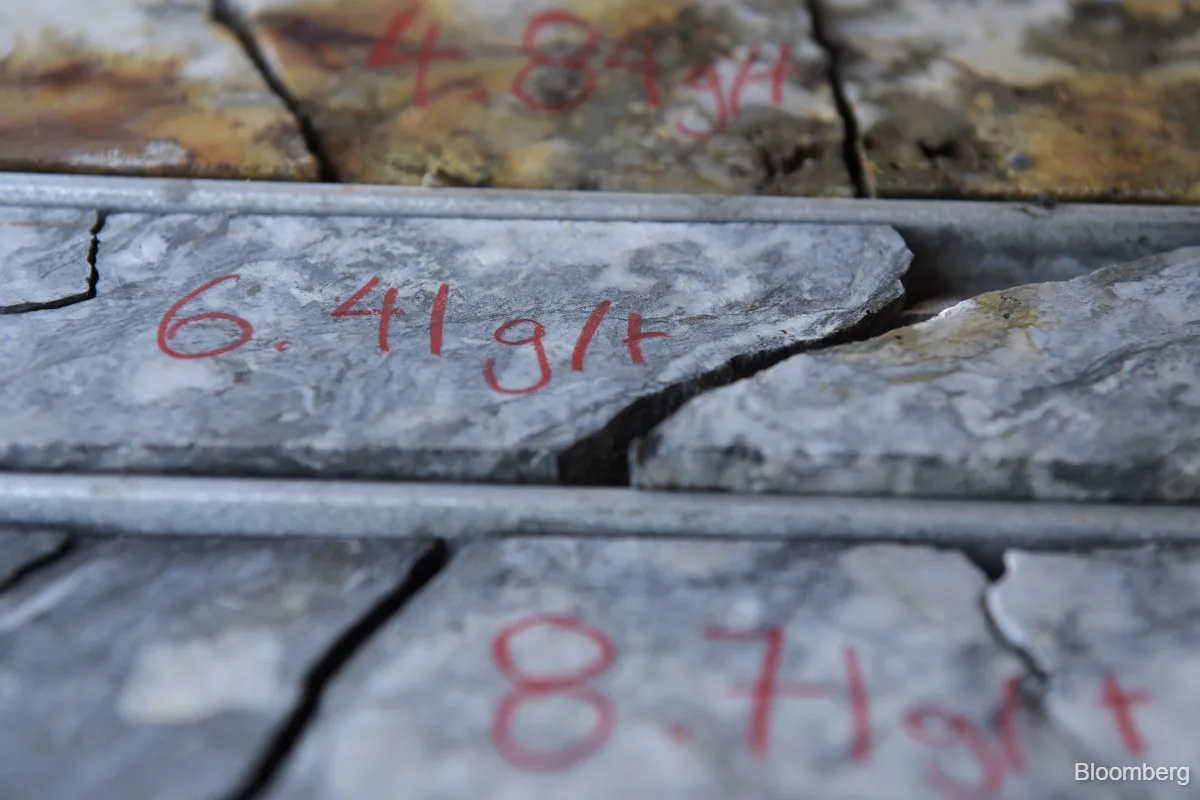
The largest shareholder among them, Vastness Investment Group based in Beijing, holds about 6-7% of Northern Minerals shares [1, 5, 6]. Northern Minerals is developing the Browns Range heavy rare earths project in Western Australia, which produces elements like dysprosium used in electric vehicle magnets and defense technologies [1, 2, 3, 6]. These critical minerals have drawn scrutiny from Western governments over concerns about supply chain security and China’s growing control over rare earths [2, 3, 6].
Australia previously took action in 2024, ordering five Chinese-related investors to divest Northern Minerals shares representing about 10.4% of shares [1, 2, 3, 7]. Authorities later discovered some investors had transferred shares to related Hong Kong companies, such as Ying Tak Ltd, to circumvent those orders [2, 3]. In April 2026, Treasurer Jim Chalmers imposed an interim restriction on Ying Tak Ltd, barring it from voting or selling shares at Northern Minerals’ annual meeting [2, 6, 7].
Chalmers said, "We operate a robust and non-discriminatory foreign investment framework, and will take further action if required to protect our national interest in relation to this matter" [2]. Northern Minerals said it is "currently reviewing the disposal orders issued by the government and will provide an update once completed" [6]. Shares of Northern Minerals fell up to 8% in Sydney trading following the divestment announcement [1, 2, 3].
Australia’s government has expressed concern about protecting critical mineral supply chains from Chinese control and potential export weaponization [1, 3, 6]. It continues to work closely with allies like the US to reduce reliance on China for key rare earths and critical minerals [8, 7].
The current divestment orders require the six investors to dispose of their shares by June 1, 2026, two weeks after the May 18 directive [1, 2]. This follows ongoing efforts to scrutinize foreign ownership in sensitive mineral projects that are vital for national security and clean energy technologies.