Australia’s wheat production in 2026 is forecast to decrease by as much as 10 million tons, a loss equivalent to about 5% of global wheat exports, driven by worsening drought and cost increases linked to the Iran war [1, 2, 3, 4].
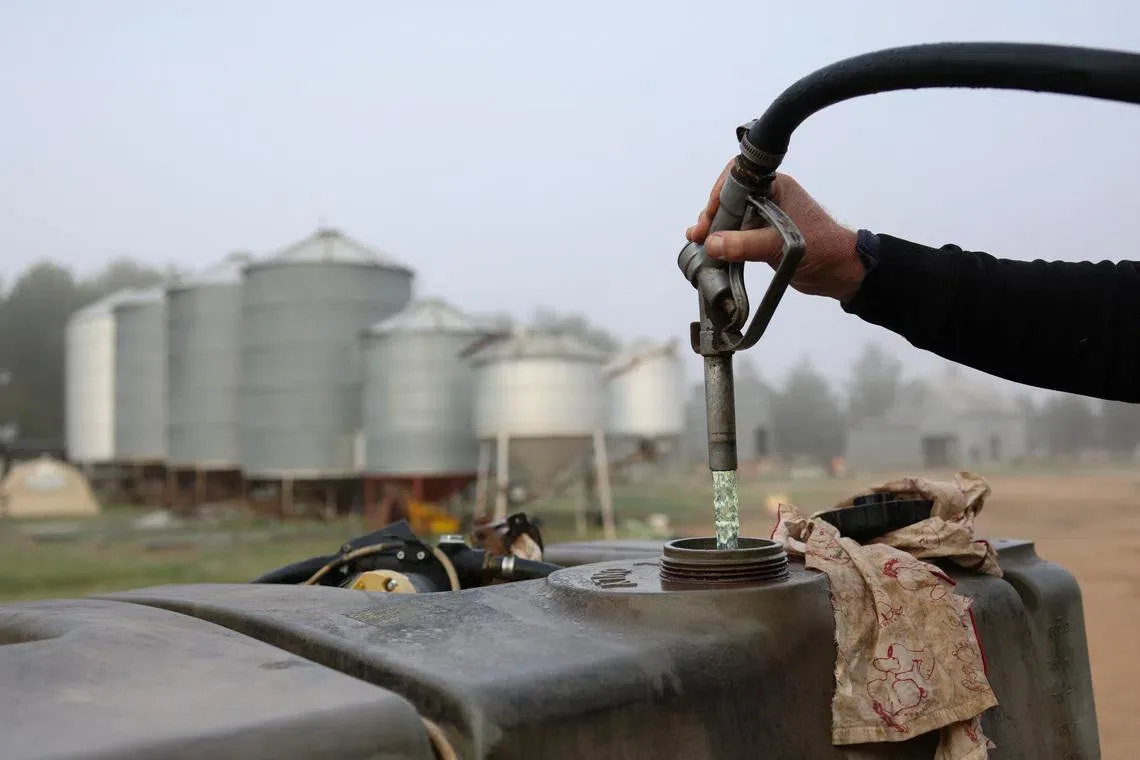
The conflict in Iran has disrupted supply chains, especially through closure of the Strait of Hormuz. This bottleneck has sharply raised prices for fuel and fertiliser. Australia imports over half of its urea fertiliser from the Middle East, and now faces a shortfall of about 600,000 tons — nearly 20% of annual demand [1, 2, 3, 4].
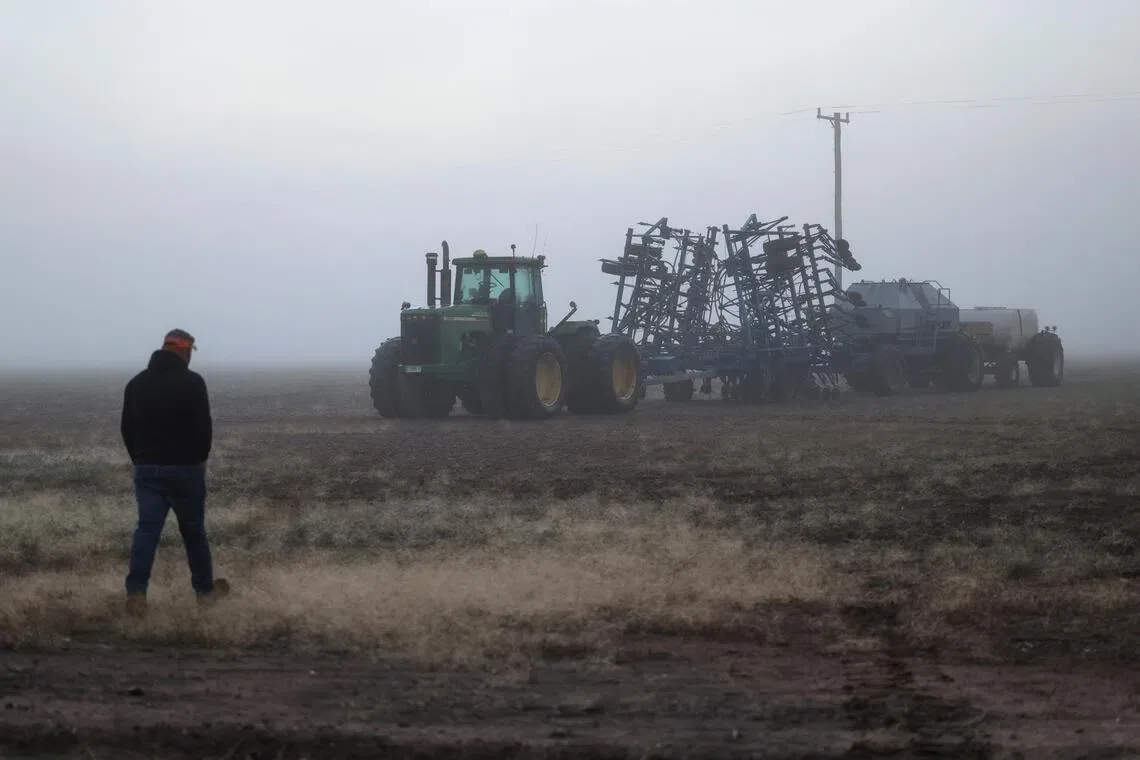
Farmers report planting between 20% and 50% less wheat this season. Justin Everitt, near Brocklesby, said, "Every indicator is pointing towards lower production." Fertiliser use has also fallen by roughly one-third due to costs and dry conditions [1, 2, 3]. Anthony Black near Corowa is among others cutting back acreage and inputs.
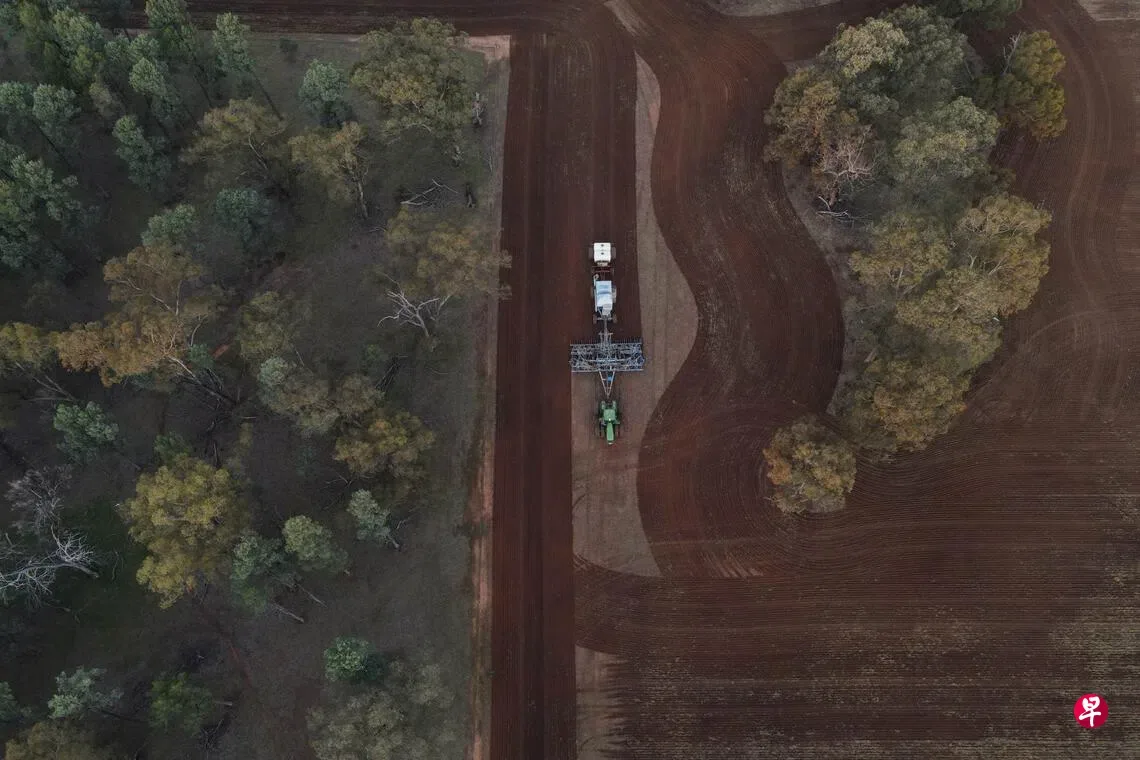
Analysts estimate the wheat planting area may shrink by 7% to 20% compared to 2025, potentially removing cultivated land close to the size of Belgium [1, 2, 4]. The 2026 harvest could decline 16% to 41%, falling from around 36 million tons in 2025 to as low as 21.3 million tons in worst-case scenarios [1, 2, 4].
Some farmers are switching to barley or canola, crops requiring less fertiliser or offering better prices. However, reducing fertiliser risks long-term soil nutrient depletion and could impact 2027 yields [1, 2, 3, 4].
The Australian Bureau of Meteorology forecasts below-median rainfall from June through September 2026 in key wheat regions, which may worsen drought conditions further [2]. Some analysts link the drought partly to El Nino, while others note drought without specifying the cause [1, 2, 3, 4].
The decline in Australia’s output, along with shortages in Argentina and Canada, could shift global wheat balance from surplus to shortage, likely pushing international food prices higher [2, 4].
Planting for the 2026 season began in May with substantially reduced acreage and input use due to price shocks and drought fears [1, 2, 3, 4]. Australia’s final harvest is expected by the end of 2026, with official estimates ranging between 21.3 million and 30.2 million tons [1, 2, 4].