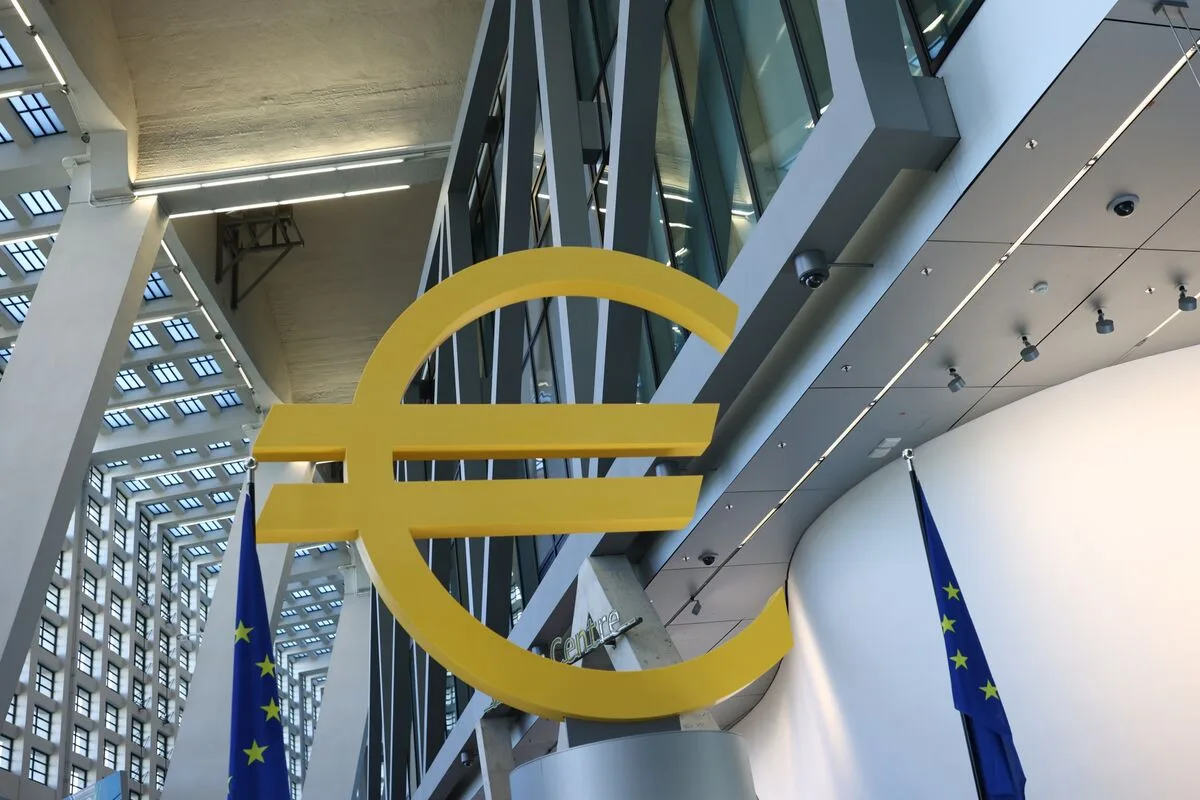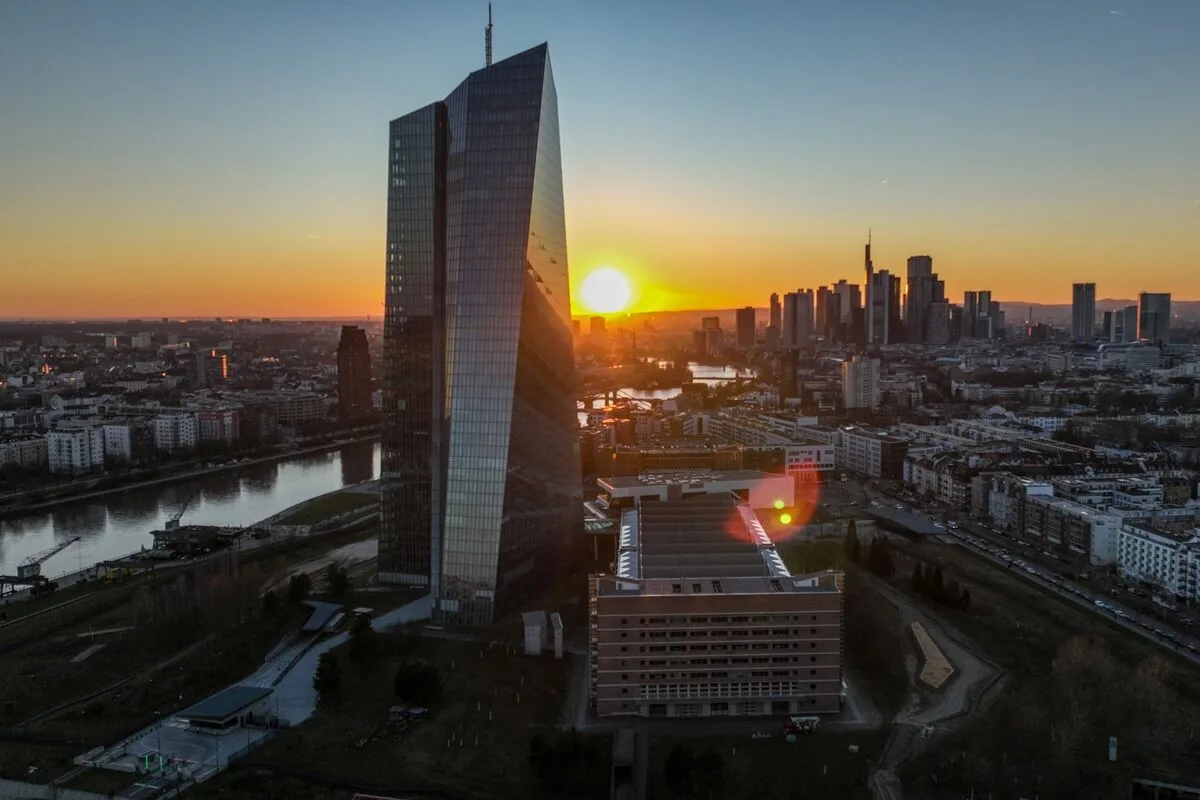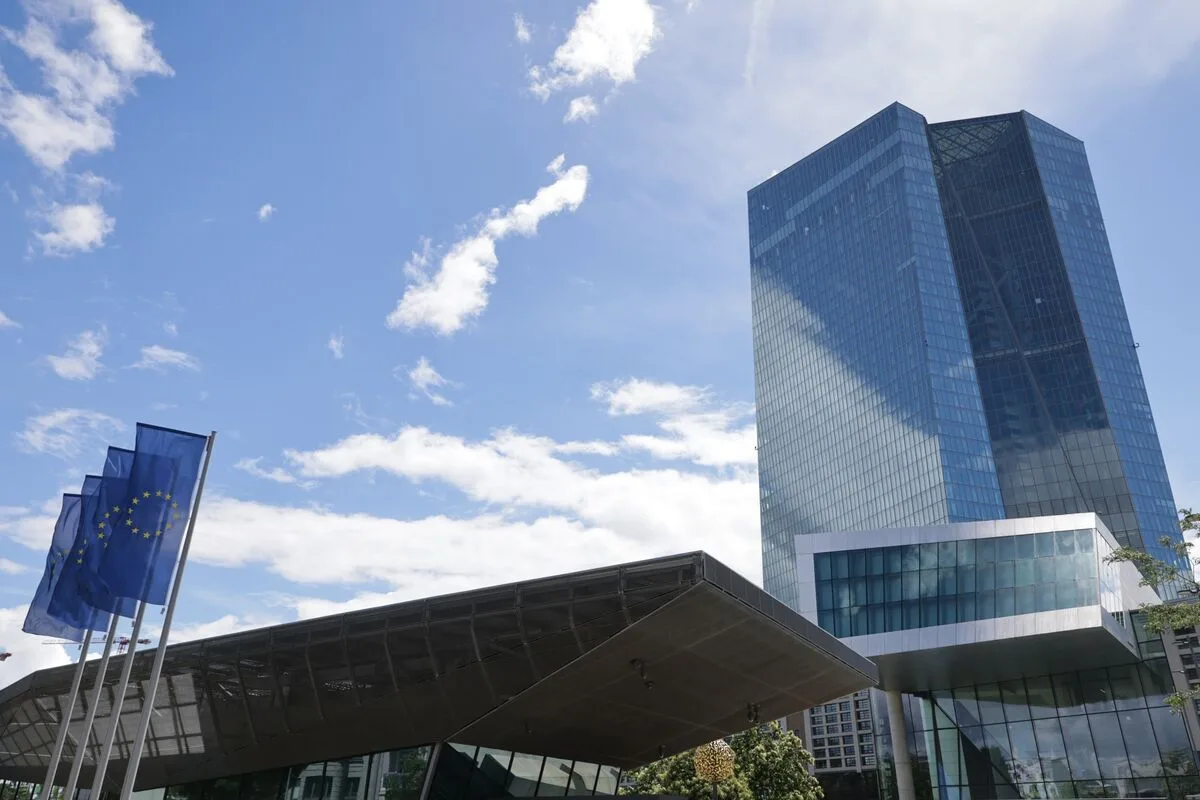
The European Central Bank (ECB) raised its main deposit interest rate by 0.25 percentage points from 2.0% to 2.25% on June 11, 2026. This is the ECB's first rate increase since September 2023, ending a long pause in monetary tightening [1, 2, 3].
The rate hike responds to rising inflation pressures driven by the war in Iran, which has pushed crude oil prices above $90 per barrel, well above the $70 level before the conflict began [1, 2, 3]. Eurozone consumer price inflation rose to 3.2% in May 2026, exceeding the ECB's 2% target and up from 3.0% in April [2, 3, 4]. ECB officials noted the inflation outlook remains uncertain, balancing upside price risks against downside risks to economic growth caused by the energy shock [3].
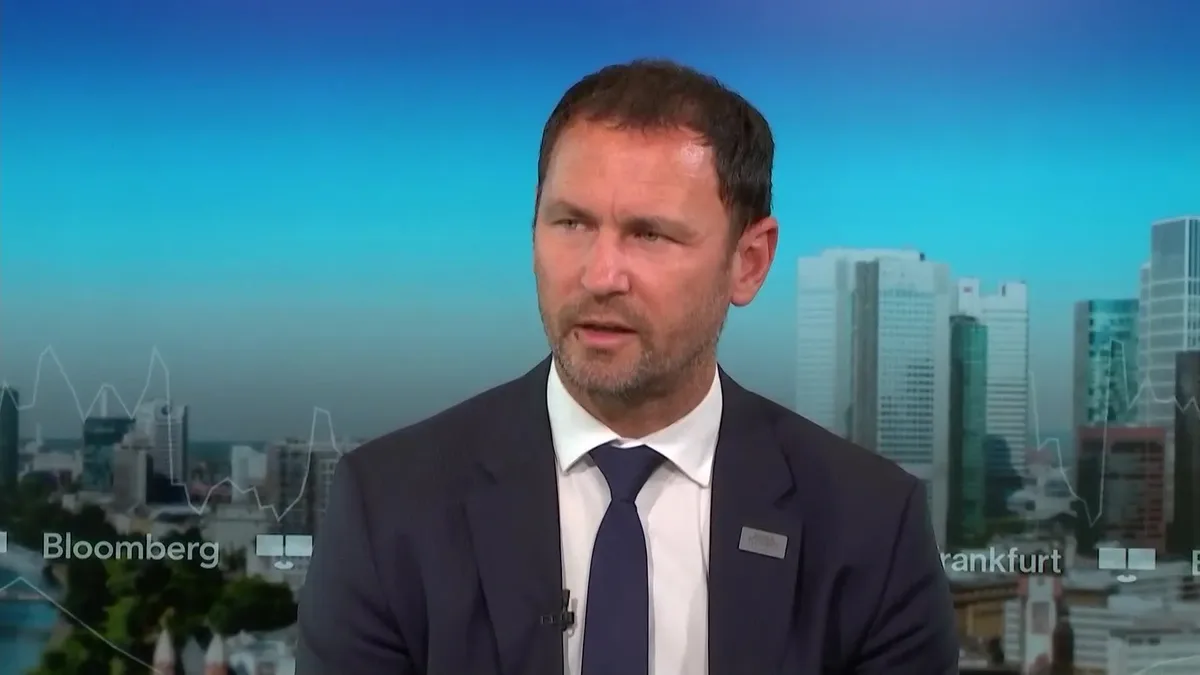
Slovenian Governing Council member Primož Dolenc called the June increase "just enough for now" but signaled vigilance to inflation risks that could require further hikes [5, 6]. Joachim Nagel, President of Germany's Bundesbank and ECB Governing Council member, said prices are likely to stay elevated even if the Iran war ends soon because of changed supply chains and added risk premiums. He emphasized that "the interest-rate step would be necessary even if the situation eased quickly" and affirmed a data-driven, meeting-by-meeting approach. He noted, "The Governing Council will be gathering for its next monetary-policy meeting in July. We are keeping all our options open and are ready to respond once again, should we have to" [7, 6, 4].
Financial markets expect around two more ECB rate hikes by spring 2027, though they differ on timing. Some ECB officials say a second rate increase could come as soon as the July 2026 meeting, while market pricing points to September 2026 as the next likely move [8, 2, 3, 6]. The International Monetary Fund also signaled the ECB will probably need further increases beyond June's to contain inflation [9, 6].
The conflict in Iran has also impacted policy in other regions. The Bank of Japan is expected to raise its benchmark interest rate by 0.25 percentage points to 1% on June 16, 2026, its first hike since 1995, citing inflation risks linked to the Iran war. The BOJ may raise rates again later this year but faces internal debate over bond purchase reductions for next fiscal year [10, 11].