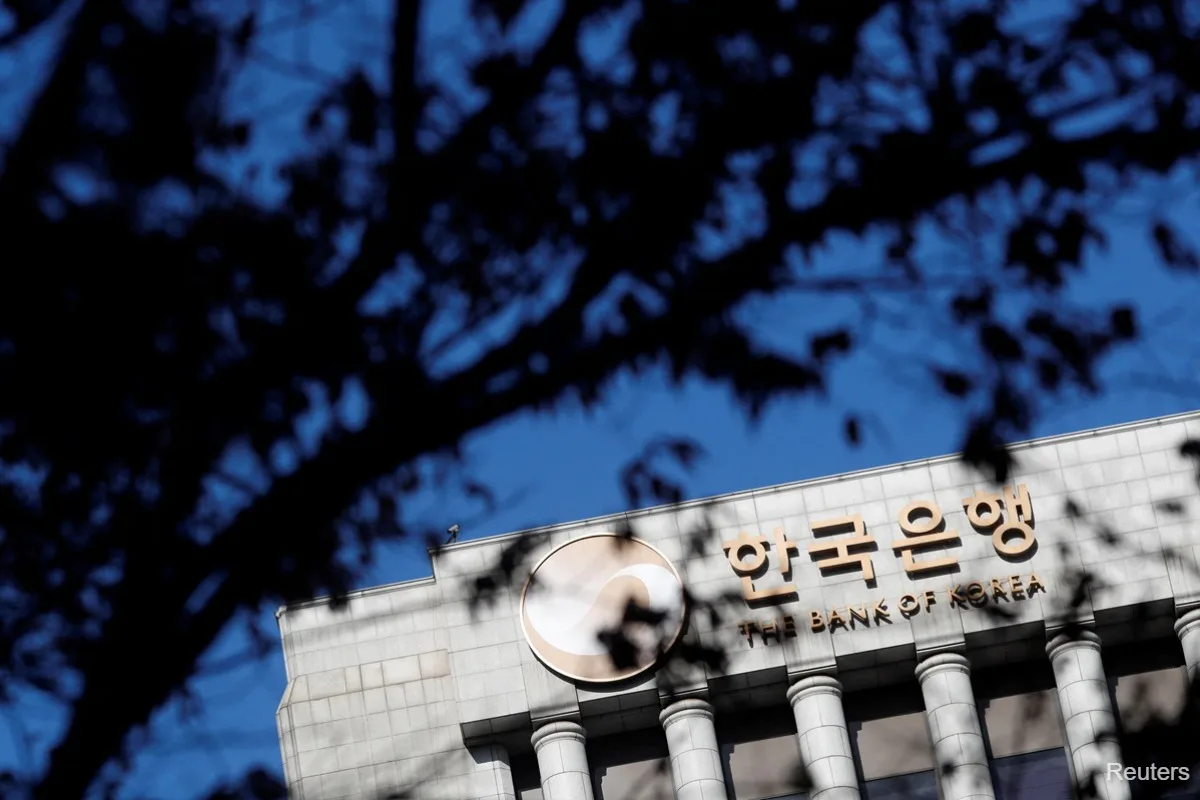
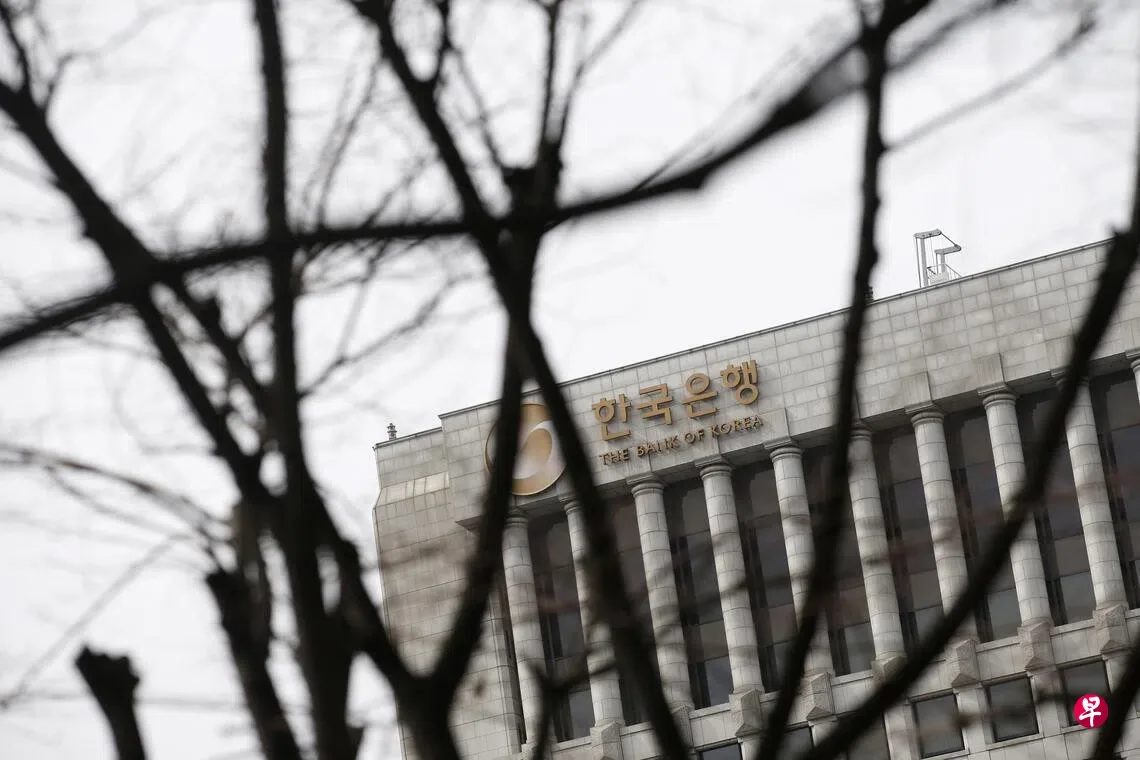
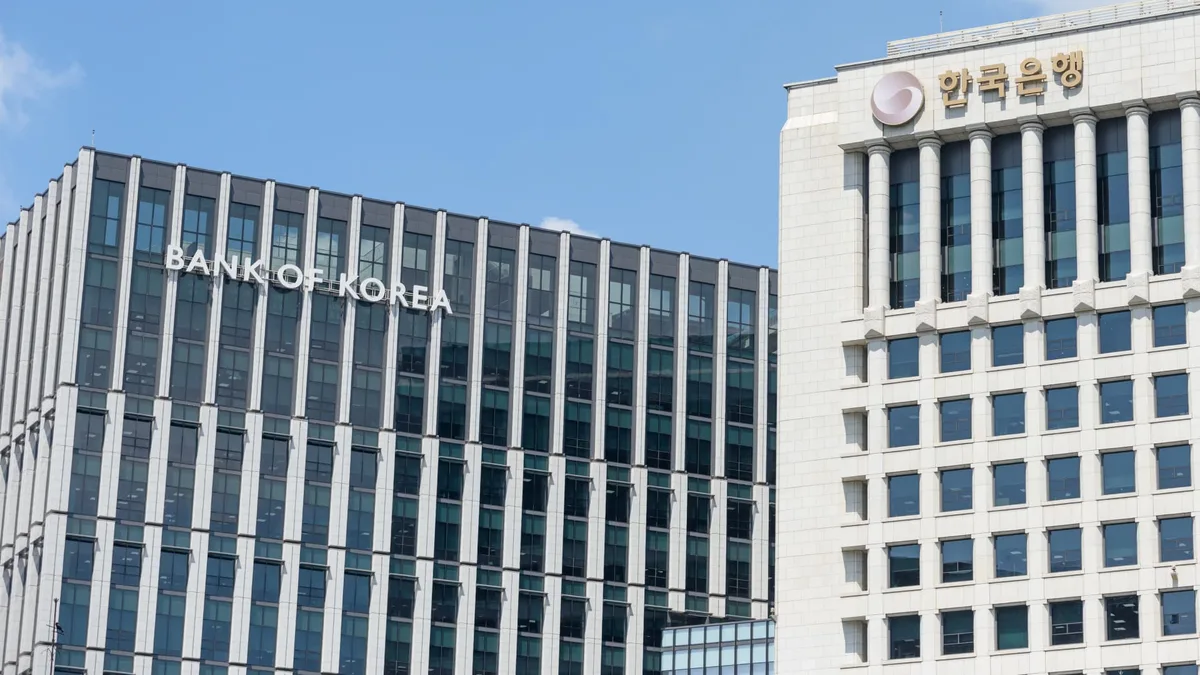
South Korea's central bank, the Bank of Korea (BOK), raised its benchmark seven-day repurchase rate by 25 basis points to 2.75% on July 16, 2026, marking the first rate hike since January 2023 [1, 2, 3]. The increase aims to curb persistent inflationary pressures, stabilize the weakening won currency, and address faster-than-expected economic growth [1, 3, 4].
The economy expanded at its fastest pace in nearly six years, with GDP rising 1.8% in the first quarter of 2026. This growth was driven by a strong semiconductor export sector and increased demand for AI-related chips [1, 2, 3]. The government has revised its 2026 growth forecast upward to about 3.0%, a five-year high, from an earlier 2.6% estimate [1, 3].
Headline inflation rose to 3.2% in June 2026, the highest in two and a half years, fueled in part by rising oil prices. Analysts note that second-round inflationary effects are still expected to appear [1, 4]. The won weakened about 3.4% against the U.S. dollar in 2026 prior to the rate hike but strengthened somewhat after the BOK’s move [1, 4, 5].
Governor Shin Hyun Song said the decision reflected "developments across all three areas – growth, inflation, and financial stability – supporting the need for an interest rate hike," adding that domestic demand-driven inflation pressures will likely rise as the semiconductor boom spills into the economy [6]. He warned that further increases may come, with the policy rate potentially rising to 3.00% by the end of 2026 and 3.25% in early 2027 [1, 3, 5].
Market reactions were muted on the won-dollar exchange rate but saw a 6.2% decline in the Kospi index, largely due to semiconductor stock volatility [6, 7, 8]. Economists widely anticipated the hike, with Stephen Lee of Meritz Securities noting the move was "well telegraphed" after the BOK signaled it in May [1]. KB Securities’ Lim Jae-kyun pointed out that elevated oil prices and slowing wage growth will be key factors moving forward, with the BOK unlikely to implement back-to-back hikes at the upcoming August meeting [2].
The BOK’s increase aligns it more closely with regional central banks such as the Bank of Japan, which recently raised rates to a 31-year high, and follows tightening by central banks in Australia, New Zealand, Indonesia, and the Philippines [1, 3, 5].
Looking ahead, the Bank of Korea will hold its next monetary policy decision meeting on August 27, 2026, when markets will watch for signals on potential additional rate hikes amid rates nearing multi-year highs [2, 9].