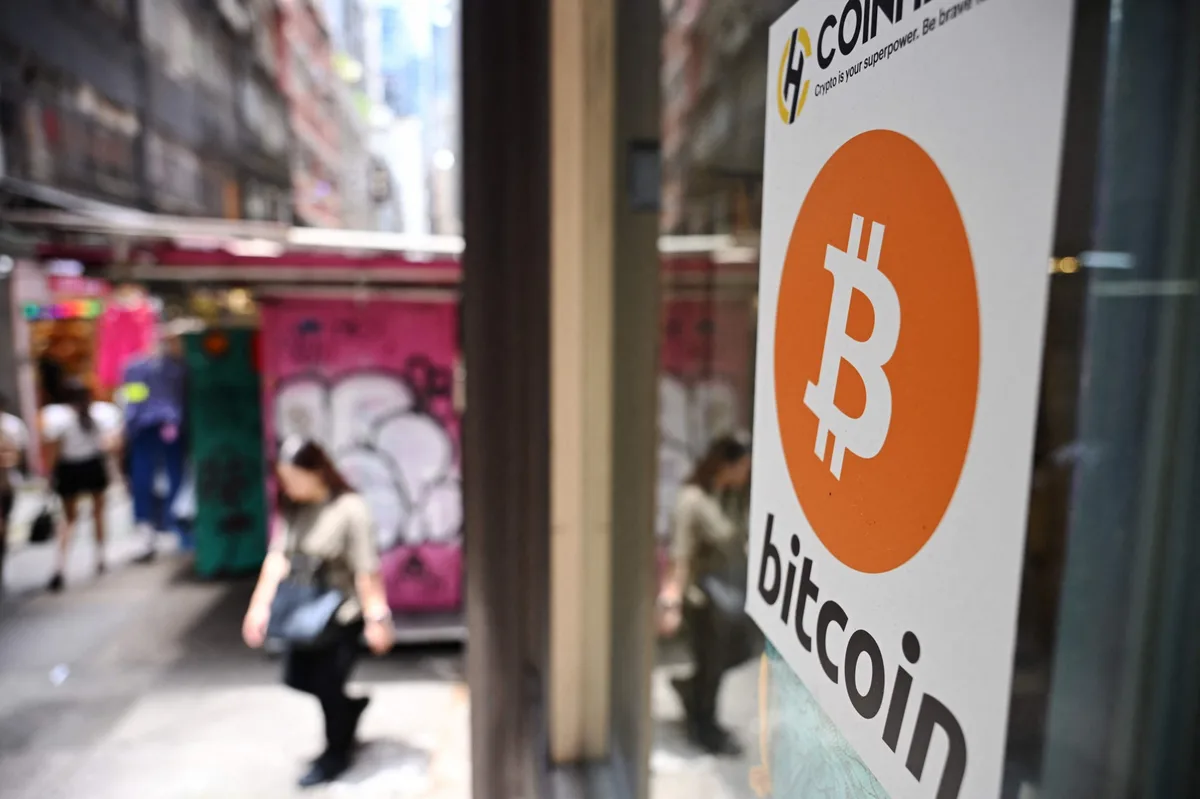
Bitcoin's price fell below the key $60,000 level on June 25, 2026, reaching about $59,023, the lowest since October 10, 2024, marking the third time it has fallen below this threshold in 2026 [1, 2, 3, 4, 5, 6]. The decline continued an extended bear market lasting around eight months [1, 2, 4].
The current bear market is driven by macroeconomic pressures including inflation linked to the Iran war, a strengthening US dollar, and expectations of Federal Reserve interest rate hikes [1, 2, 4, 6]. The US dollar index rose to a 13-month high in June 2026, partly boosted by US economic resilience and a temporary Iran-US agreement reopening the Strait of Hormuz [6].
Investor capital has shifted from Bitcoin and other cryptocurrencies into AI-related sectors such as AI stocks, semiconductor companies, IPOs, and prediction markets, weakening demand for crypto assets [1, 2, 3, 4]. Major cloud providers and semiconductor stocks tied to AI investments also saw steep single-day declines, adding pressure on the broader tech and crypto markets [3, 6].
Bitcoin exchange-traded funds (ETFs) have experienced net outflows totaling about $182 million in 2026 up to late June, marking the seventh consecutive week of outflows. Assets under management in Bitcoin ETFs shrank from roughly $113 billion at the end of 2025 to $77.5 billion mid-2026 [1, 2, 7, 4, 6]. Deutsche Bank analyst Marion Laboure said, "ETF allocation and corporate treasuries have become the main marginal buyers; when ETF funds flow out or corporate holders waver or funds shift to AI-related investments, price drops accelerate mechanically" [3].
MicroStrategy, a major corporate holder with 847,363 BTC, saw its stock price fall below $100 on June 23, then hover around $92 to $94 by June 25–26—the lowest since early 2024. Its Bitcoin holdings face an unrealized loss of about $10.6 billion [3, 7, 6]. Bitcoin mining stocks Marathon Digital and Riot Platforms also declined about 4-5% alongside Bitcoin [3].
A $10 billion notional value of Bitcoin options is scheduled to expire on June 26, increasing short-term volatility and downside risk. Adam Haeems, asset manager at Tesseract Group, said the concentration of volume and expiry dates means Friday’s price action could be skewed by early liquidity flows before normalizing after dealer hedging [3, 5].
Unlike past cycles led largely by retail buyers, the current Bitcoin market is dominated by institutions, ETFs, and corporate holders, causing faster price swings driven by fund flows and corporate decisions [3, 7, 4]. Sam Callahan of OranjeBTC noted, "The drawdown and volatility in this bear market remain milder than previous crypto winters. With greater institutional participation, the market is larger and more liquid, so extreme crashes like past halving collapses are less likely" [1].
Other cryptocurrencies such as Ethereum, Solana, and XRP have also fallen sharply amid the crypto downturn [7]. The CLARITY Act, a key US crypto regulation, must pass a critical legislative stage within about five weeks before Congress’s summer recess or face delay until autumn, adding uncertainty to the market [1, 2, 3, 4].