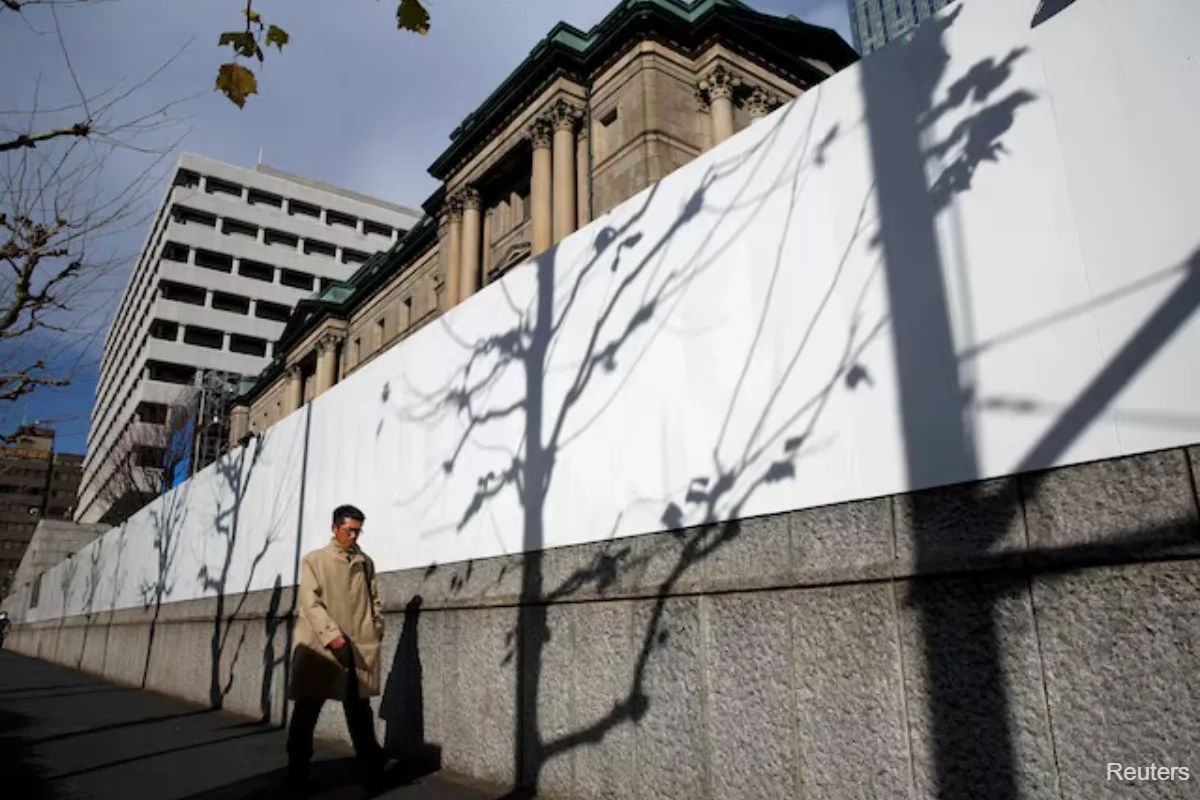
Bank of Japan board member Junko Koeda said the central bank should raise interest rates at an appropriate pace to address high inflation while weighing economic trade-offs. She made the remarks on May 21, 2026, during a speech to business leaders in Fukuoka city [1, 2, 3].
Koeda expressed concern that underlying inflation may exceed the BOJ's 2% target due to ongoing conflict in the Middle East. She stated, "Given the situation in the Middle East, I see some possibility that underlying inflation may exceed 2% looking ahead," and added, "I therefore believe it is reasonable for the Bank to raise the policy interest rate at an appropriate pace to address high inflation while also considering the trade-offs for the economy" [1, 2].
She cautioned that keeping real interest rates well below neutral levels risks resource misallocation and other side effects, signaling that prolonged ultra-low rates might harm economic balance [1].
Koeda was part of the Bank of Japan’s board majority that voted 6-3 to hold interest rates steady at the April 28 policy meeting [2]. Despite that decision, her comments support speculation of a rate hike at the next BOJ meeting scheduled for June 16, where market estimates place the probability of a hike at roughly 80% [2].
Economic data published recently showed Japan’s economy grew more than expected in the first quarter of 2026. Producer prices surged sharply in April, marking the biggest increase since 2014, which supports continued inflation momentum [2]. Meanwhile, concerns persist that fuel shortages and elevated energy prices linked to Middle East tensions could further boost inflation while slowing growth [2].
Koeda’s remarks underline the BOJ’s delicate task of balancing inflation control with economic stability as it considers the timing and pace of future rate moves. The central bank’s next policy meeting on June 16 will be closely watched for potential changes to its approach.