China's domestic airlines cut fuel surcharges for flights starting June 5, 2026. Flights up to 800 km now have an 80 yuan surcharge, down 10 yuan from previous rates. Flights over 800 km have a 150 yuan surcharge, a 20 yuan reduction from before [1, 2, 3, 4, 5, 6].
This marks the first cut to fuel surcharges in China after two large increases in April and May 2026. On April 5, surcharges rose to 60 yuan for flights 800 km or below and 120 yuan for longer routes. On May 16, they further increased to 90 yuan and 170 yuan respectively [1, 3, 6].
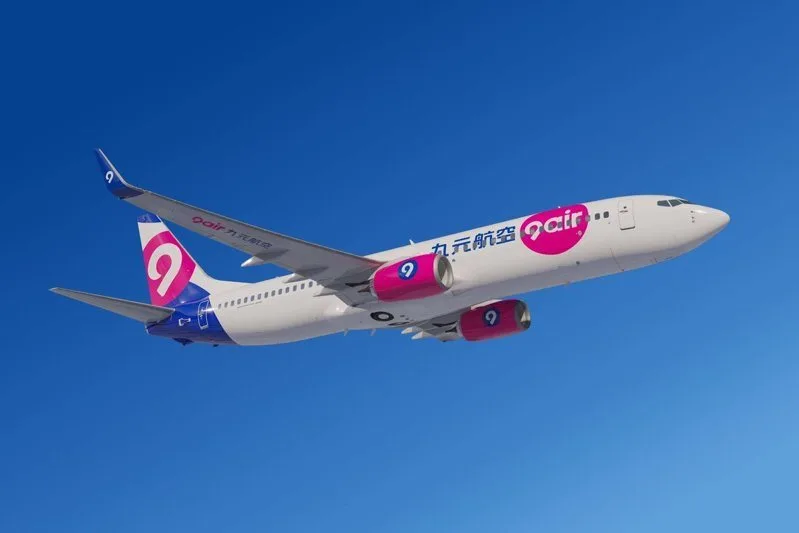
Chinese airline sources confirmed surcharges fluctuate with jet fuel prices. "Domestic route fuel surcharges are linked to aviation kerosene prices, and fluctuate accordingly," they said [1]. Nine Air confirmed the reductions, stating, "Starting June 5, the fuel surcharge for flights 800 km or below is 80 yuan, and above 800 km is 150 yuan, reduced by 10 and 20 yuan respectively" [3]. Babies are exempted from surcharges, while children and some veterans and police pay half the rate [3, 5].
In Taiwan, the Civil Aeronautics Administration announced that starting June 7, 2026, fuel surcharges for international flights will be lowered following a decline in jet fuel prices. Short-haul flight surcharges will fall from $45 to $35, and long-haul surcharges will drop from $117 to $91 [7, 8, 9, 10]. The administration stated, "Due to declines in aviation fuel prices, fuel surcharges on international flights will be lowered starting June 7" [7]. The pricing adjustments are based on a mechanism linked to jet fuel prices announced by CPC Corporation Taiwan [7, 9, 10].
Meanwhile, India’s airlines began cutting domestic flights from June 1 due to rising fuel costs and weak demand. Carriers including IndiGo and Air India Express reduced about 250 daily flights cumulatively, with reductions ranging from 5% to 22% of their schedules [11, 12].
China’s fuel surcharge cut took effect June 5, and Taiwan’s will start June 7, 2026.