China and the United States agreed on May 15 to continue implementing all prior trade agreements and to form councils dedicated to trade and investment following a two-day summit in Beijing between President Xi Jinping and President Donald Trump [1, 2, 3, 4].
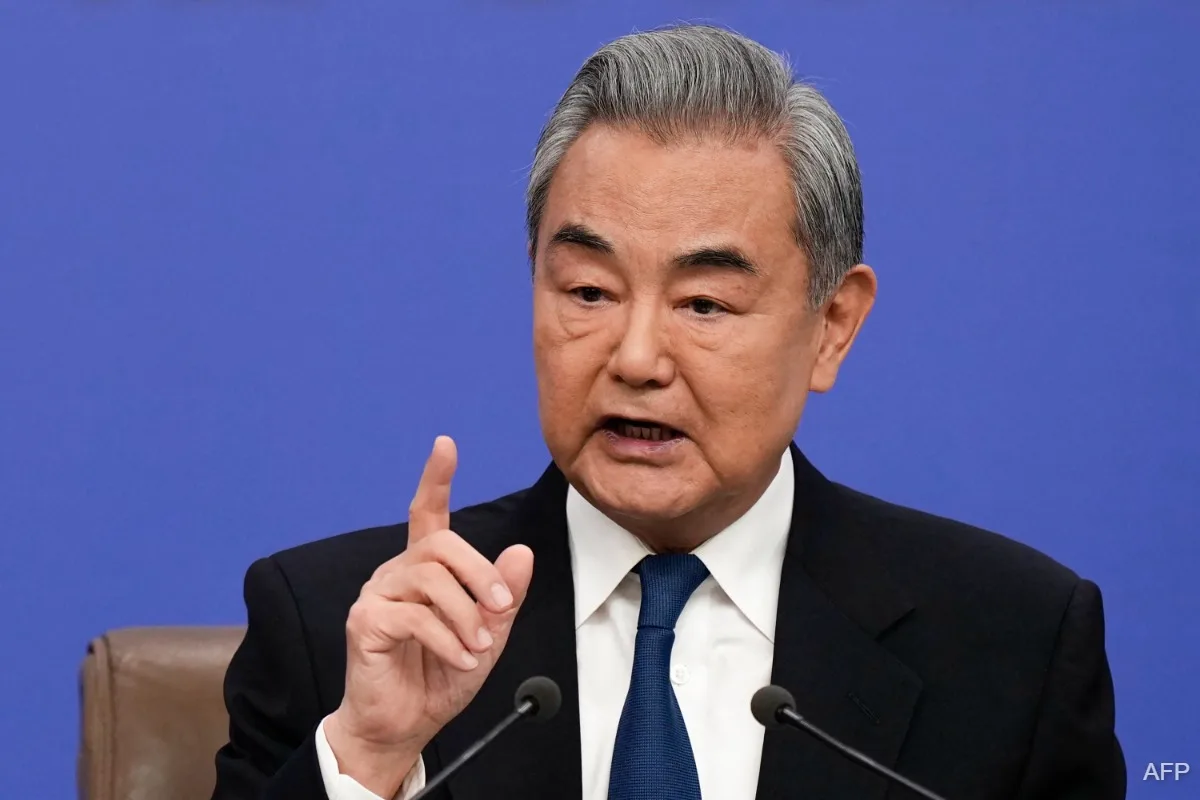
The leaders met for nearly nine hours of candid, in-depth and strategic talks over three days, Chinese Foreign Minister Wang Yi said, describing the discussions as constructive for future bilateral relations [4]. They agreed to define China-US ties as a "constructive, strategic and stable relationship" while expanding exchanges in diplomacy, security, trade, health, agriculture and culture [4].
The agreement builds on a trade truce that began in October 2025, which included tariff cuts on goods where duties had previously exceeded 100% [1, 2, 3]. Both countries committed to resolving market access concerns for agricultural products and to promote expanded two-way trade with reciprocal tariff reductions [1, 2, 3, 4].
US Treasury Secretary Scott Bessent said the countries are in talks to establish a bilateral "board of trade" and "board of investment" to support economic coordination [1, 2, 3]. Confirming the results, Wang Yi said, "The delegations of the two countries reached overall positive results, including continuing to implement all consensus reached in previous consultations (and) agreeing to establish a trade council and an investment council" [2].
Wang emphasized that complex disputes cannot be resolved by force and political engagement remains the only viable path forward [4]. After the summit, China urged the US and Iran to resolve their differences, including the nuclear issue, through diplomacy and called for the swift reopening of the Strait of Hormuz under a ceasefire [4].
President Trump invited Xi Jinping to visit the United States on September 24, 2026, reinforcing efforts to maintain steady bilateral ties [1, 2, 3, 4].
The timing marks a follow-up to the China-US trade truce, set to last one year from October 2025, during which both sides agreed to tariff reductions and enhanced economic dialogue [1, 2, 3].