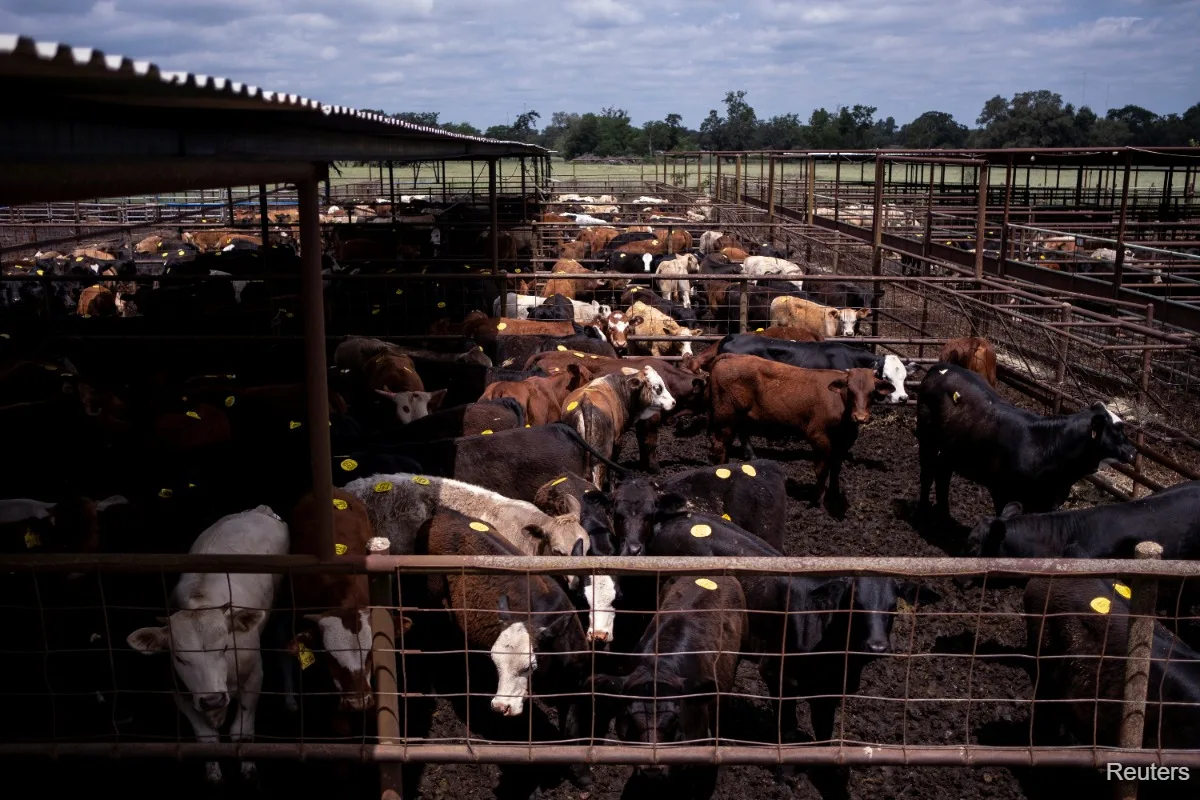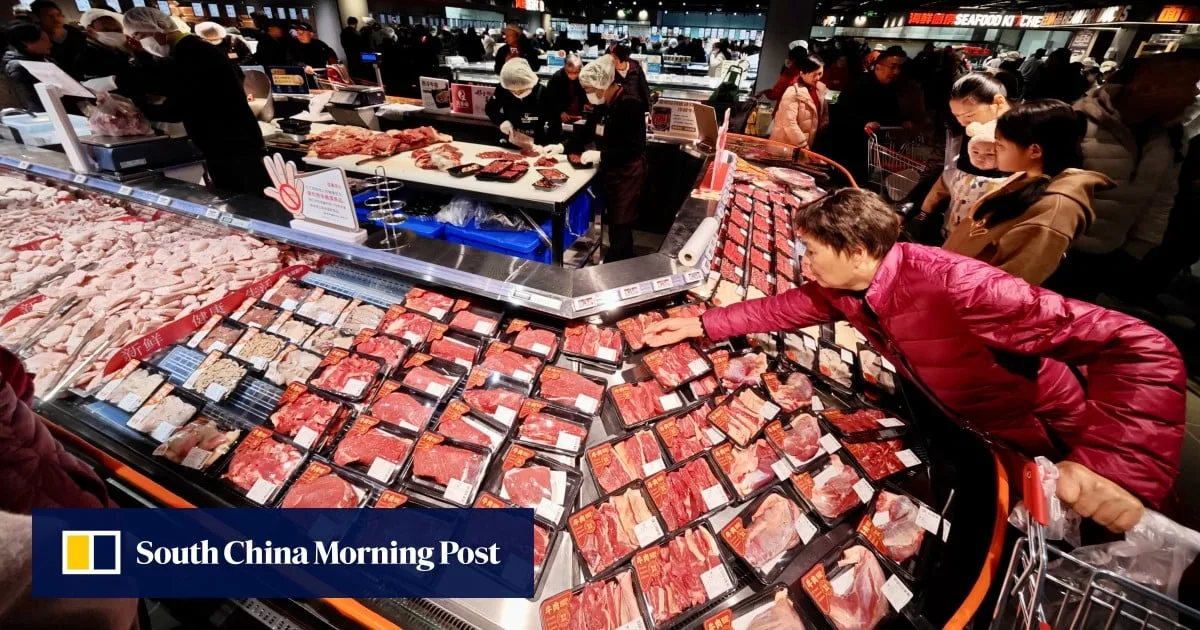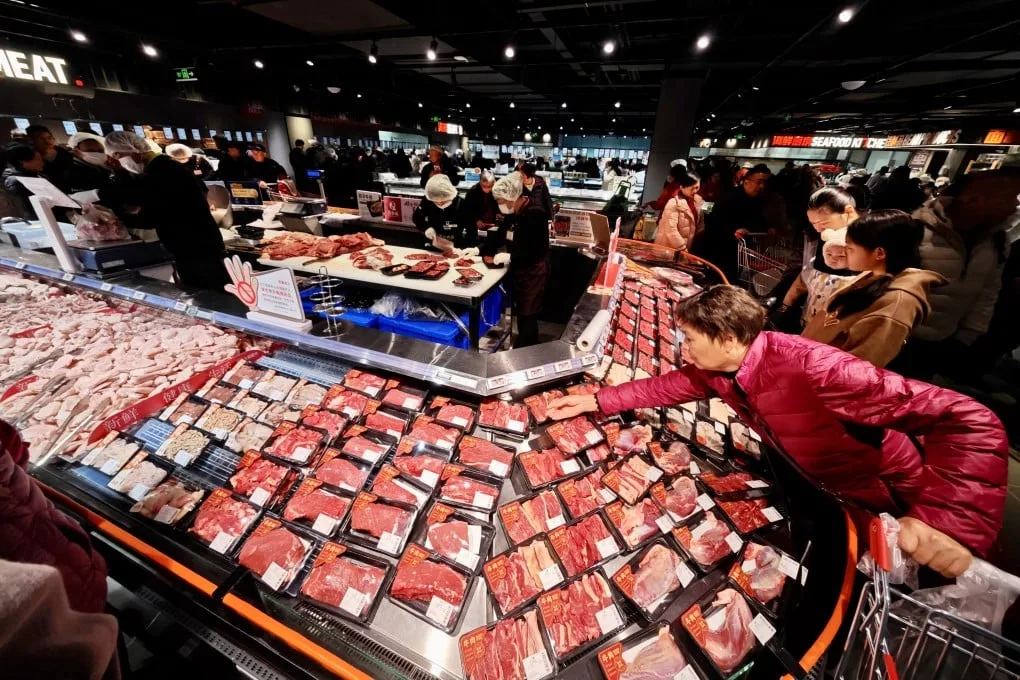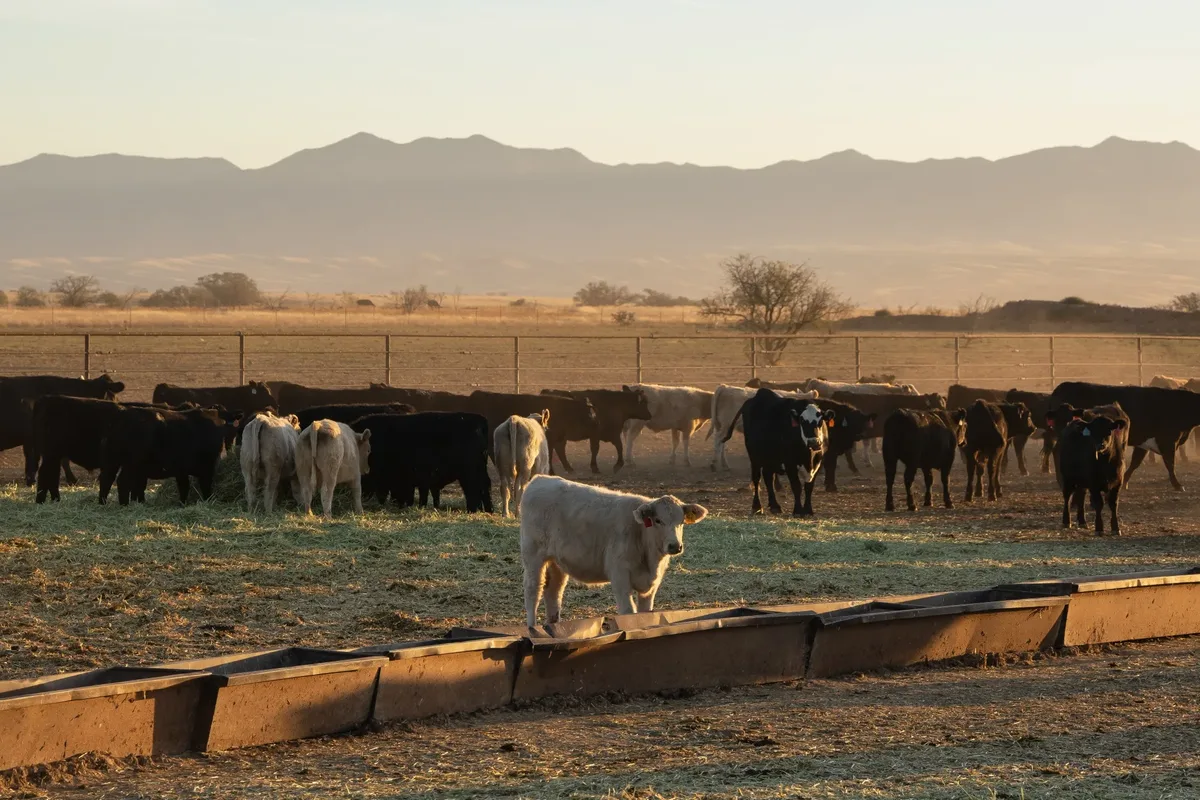
China renewed import licenses for hundreds of US beef plants on May 14, 2026, during the summit between President Xi Jinping and former US President Donald Trump in Beijing [1, 2, 3, 4]. The permits typically last five years [1, 2, 4] but had lapsed in 2025 amid escalating trade tensions between the US and China [2, 3, 4]. The lapse contributed to a 67% drop in US beef shipments to China between 2024 and 2025 [2, 4].
US beef exports to China fell from a peak of $1.7 billion in 2022 to about $500 million in 2025 [3]. China’s domestic meat industry faces oversupply and weakening consumption, causing Beijing to impose import quotas designed to protect local producers [2]. In 2026, China raised tariffs to 55% on beef imports exceeding country-specific quotas, up from the standard 12% tariff [4].
Brazil expressed concern that the renewed US beef permits could hinder Brazilian exporters’ competitive position in China’s market [4]. Xu Hongzhi, senior analyst at Beijing Orient Agribusiness Consultants, said, "One thing is certain: this matter is a card that China is playing in bilateral trade negotiations — it's very effective for sending signals, while the actual risk remains completely manageable. That's why we are seeing such dramatic shifts" [3].
Conflicting reports emerged on the immediate status of the permits after renewal. Some sources say the licenses became valid starting May 14, 2026 [1, 2, 4], while others report Chinese customs halted export clearances hours after showing permits as renewed and reverted status to "expired" [3].
Renewing the permits may pave the way for US beef to regain a larger share of China’s market [2]. The new permits are expected to remain valid for up to five years unless trade relations change again [1, 2, 4].