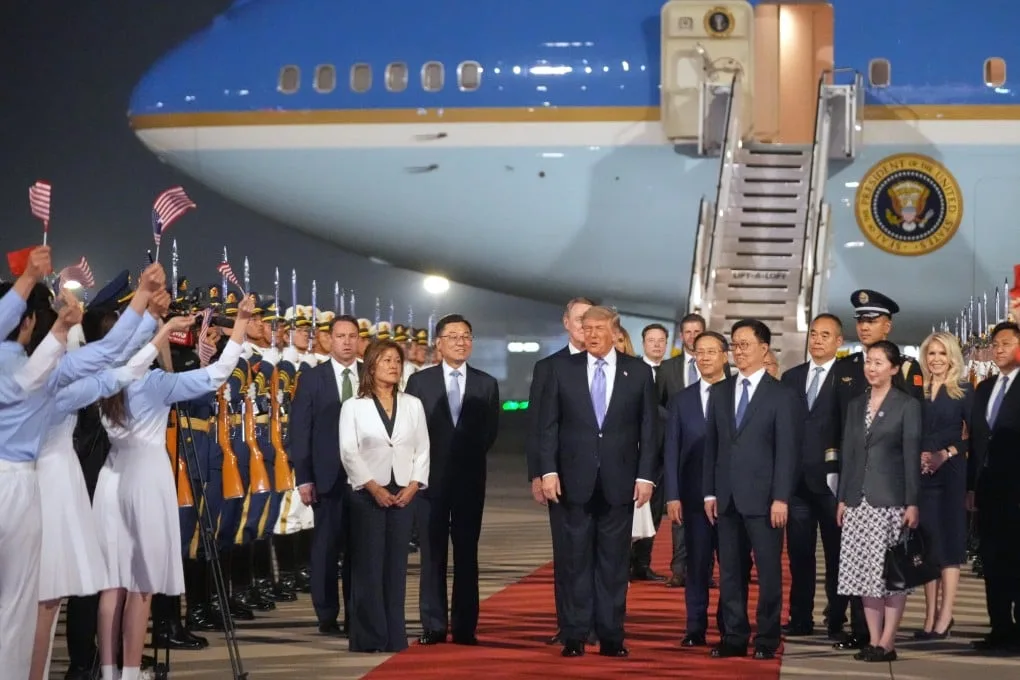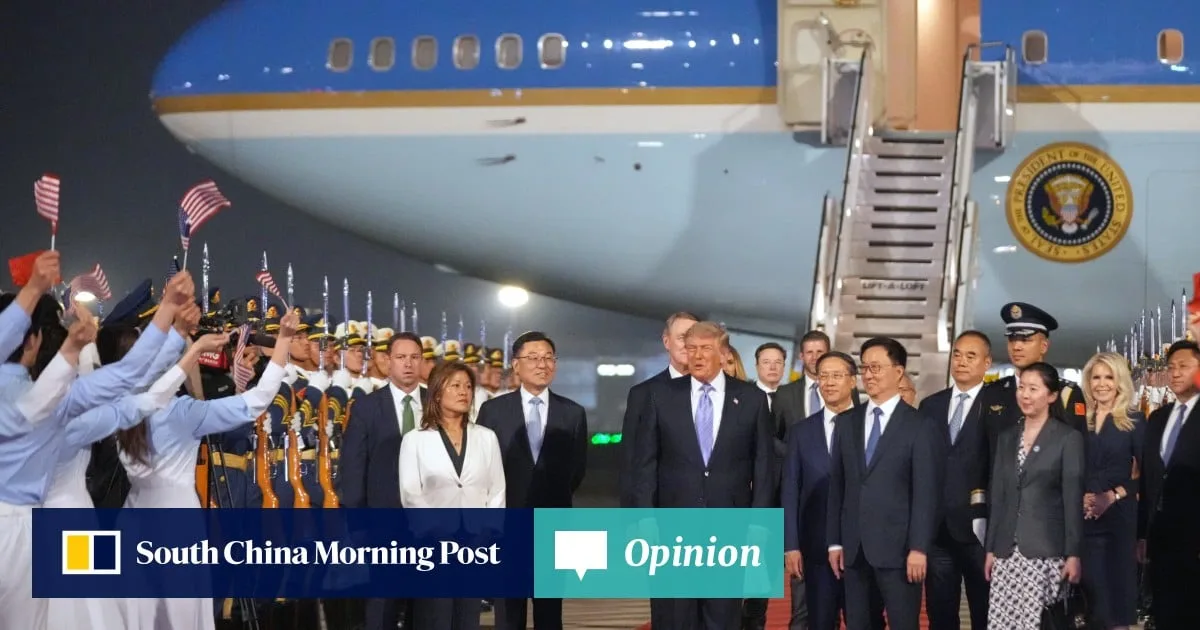
China's Commerce Ministry confirmed on May 20 it agreed to buy 200 Boeing aircraft, including engines and spare parts, renewing a key aerospace contract between the two countries [1]. This is the largest publicly confirmed Boeing order from China since a 2017 deal for 300 planes [2, 1].
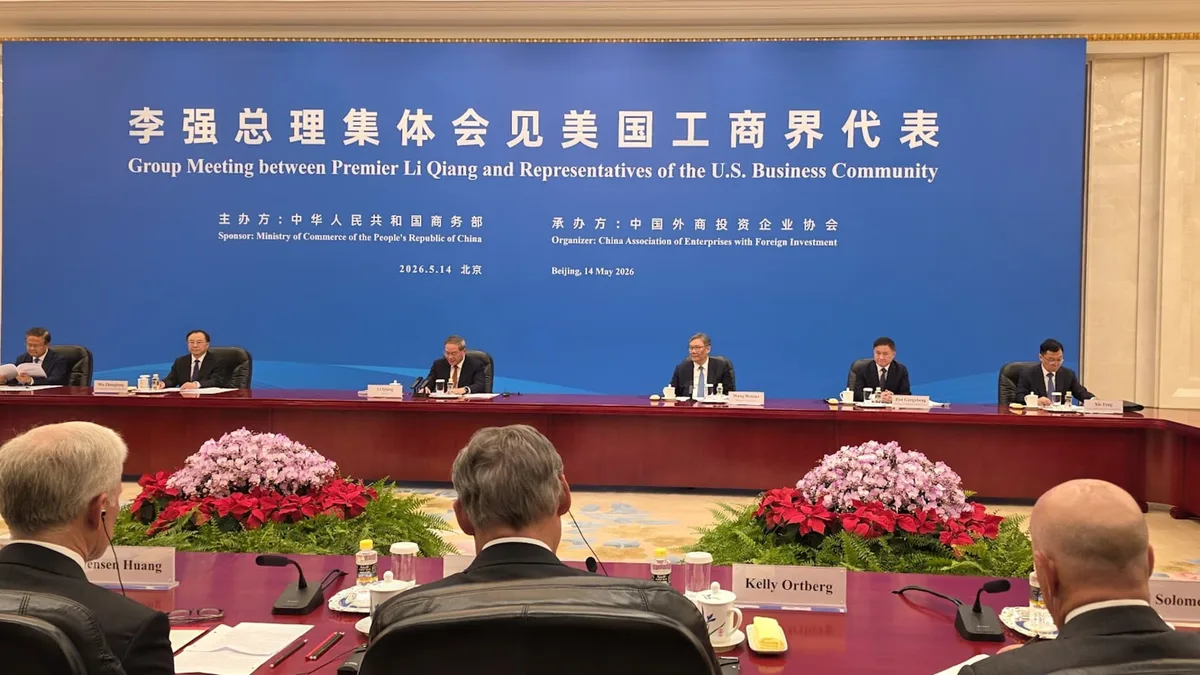
Boeing CEO Kelly Ortberg led a US delegation to China in early May, meeting with Chinese civil aviation regulators in Beijing shortly before the announcement [2, 1]. Officials from China's Commerce Ministry described growing aviation cooperation between the US and China as "key" to expanding commercial ties [1].
China's domestic aircraft maker, Comac, continues to develop its C919 narrowbody jet but remains years behind Boeing and Airbus in production scale and service networks [2]. US export controls on critical components, including engines for the C919, have reinforced China's push to reduce dependence on foreign aerospace technology [2].
Rising passenger air travel in China is driving demand for hundreds of additional narrowbody jets over the next decade, according to industry sources [2]. Analysts see Boeing’s ability to secure this 200-aircraft order as meeting urgent capacity needs amid the fastest growth market globally.
A Boeing order of this magnitude underscores the continued reliance of China's airlines on established western aircraft suppliers amid ongoing efforts to build local manufacturing capacity [2, 1]. While there is some discrepancy between sources on the exact number—some emphasize symbolic value rather than confirmed quantities—the Chinese Commerce Ministry stands by the 200-plane figure [2, 1].
The order includes engines and spare parts, ensuring comprehensive support beyond just airframe deliveries [1]. It comes almost nine years after China's last large Boeing purchase, signifying a resumption of large-scale procurement.
China's expanding aviation infrastructure and growing middle class are expected to sustain demand for new aircraft well into the 2030s. Boeing and Chinese regulators have scheduled follow-up meetings to finalize delivery timelines and certification processes in the coming months [2, 1].