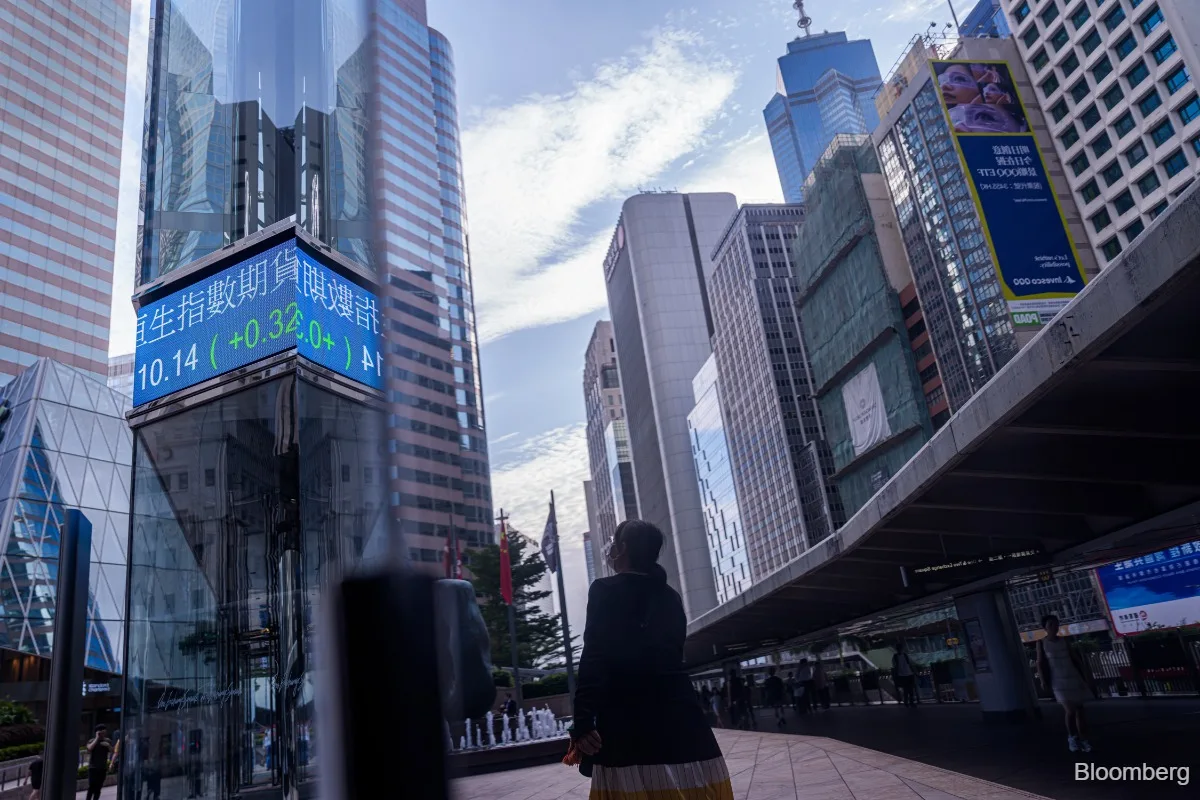
Chinese regulators announced on May 22 a crackdown on illegal cross-border stock trading that may affect as much as HK$250 billion (around US$32 billion) of assets held in Hong Kong [1, 2, 3, 4]. The enforcement targets brokerages operating on the mainland without licenses and demands confiscation of so-called "illegal gains" [1, 2, 3, 4].
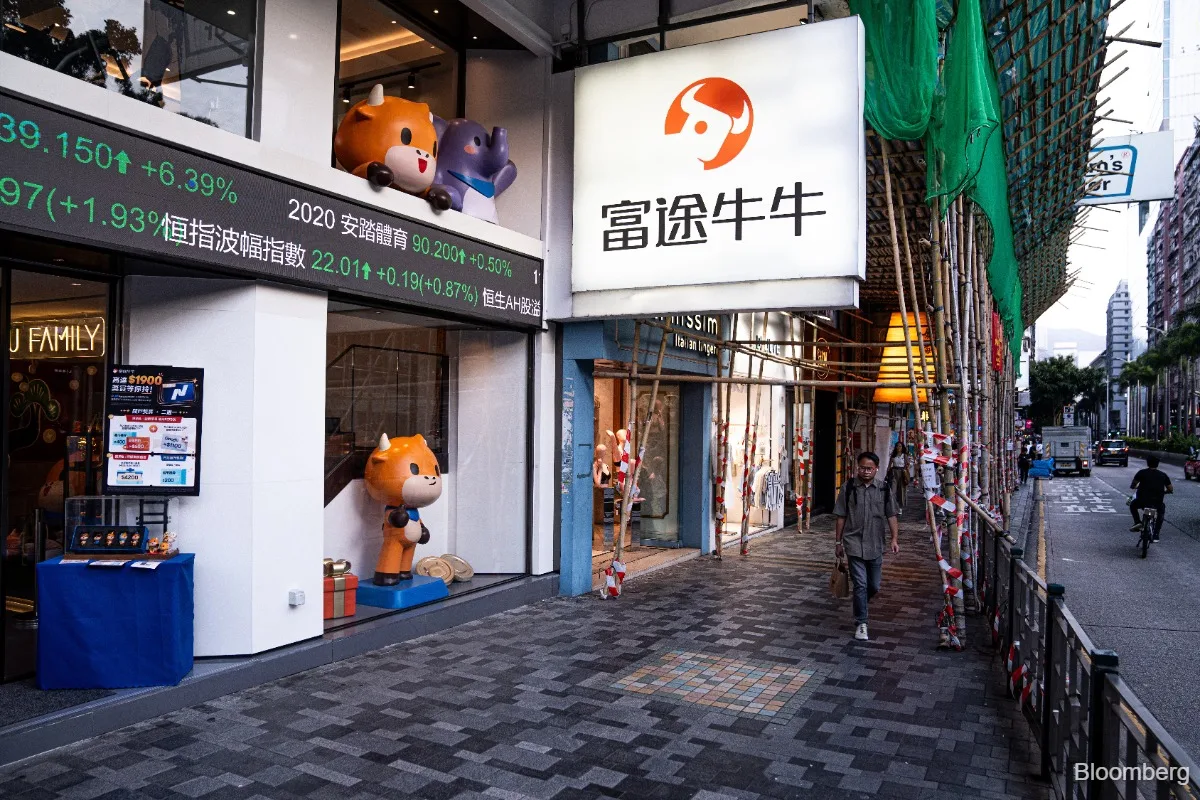
Futu Holdings Ltd accounts for the largest share, with estimated assets affected between HK$150 billion and HK$180 billion, according to Citic Securities [1, 2, 3, 4]. Tiger Brokers represents another HK$45 billion to HK$50 billion of affected assets [1, 2, 3, 4]. Long Bridge Securities Ltd is also among the brokerages caught in the crackdown [1, 2, 3, 4].
Beijing described the measures as its most aggressive to date against unauthorized cross-border trading outside approved channels [1, 2, 4]. Under a two-year transition process, current investors will be allowed to sell off assets and withdraw funds but will be barred from making new purchases or deposits [1, 2, 3, 4].
Citic Securities called the short-term market impact "manageable." Tian Liang, its chief financial analyst, said, "The short-term impact of the new rules on the Hong Kong market is manageable." The firm expects any selling of assets to take place gradually over the two-year period [1, 4, 3]. Morgan Stanley also stated the crackdown removes a major regulatory overhang with only a manageable financial impact [1, 2, 4].
The crackdown heavily hit Futu Holdings’ founder and CEO, Leaf Li, whose net worth fell by US$1.7 billion on May 25, dropping his estimated value to US$4.7 billion [5, 6]. On the same day, Futu's shares plunged 28%, marking its biggest single-day drop in more than three years [5]. Li’s fortune, mainly derived from his stake in the US-listed Futu, has halved since October 2025 [5, 6].
The crackdown aims to curb illegal cross-border trading at a scale affecting over HK$250 billion in Hong Kong assets. Investors and brokerages affected have until the end of the two-year transition period to sell their holdings and wind down business activities subject to the new regulatory framework [1, 2, 3, 4].