China is enforcing stricter controls on overseas stock trading to limit capital outflows amid growing mainland investor demand, officials said [1, 2]. The crackdown comes after an estimated US$1 trillion of unauthorized money left China last year, triggering regulatory actions [1, 2].
Individuals face a US$50,000 annual cap on US dollar purchases, a limit primarily aimed at non-investment uses such as travel and education spending [1, 2]. Mainland investors can only invest overseas through government-approved channels. These include Southbound Stock Connect, Wealth Connect, the Qualified Domestic Institutional Investor programme, the Mainland-Hong Kong Mutual Recognition of Funds scheme, and cross-border total return swaps [1, 2].
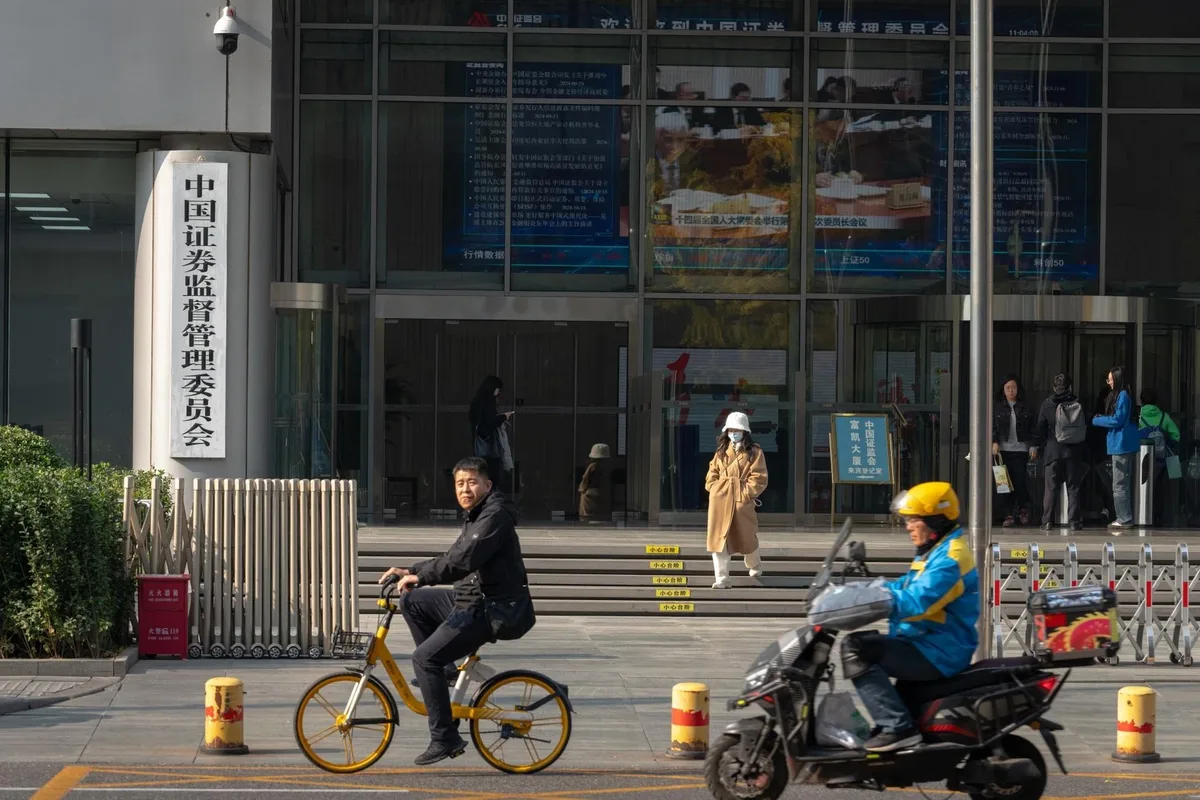
Any overseas trading without approval from the China Securities Regulatory Commission and other regulators is illegal and targeted by the crackdown [1, 2]. Since 2022, unauthorized overseas brokers have been banned from helping mainland investors open new trading accounts [1, 2].
On May 22, eight Chinese government agencies launched a joint enforcement campaign to target illegal overseas stock trading. The campaign threatened severe penalties for brokers violating the rules and barred them from engaging with onshore clients [1, 2].
These regulatory measures aim to reinforce capital controls and prevent illegal outflows. The next key step will be monitoring enforcement actions and compliance as the campaign progresses after the May 22 launch.