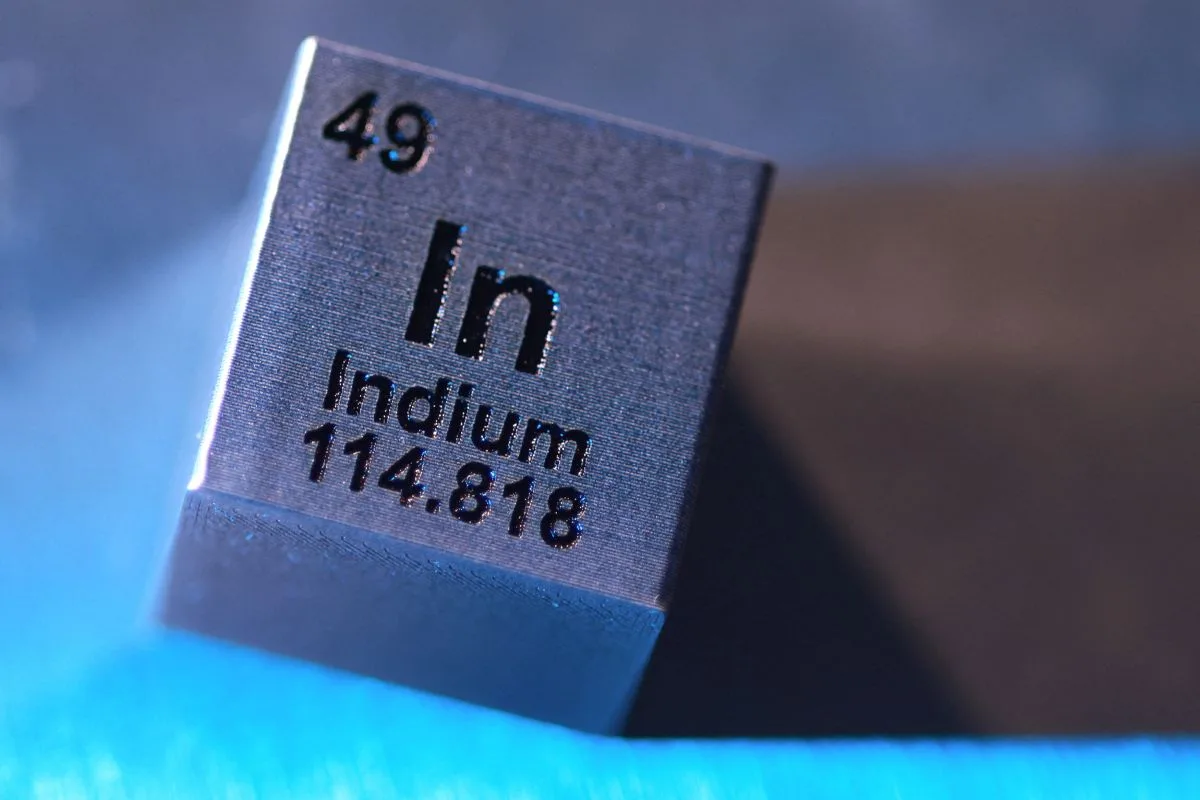
China produces nearly 70% of the world’s indium, a metal derived as a byproduct of zinc refining used in displays and solder, and critical for indium phosphide, a material for high-speed optical chips in AI data centers [1, 2, 3]. In February 2025, China added indium phosphide to its export control list, mandating government approval for its export [1, 2, 3].
Since June 2026, Chinese customs officials have intensified export scrutiny of indium. Buyers report longer approval times and additional demands to disclose end-user information, including geographic location [1, 2, 3]. A European buyer was asked for the first time to provide detailed end-user data [1, 2, 3].
A major North American buyer described the customs process as "tense," noting approvals that once happened the same day now take several days due to stringent paperwork checks [2]. The buyer also expressed concern these increased reporting requirements could be "a precursor to restrictions or outright bans on exports" [2]. Despite these changes, no shipments of indium have been blocked so far [1, 2, 3]. Some buyers have not yet encountered increased scrutiny despite reports of tighter controls [1, 2, 3].
The U.S. considers indium supply chain security critical and plans to stockpile up to 403 tons over three years via its Defense Logistics Agency [1, 2, 3]. The issue gained attention in May 2026 when the CEO of laser technology firm Coherent raised indium export concerns in Beijing during a visit by then-U.S. President Trump [1, 2].
The recent customs procedures reflect China's heightened vigilance over indium exports as AI and high-speed data applications grow increasingly reliant on materials like indium phosphide. Buyers and governments continue watching for further export policy updates.