The China Securities Regulatory Commission (CSRC) announced on June 6 plans for a three-year action plan and a "1+N+X" framework to implement new State Council guidelines aimed at emphasizing sustainable long-term returns for private funds [1].
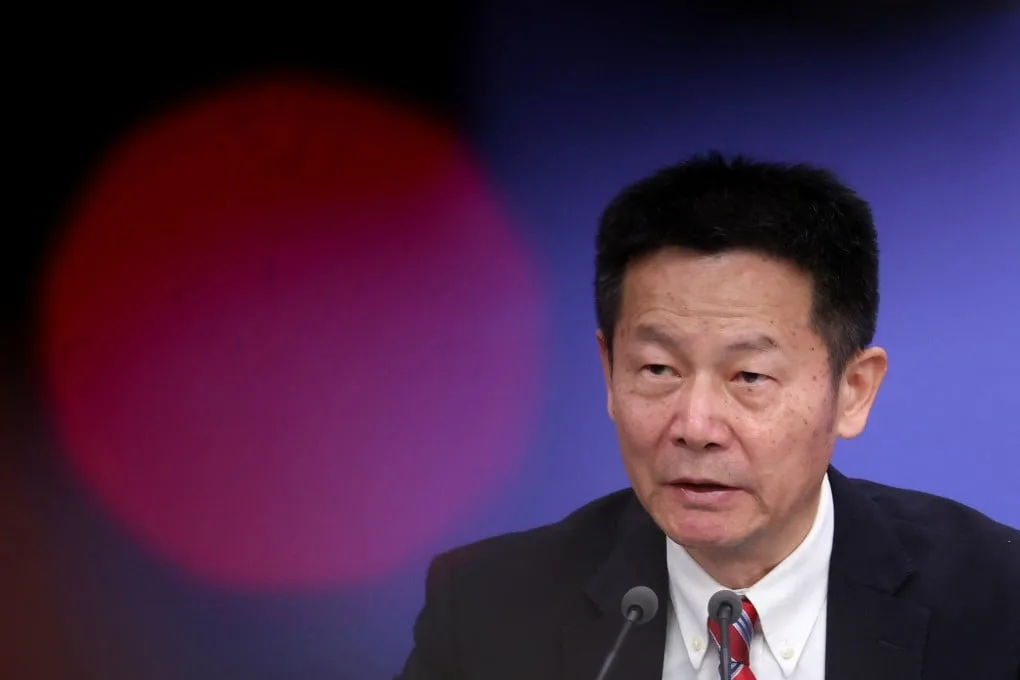
CSRC Chairman Wu Qing outlined measures to enhance regulation of programme trading, which he described as an important trading method used by hedge funds, institutional investors, mutual funds, and some individual investors in China and globally [2]. He said, "We have to explore in-depth how to enhance regulation of programme trading to create a fair and well-regulated market. We have to prevent someone from abusing the technology to conduct any malpractice, as we are determined to crack down on market manipulation and other behaviour that might disrupt market order" [2].
Programme trading has become more prevalent across China's financial markets, prompting regulators to crack down on abuses. Wu emphasized the need for deepened oversight to maintain market integrity amid rising use of automated trading technologies [2].
China's mutual fund market is still developing compared to more mature markets. Stock funds currently comprise about 30% of the domestic mutual fund sector, a relatively low share [2].
The three-year plan and regulatory framework aim to align private fund management with the State Council's guidance toward boosting long-term, sustainable investment returns for investors [1]. The CSRC's approach combines new policies, enhanced supervision mechanisms, and targeted action against malpractice.
CSRC officials will begin implementing the proposed reforms this year, with expected ongoing policy updates and enforcement initiatives to accompany the three-year timeline set in 2026 [1].