China’s passenger vehicle sales dropped roughly 22% year-on-year in May 2026, continuing a decline that has lasted eight months, with about 1.5 million units sold last month [1, 2]. The China Passenger Car Association (CPCA) cut its full-year 2026 sales forecast sharply to an 11% decline, down from an earlier estimate of just a 1% drop [1, 2].
The slump mainly results from a steep fall in gasoline and internal combustion engine vehicle sales. CPCA General Secretary Cui Dongshu said, "China’s auto market downturn is mainly driven by the sharp drop in fuel-powered vehicle sales under the pressure of high oil prices, which has weighed heavily on the industry’s performance” [2]. Rising oil prices linked to the Middle East crisis have hit demand hard.
Electric vehicle (EV) and plug-in hybrid sales also fell about 7.5% year-on-year in May, marking their fifth consecutive month of decline [1, 2]. Total vehicle sales in China from January through May 2026 dropped around 19.5% to 19.7% compared to last year, to roughly 7.18 million units [1, 2].
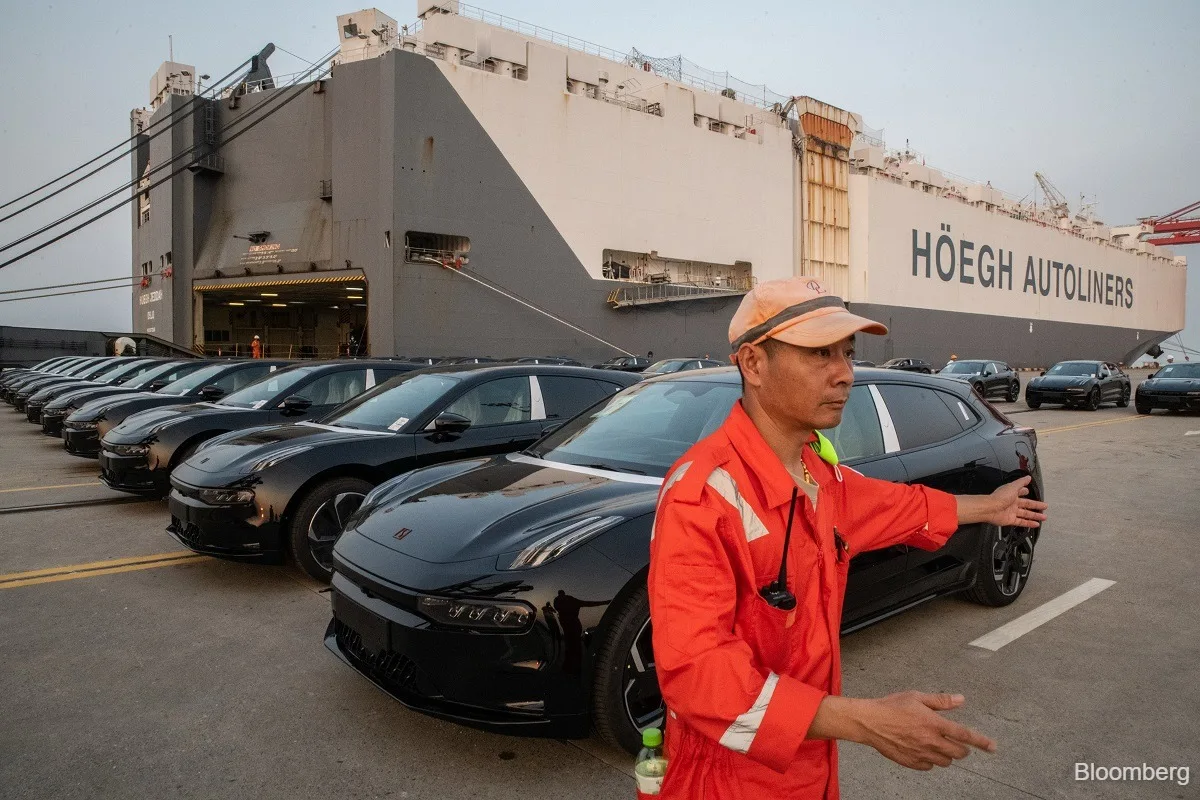
Despite weak domestic demand, vehicle exports, particularly EV exports, surged. Exports grew over 74.7% to 75.1% year-on-year in May, with some Chinese EV makers such as Nio reporting strong export growth amid stagnation at home [1, 2]. Nio CEO William Li said China's auto industry "had likely moved past its 'golden era' as domestic demand stagnates even though exports remain strong" [1].
Volkswagen aims to revive its business in China by focusing on locally developed electric vehicles targeting the shrinking market [1, 2]. Eugene Hsiao, Macquarie Capital's head of China equity strategy, noted China's auto market still is the world’s largest with 23 million to 25 million annual retail sales but said, "Leading EV makers could continue to outpace the broader market as penetration rises" [1].
Cui Dongshu expressed cautious optimism, saying, "We believe the overall auto market will gradually improve in the third quarter and return to growth in the final quarter" [2]. The CPCA is expected to update its forecasts as the year progresses.