Australia's unemployment rate rose to 4.5% in April 2026, marking the highest level since November 2021. Employment fell by 18,600, the first decrease in 2026, driven by a drop of 10,700 full-time jobs following previous gains. The participation rate eased slightly to 66.7% during the month, even as total hours worked increased by 0.8% [1, 2, 3].
The fall in employment included the first drop in female employment since August 2025. Economist Krishna Bhimavarapu of State Street Investment Management said, "Today’s jump in unemployment signals that the labour market narrative may be shifting faster than expected. It validates the RBA's inclination to hold in June and raises the bar significantly for a change" [2]. David Bassanese, chief economist at Betashares, noted, "There were tentative signs suggesting the labour market is buckling. Of course, whether the RBA raises rates again depends on inflation outcomes and whether the labour market weakness evident in April was merely a quirky one-off or part of a softening trend" [3].
The Australian labour market appears to be loosening more quickly than expected, reducing the likelihood of the Reserve Bank of Australia (RBA) raising interest rates in its June review. The RBA had already raised rates three times in 2026, lifting the cash rate to 4.35% to combat inflation. Annual inflation stood at 4.6% in March, above the RBA’s 2%-3% target band. The Australian stock market rose following the April jobs data as investors factored in a lower chance of imminent rate hikes [1, 2, 3].
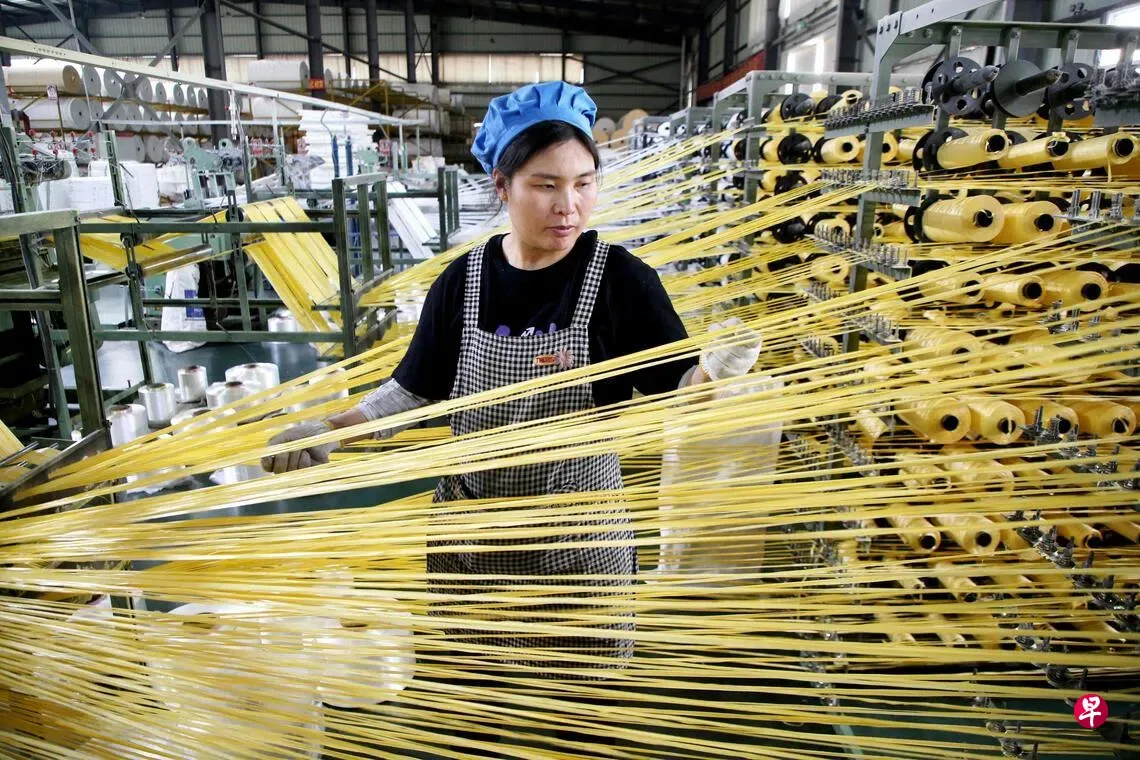
Regional data showed contrasting trends across Asia. China's economic growth slowed in April 2026, with industrial output growth slipping to 4.1%, retail sales growth weakening to just 0.2% — the slowest since December 2022 — and fixed-asset investment contracting by 1.6% in the first four months of the year. The Iran war and rising energy costs have weighed on China’s growth and domestic consumption, with property investment dropping 20.1% year-on-year in April [4, 5, 6].
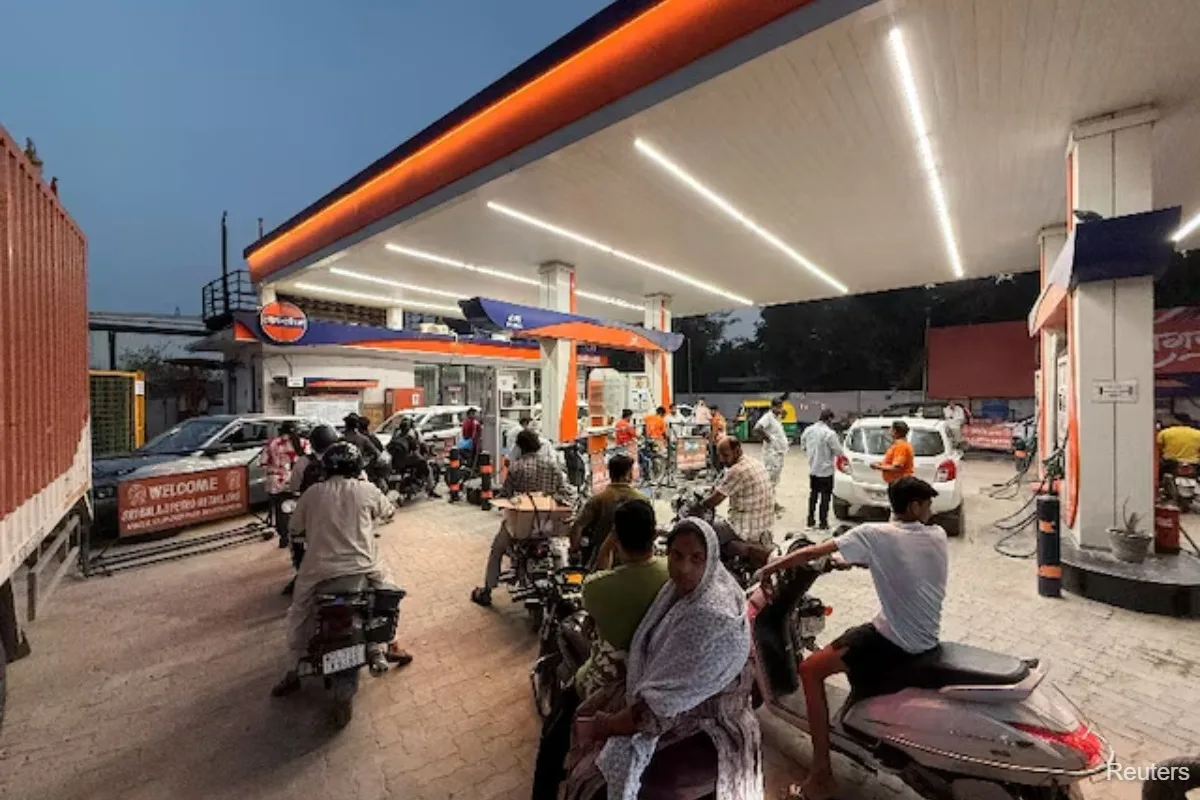
Japan’s economy grew at an annualised rate of 2.1% in the first quarter of 2026, supported by exports and consumption before the full impact of the Iran war was felt. Senior economist Yoshiki Shinke said, "Today's data shows the economy was on a solid footing before the Iran war, which means it has some buffers to weather the energy shock" [7]. Meanwhile, Malaysia’s headline inflation reached 1.9% year-on-year in April, the highest in 18 months due to rising transport and fuel costs linked to the conflict [8]. India’s state-run fuel retailers raised petrol and diesel prices twice in May 2026 in response to higher crude oil prices from the Iran war [9].
In the UK, unemployment rose slightly to 5.0% in March 2026 amid labor market softness related to higher energy prices caused by the Middle East conflict. Inflation eased to 2.8% year-on-year in April but is expected to climb again as the conflict impacts energy costs. ONS director Liz McKeown said, "The labour market remains soft, with vacancies at their lowest level in five years and unemployment higher than a year ago". ONS chief economist Grant Fitzner highlighted that lower electricity and gas prices earlier in the year had helped reduce inflation temporarily [10, 11].
British retailer Marks & Spencer expects profit growth in 2026/27 after a 24% profit slump last year caused by a cyberattack. CEO Stuart Machin said, "We were laser focused on our customers, worked incredibly hard to recover our business, and we came out stronger" [12].
The Reserve Bank of Australia will meet in early June to decide on monetary policy amid softer labor market signals and persistent inflation above target.