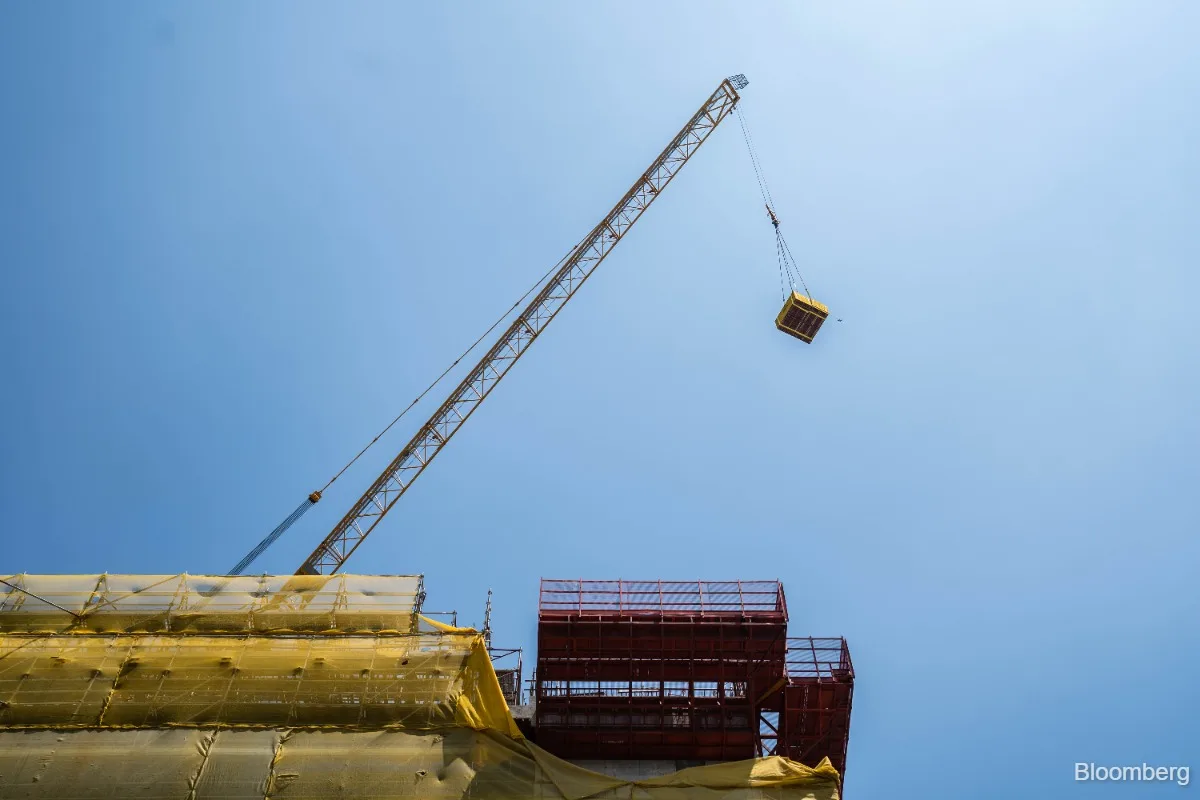
China's broad public expenditure shrank 7.3% year-on-year in April 2026, the largest decline since October 2025, accelerating from a 2.5% drop in March [1, 2, 3, 4, 5]. Infrastructure-related spending under the main budget plunged 17.7% year-on-year, worsening from an 8.5% decline in March [1, 2, 3, 4, 5]. This reduction contributed to an unexpected contraction in fixed-asset investment and an overall slowdown in economic activity [1, 2, 3, 4, 5].
Despite shrinking spending, China's broad fiscal revenue rose 2% year-on-year in April 2026 [1, 2, 3, 4, 5]. Economists attribute the spending cuts to solid first-quarter growth, reducing stimulus needs, a funding gap caused by postponed infrastructure projects, and pressure to repay arrears owed to companies [1, 2, 3, 4, 5]. Some estimate that China's economic expansion slowed to about 4% in April, below the official 2026 full-year target range of 4.5% to 5% [1, 2, 4, 5].
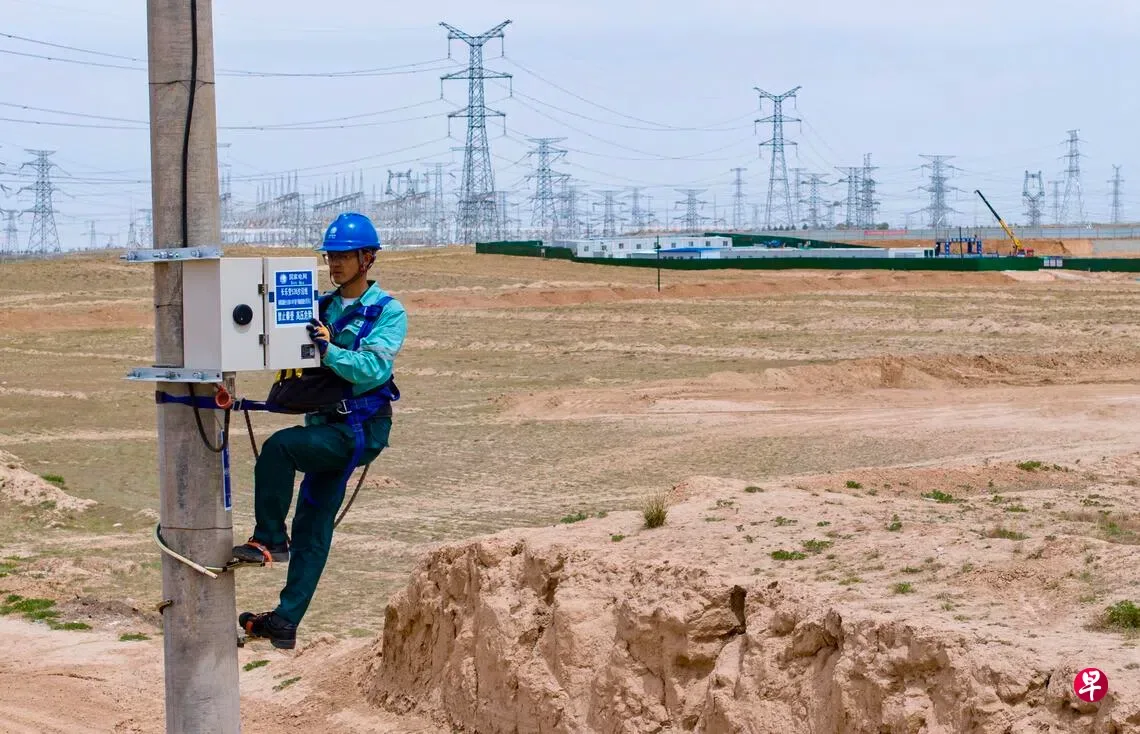
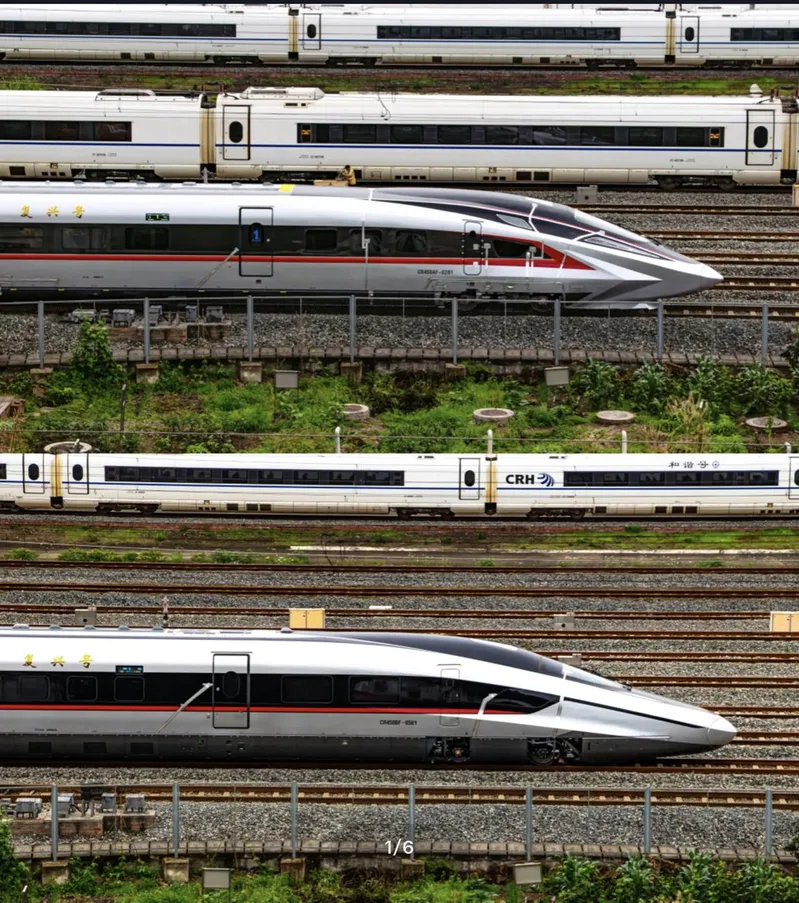
In response to the slowdown, the Communist Party Politburo pledged to accelerate infrastructure projects in areas including water, electricity, computing power, telecommunications, urban underground pipes, and logistics. These projects could total over 7 trillion yuan (around US$1 trillion) this year [1, 2, 3, 4, 5]. Huatai Securities analyst Wang Mingshuo said, "Government fiscal stimulus has weakened, but with pressures from the Middle East energy crisis on some enterprises and consumers, fiscal support is still needed to restore domestic demand" [3]. Bloomberg analysts Shu Chang and Qu Tianshi noted the limited impact from Middle East conflicts but said "deep supply-demand imbalances continue, meaning fiscal policy will likely remain loose with possible new monetary and fiscal stimulus later in the year" [3].
China's social financing scale fell to RMB 620 billion in April 2026, a two-year low and down 47% from April 2025. Net newly added loans decreased by RMB 10 billion, marking the second net credit contraction since July 2025 [6]. Both corporate and personal loan demand declined, while bond financing rose. Enterprise bond net financing from January to April reached RMB 1.5 trillion, up RMB 739.3 billion year-on-year, reflecting a shift from bank loans toward bonds, equity, and internal funding [6]. The People's Bank of China removed references to potential further reserve requirement or interest rate cuts in its first-quarter monetary policy report, signaling a cautious approach amid record-low commercial bank net interest margins of about 1.40% that pressure bank profits [6].
The government’s push to speed infrastructure investment this year contrasts with the sharp spending cuts in April. Officials have emphasized accelerating projects estimated at over 7 trillion yuan for 2026 [1, 2, 3, 4, 5]. Analysts expect fiscal measures targeting infrastructure and possible monetary easing later in the year to help offset the current slowdown.
The next key developments will center on实施 of Politburo’s infrastructure initiatives and possible new stimulus actions, which could emerge in the coming months to support growth amid weakening fixed-asset investment and subdued credit demand [1, 6].