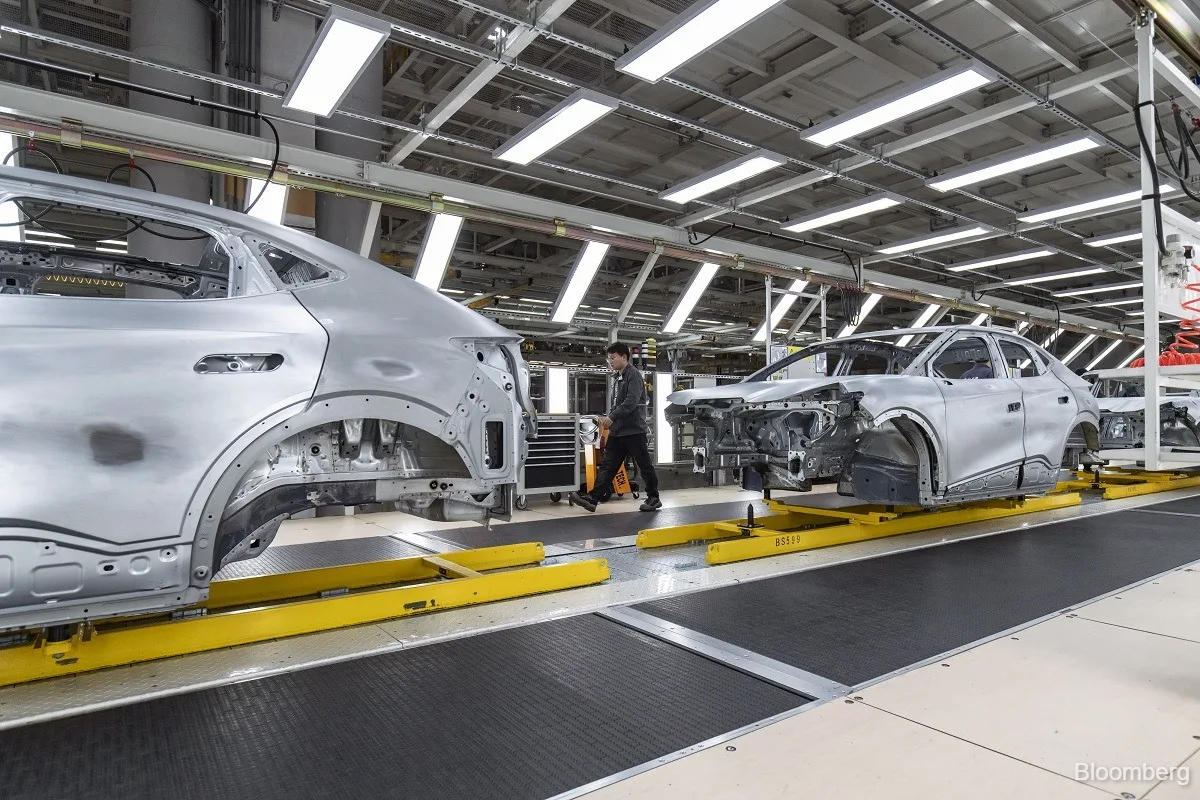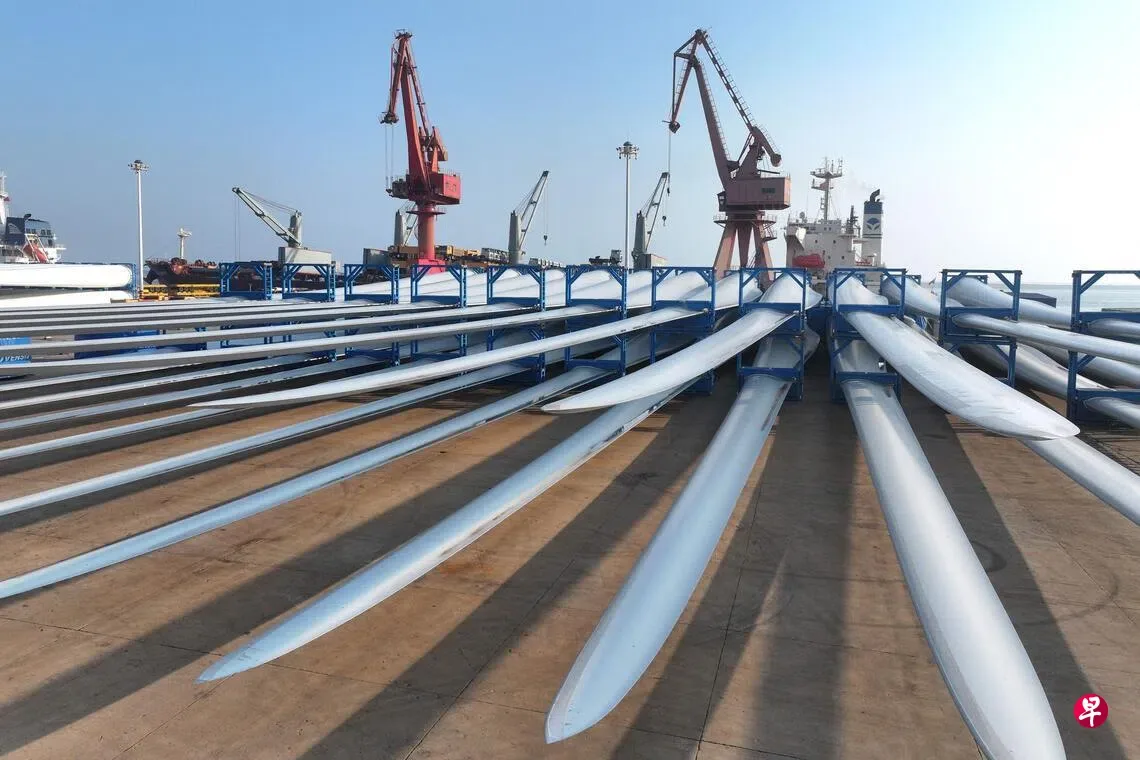
China's industrial profits surged 24.7% year-on-year in April 2026, the fastest rate since November 2023, according to data released by the National Bureau of Statistics on May 27 [1, 2, 3, 4]. This marked a sharp acceleration from 15.8% growth in March 2026 [1, 2, 3, 4]. For the January-April period, profits increased 18.2% year-on-year, surpassing the first quarter's 15.5% rise [1, 2, 4].
Strong export performance underpinned growth in April, with shipments rising 14.1% in dollar terms and imports jumping 25.3% [4]. Growth was fueled by a global surge in AI-related investment and supply concerns linked to Middle East conflicts, boosting demand for Chinese industrial goods [1, 2, 3]. At the same time, domestic demand remained weak, causing uneven recovery across sectors and forcing firms to rely heavily on overseas markets [1, 2, 3]. Economic analyst Xu Tianchen noted, "As a major global AI supplier, China’s AI-related industries saw profits surge amid computing power shortages; however, the economy faces strong exports but weak domestic demand, leading to insufficient profits in consumer-facing industries" [3].
Industrial output rose 4.1% year-on-year in April, while retail sales increased only 0.2% [4]. Fixed asset investment declined through the first four months, weighed down by real estate sector struggles [4]. The Producer Price Index rebounded 2.8%, the highest gain since July 2022, supporting price and profit margin improvements despite weak volume growth due to lackluster demand and investment [4, 5]. State-owned and joint-stock firms led the profit and revenue growth in April, while foreign companies showed slower profit advances [5].
Profit gains concentrated in high-tech sectors linked to AI, semiconductors, and automation, while consumer-facing industries like furniture, textiles, and automotive saw profit declines [3]. BYD, China’s largest electric vehicle maker, reported a 55.4% drop in first-quarter net profit, its biggest fall since 2020, despite record overseas sales share [1, 2, 3]. Leapmotor posted record first-quarter revenue driven by rising sales and exports but widened its net loss year-on-year [1, 2, 3].
Economic analysts describe the pattern as a "K-shaped" recovery, with strong growth in upstream resources and high-tech areas contrasting ongoing weakness downstream. Singapore OCBC's research head Xie Dongming said, "China shows clear K-shaped economic traits due to the transition of old and new drivers; overall, domestic demand has not improved substantially." He added that real estate's continued weakness weighs on middle-class wealth effects and consumption, limiting downstream companies’ ability to pass costs to consumers [3]. Another analyst, Wu Zhuoyin from Natixis, cautioned the split could persist "unless consumption and business investment increase" [3].
The April data cover firms with annual revenue of at least 20 million yuan (about US$2.95 million) [1, 2]. The latest figures reflect a complex industrial landscape where export-led profit growth coexists with weak domestic markets and uneven sector performance.
The National Bureau of Statistics is expected to release May data in the coming weeks to track whether the momentum in industrial profits and exports continues.