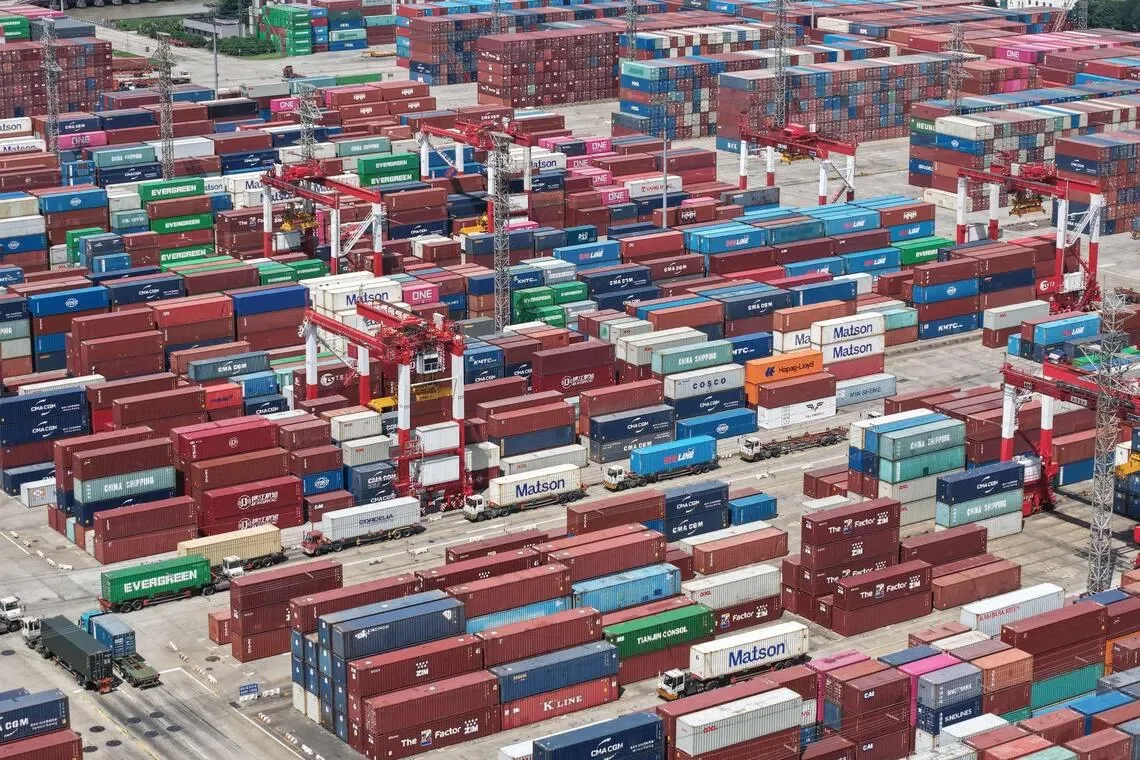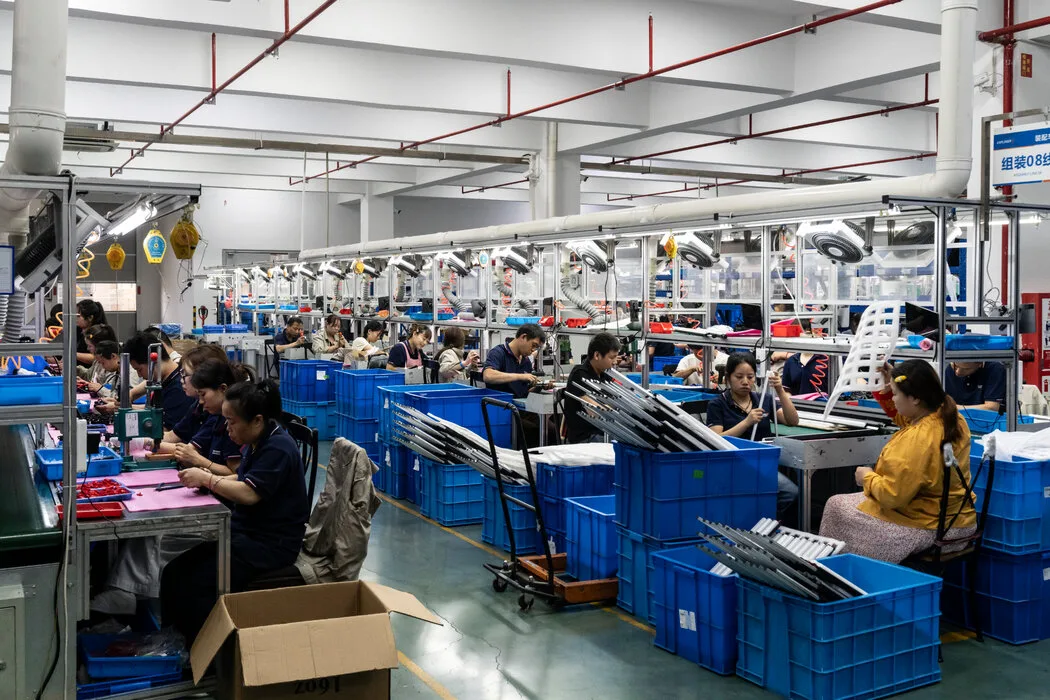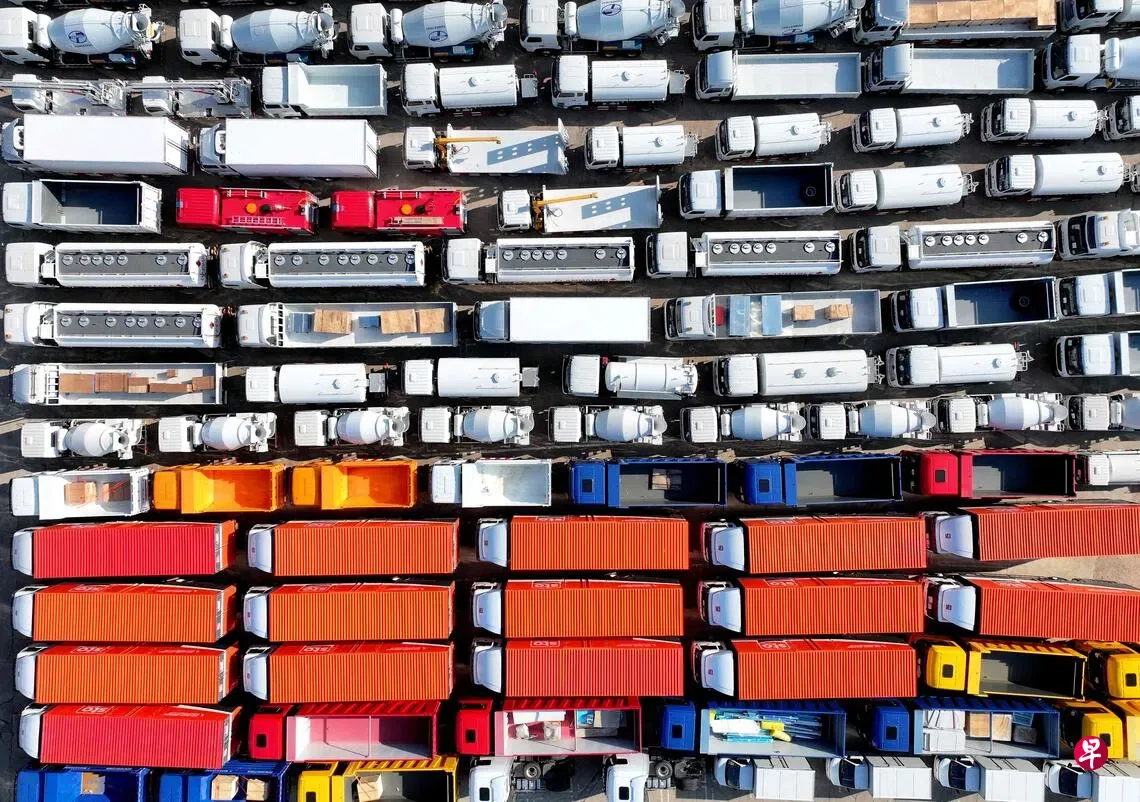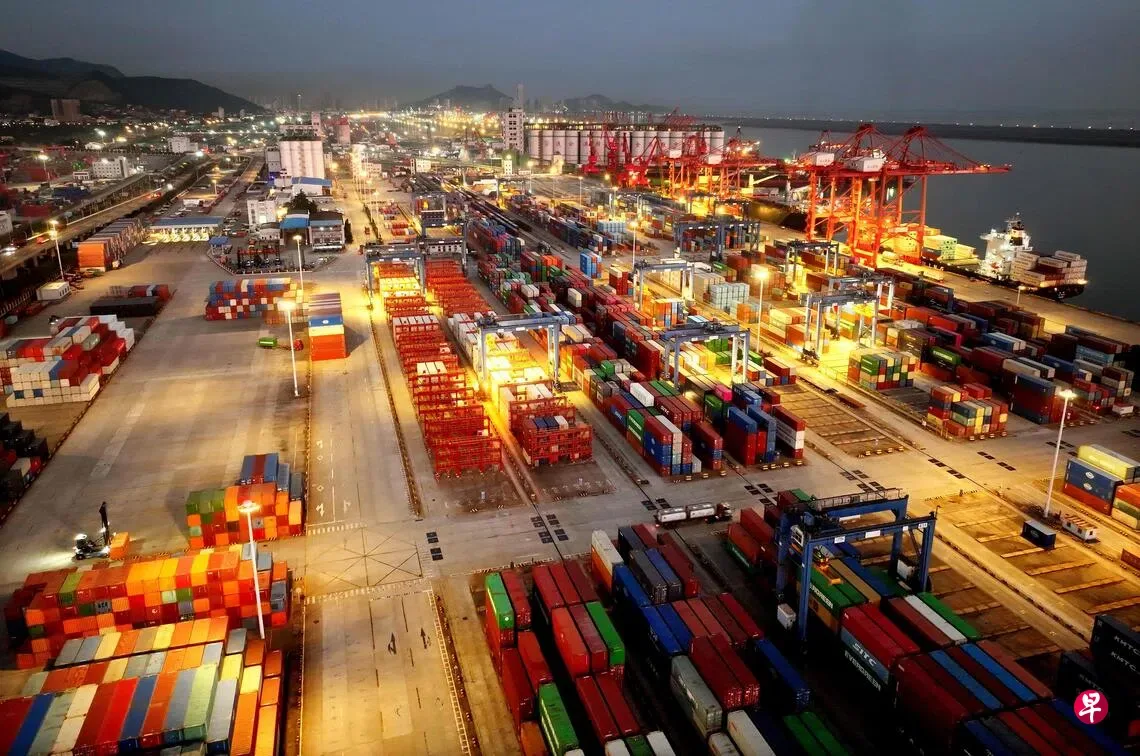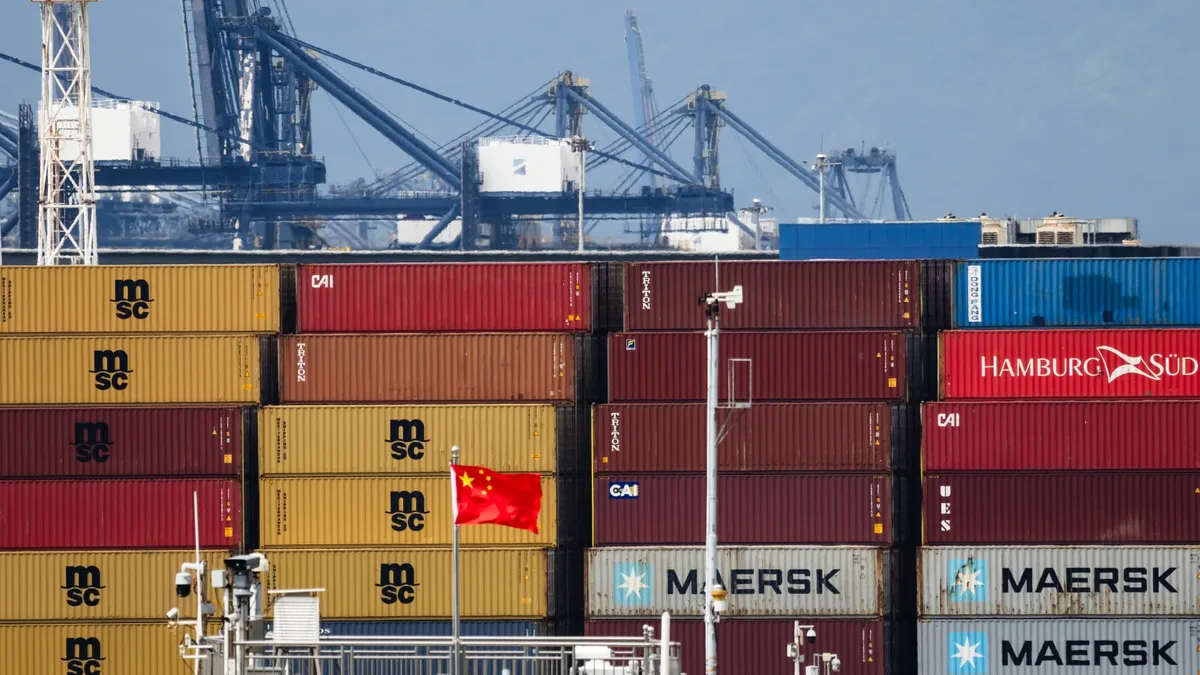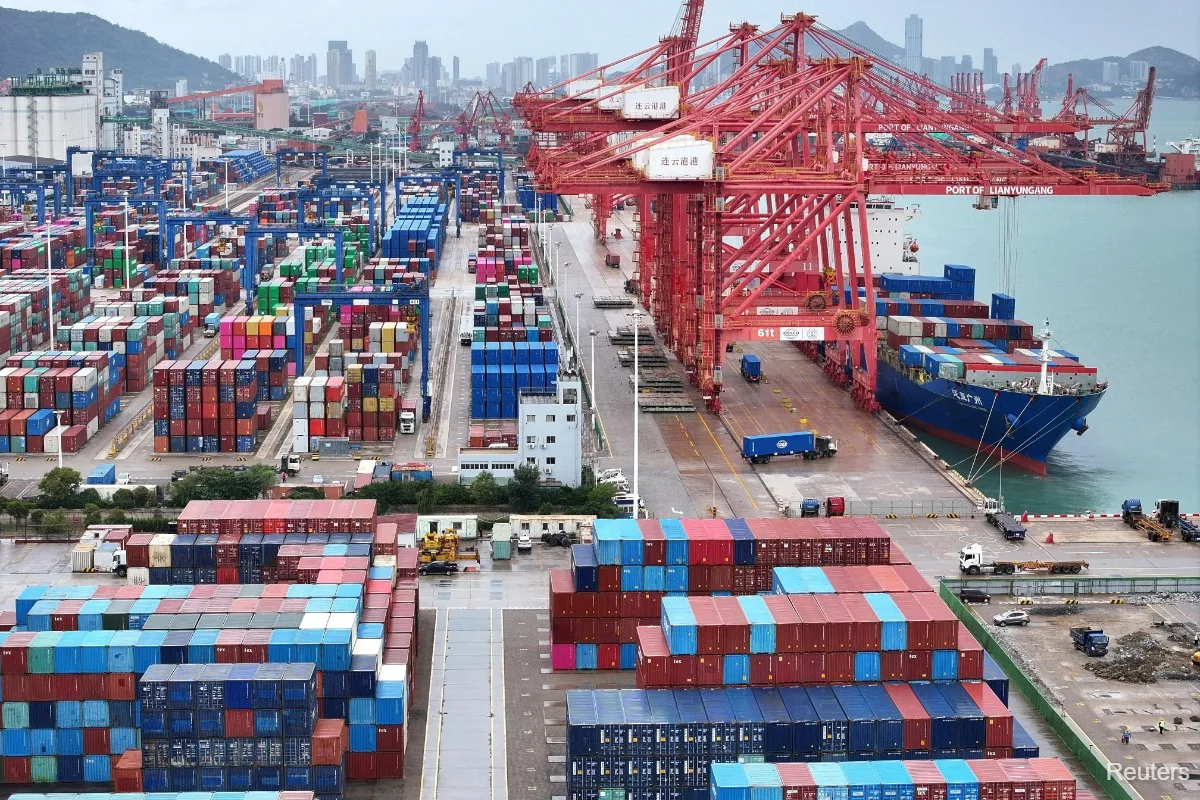
China's exports expanded 23.9% in July 2026 from a year earlier, exceeding forecasts of 22.2% but slower than June's 27% surge, as strong demand for AI-related high-tech products boosted shipments [1, 2, 3, 4, 5, 6, 7, 8]. Imports grew 27.5%, slightly below expectations, contributing to a narrowed trade surplus of about US$112.5 billion, down from US$125.6 billion in June [1, 2, 3, 4, 8].
Semiconductor exports nearly doubled year-on-year, while exports of other high-tech products rose 40-50%, driven by global investments in artificial intelligence infrastructure [1, 2, 9, 3, 8]. Advanced manufacturing goods including electric vehicles, lithium batteries, and wind turbines also rose significantly, sustaining over a year of double-digit growth in green technologies [9, 3, 8]. High-tech exports accounted for nearly 60% of the month's incremental export volume, underscoring their dominant role in trade growth [9, 3].
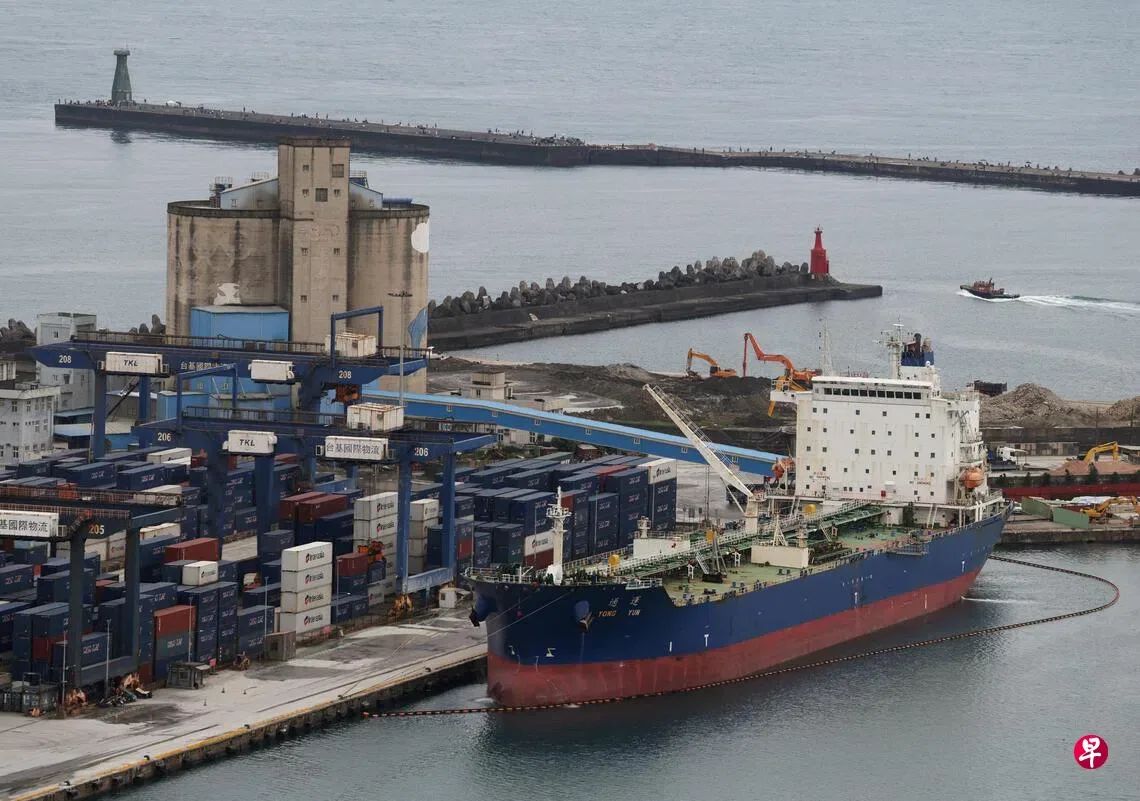
In contrast, traditional sectors struggled. Ceramic exports fell about 28%, reflecting uneven gains across the economy [1, 2]. Some coastal port disruptions from typhoons and heavy rain partially slowed export growth in July [3, 8].
China's economy showed 4.7% growth in the first half of 2026, with second-quarter growth cooling to 4.3% due to weak consumption and investment, offset by strong manufacturing and export performance [1, 2, 3]. Trade with major partners varied: exports to the US rose 17% to US$419 billion despite tensions, while the trade surplus with Germany widened to approximately US$27 billion from January to July amid rising exports to Germany and falling imports [5, 6, 7].
Cumulative trade for January–July 2026 revealed 17.3% year-on-year growth, with imports growing faster (22%) than exports (14%) [9]. Taiwan also reported strong export growth in July, up 32.9% year-on-year to US$75.3 billion, fueled by AI-related products and demand from Europe and China [10, 11].
Experts noted the role of AI and trade dynamics in shaping July's results. Su Jian of Peking University said growth was due to "a low base effect from US tariffs and successful industrial adjustment with high-tech products as the main export support" [3]. Wang Qing of Orient Securities attributed the slower export growth to "typhoon impact on coastal port transport and a global AI valuation adjustment" [8]. Zhang Di from China Galaxy Securities emphasized the ongoing AI supercycle but warned of geopolitical and trade uncertainties [8]. Zhiwei Zhang of Pinpoint Asset Management expects "intense negotiations between China and the major trading partners in the coming months on what can be done to make trade more balanced" [4].
China's leaders in late July called for accelerating the shift to high-tech industries to sustain growth [1, 2]. The next major trade data release and policy updates will be closely watched for signals on China's external demand and export strategy.