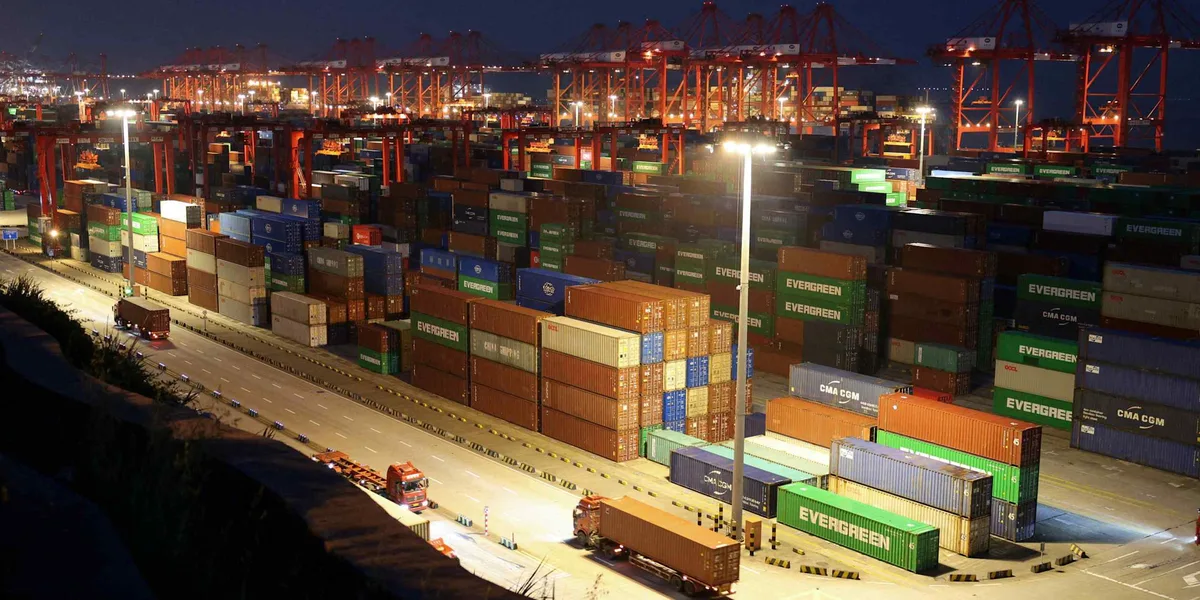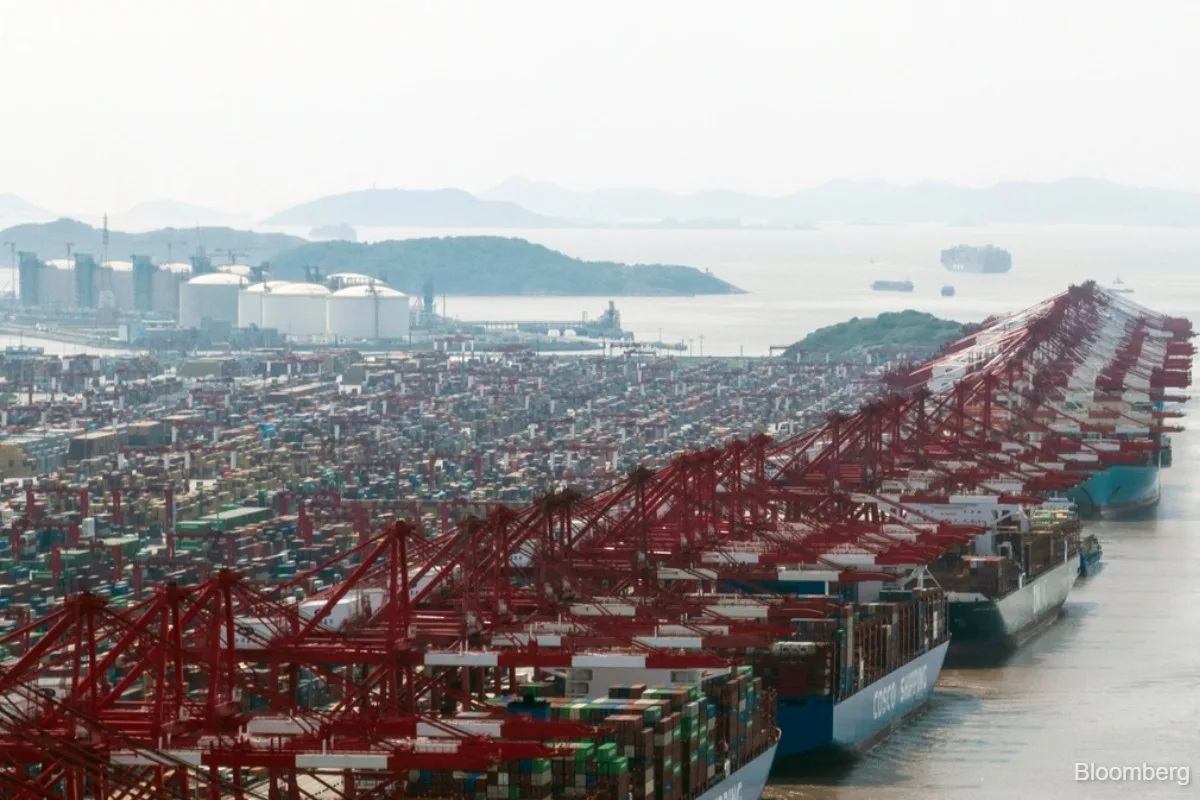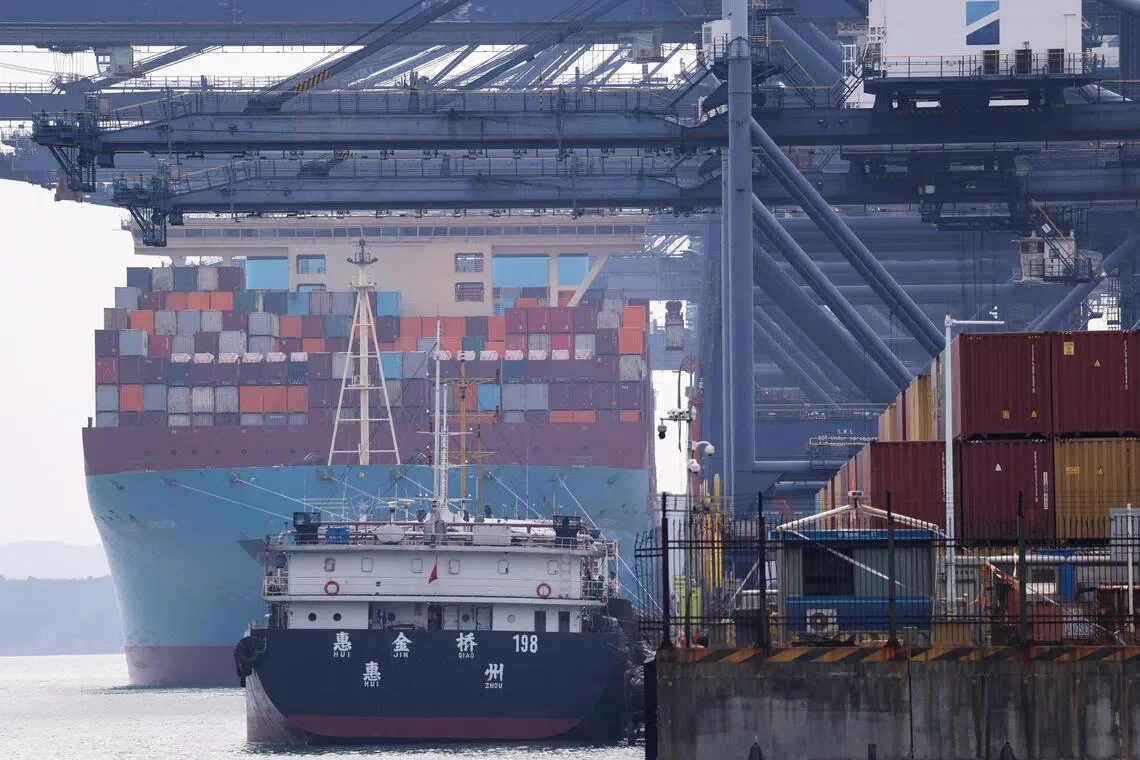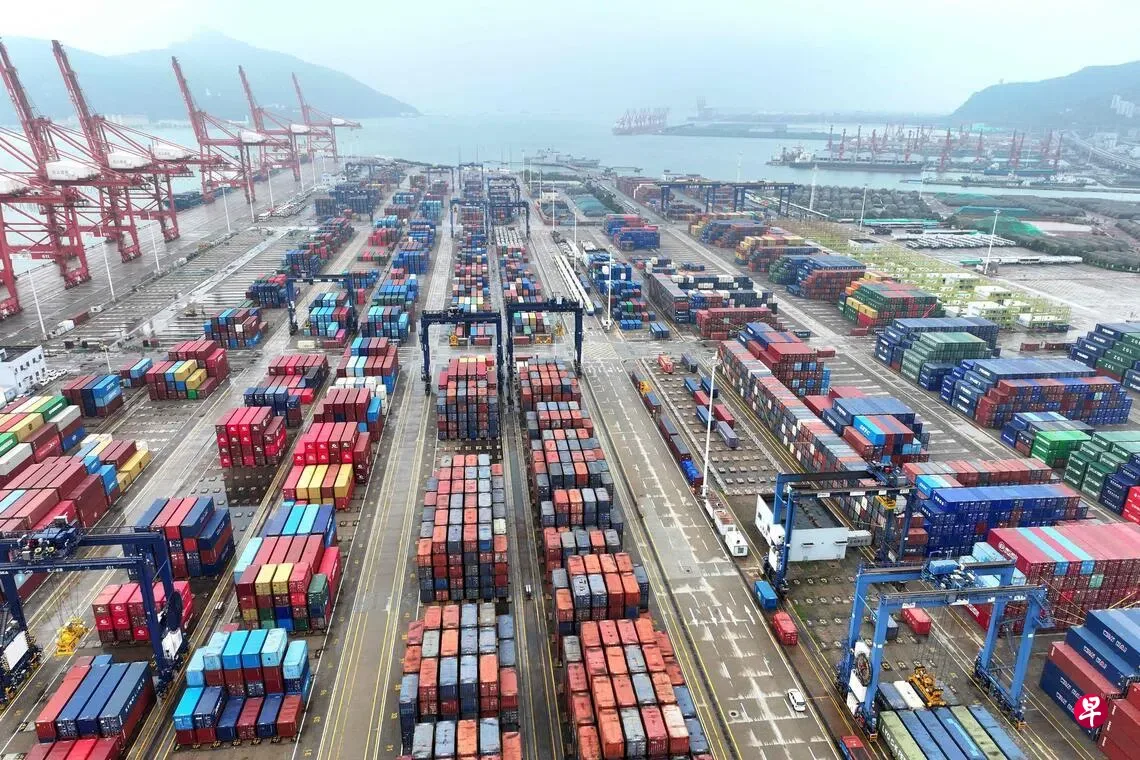
China's exports in June 2026 rose 27% year-on-year, well above forecasts near 18-19%, propelled by strong global demand for AI-related hardware including semiconductors and computing equipment, Customs Vice-Minister Wang Jun said, highlighting the precise match between "Made in China" products and diverse global needs [1, 2]. Imports surged 36%, the fastest pace in five years and surpassing forecasts near 24%, largely due to soaring semiconductor prices rather than a sharp rise in domestic demand, according to Capital Economics analyst Julian Evans-Pritchard [3, 4, 2, 5, 6, 7].
The trade surplus widened to about $125.6 billion in June, the second-highest on record and up from roughly $105 billion in May [3, 4, 2, 5, 7]. China’s integrated circuit (IC) exports almost doubled in value during the first half of 2026, reaching about $177 billion, helped by a global AI investment boom that drove a historic chip shortage and prices up as much as 700% year-on-year [8]. Nonetheless, some sources noted the actual volume of semiconductor exports fell about 0.4% year-on-year in June, indicating that the value increase was mainly due to higher prices rather than shipment growth [9, 10, 6, 11].
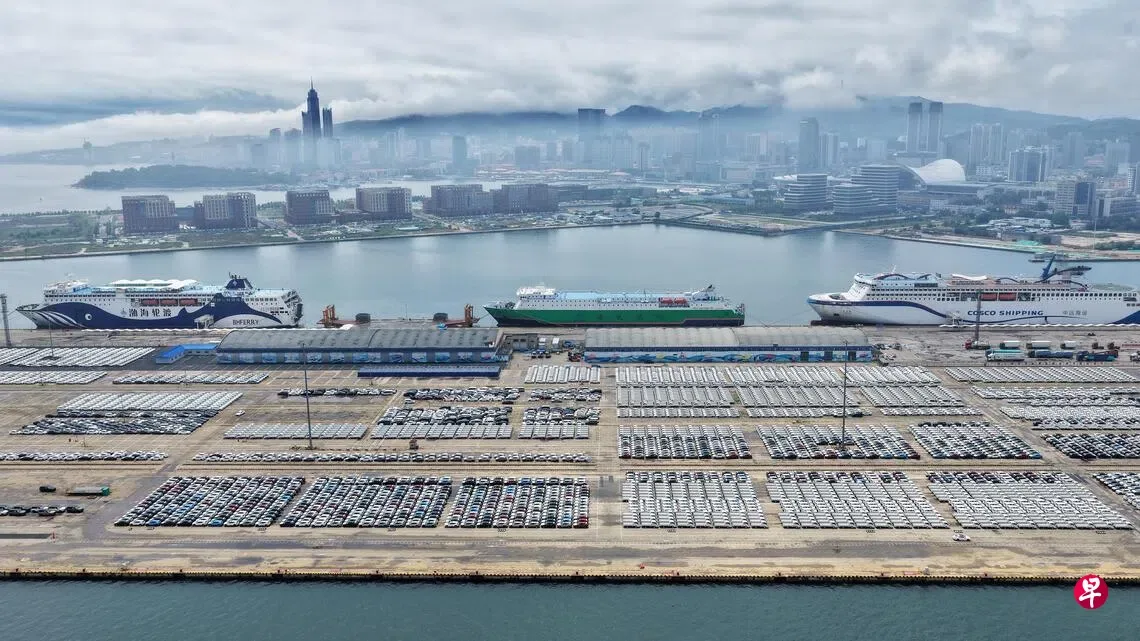
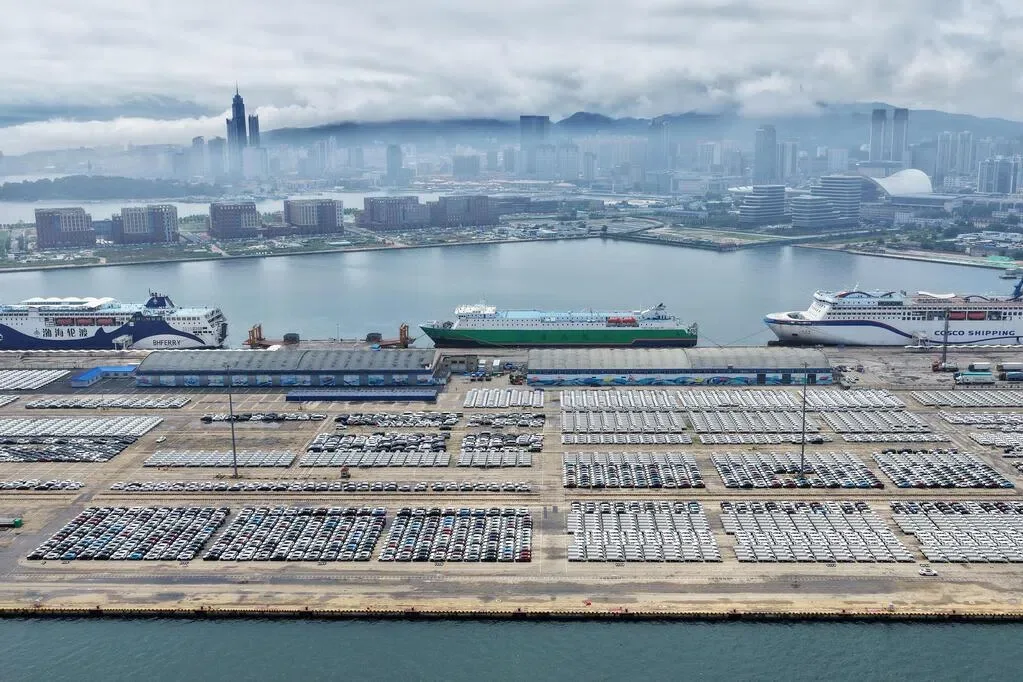
Chinese automobile exports, especially electric vehicles, jumped nearly 70% in June, reflecting strong overseas demand [9, 10, 6, 11]. Exports to the United States rose 13.9%, with the trade surplus reaching $28.9 billion for the month [4, 9, 6, 11, 7]. Trade with the European Union also grew, with exports up 18.5% and imports by 9.2% in June. Exports to ASEAN rose 34.6%, and to Russia 38% [10, 12, 7]. China’s exports to Germany climbed 27.2%, while imports from Germany grew only 3.1%, widening Germany’s trade deficit with China to about $22.3 billion in H1 2026 [10, 12].
China’s crude oil imports in June hit a 10-year low amid geopolitical tensions and reduced foreign purchases following the Middle East conflict [3, 9, 11]. Despite strong export growth, China’s domestic GDP growth slowed to about 4.5% in Q2 2026, down from 5% in Q1, due to weak domestic consumption and investment [3, 2, 9, 5, 11].
Customs officials also noted that exporters rushed shipments to the US in June ahead of expected expiration of 10% broad US tariffs on Chinese goods by late July and possible new 12.5% tariffs, which helped push up export volumes [4, 2, 9, 5, 11]. Data released July 14 by the General Administration of Customs confirmed these trade figures and linked the surge to global AI-driven demand and tariff timing [1, 3, 4, 2, 9, 5, 6, 7].