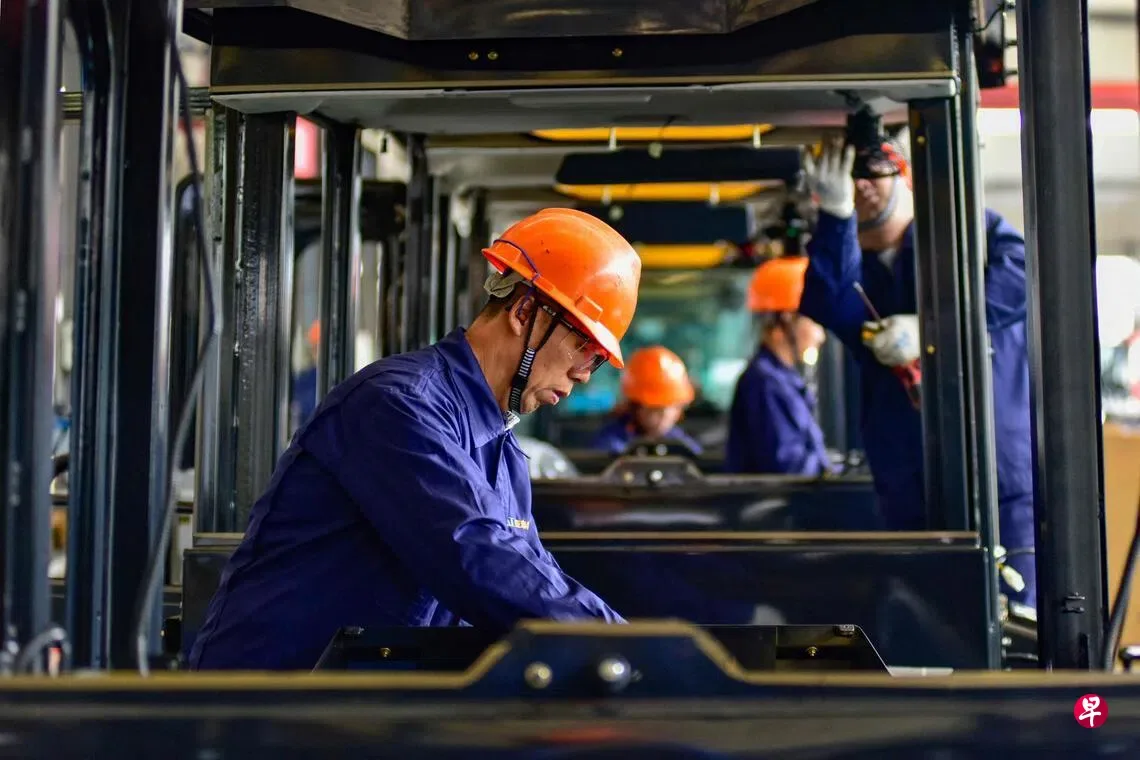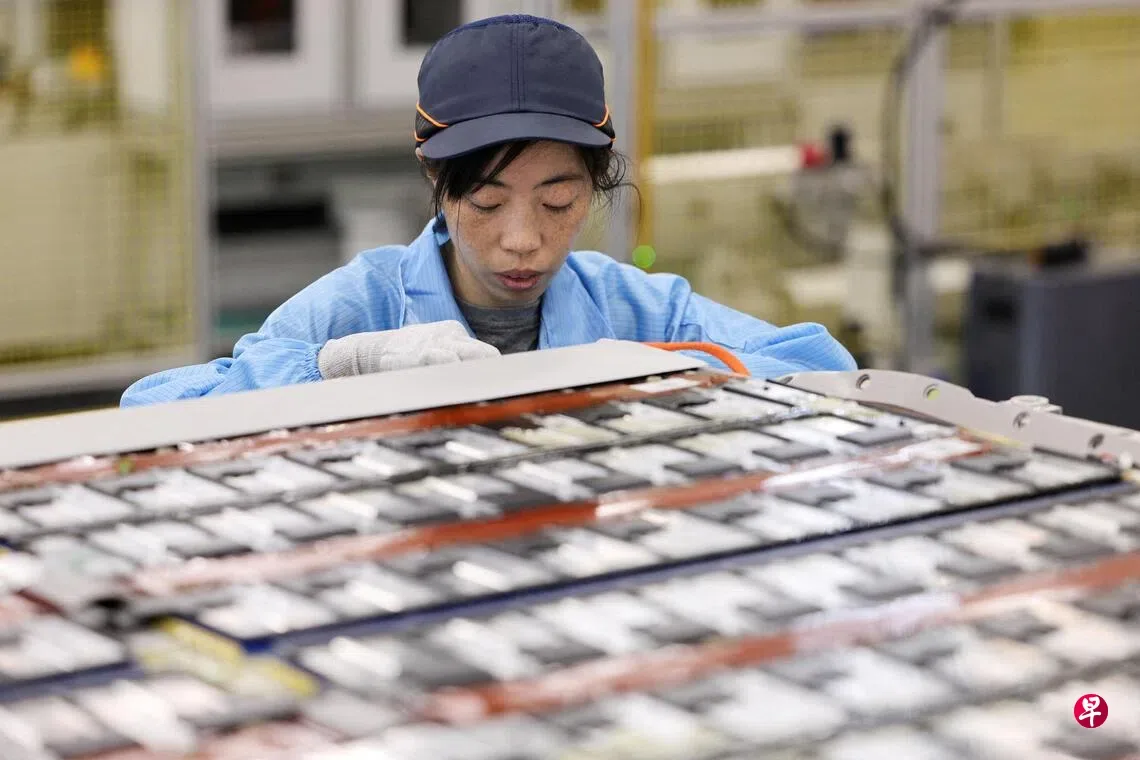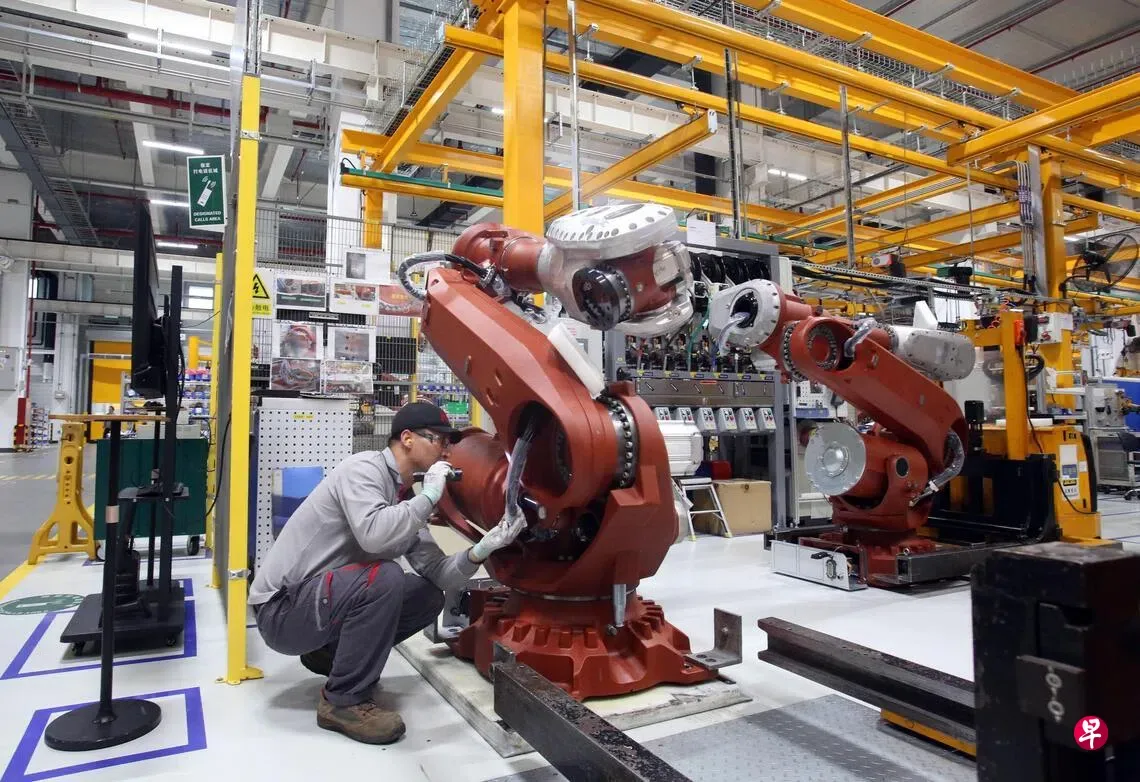
China's official manufacturing purchasing managers index (PMI) for May 2026 stood at a critical 50.0 level, down 0.3 points from April, indicating the sector is at a borderline between expansion and contraction, according to the National Bureau of Statistics released May 31 [1, 2, 3]. The figure met market expectations, marking a token slowdown after two months of steady expansion [1, 2, 3].
The production sub-index remained in expansion territory at 51.2, but the new orders index slipped slightly below 50 at 49.9, signaling weakening domestic demand [1, 2]. Raw materials purchasing prices and factory gate prices both declined from April but stayed elevated, at 60.5 and 51.9 respectively, reflecting ongoing cost pressures in the manufacturing supply chain [1, 2]. As Chief Statistician Huo Lihui noted, "manufacturing enterprises' production activities continue to expand; market demand has somewhat slowed; raw materials and factory gate prices remain at a relatively high level" [1].
The non-manufacturing business activity index rebounded to 50.1 in May from 49.4 in April, returning to expansion [1, 2]. However, external headwinds such as the Iran war and disruptions in the Strait of Hormuz pushed up energy prices, adding to manufacturing costs and squeezing profit margins [2, 3]. Export orders were particularly weak, falling significantly and prompting pressure to reduce reliance on overseas markets amid the rising yuan exchange rate creating losses for many exporters [2, 4].
Sector-wise, high-tech and equipment manufacturing showed resilience, with PMI levels above 52 supported by demand for AI and semiconductors [2, 5]. On the other hand, small and medium manufacturers faced contraction with PMI below 50, while large enterprises remained stable above 51 [6]. Non-official data provider RatingDog reported a May manufacturing PMI of 51.8, down from 52.2 in April but surpassing expectations, signaling ongoing albeit slowing expansion [5, 7]. Founder Yao Yu said, "inflationary pressures easing gives breathing room for costs and pricing, but demand slowdown and shrinking external orders remain risks" [5].
By comparison, the US manufacturing PMI rose to 54.0 in May, hitting a four-year high driven by new orders and employment growth [8, 9]. China-US trade talks did not extend the existing trade truce but agreed on tariff cuts covering about $30 billion of goods, offering some relief to exporters [10].
Overall, China's manufacturing sector in May showed stable but weakening growth amid internal demand softness and external cost and trade pressures. The next major update from the National Bureau of Statistics is expected with June PMI data late next month.