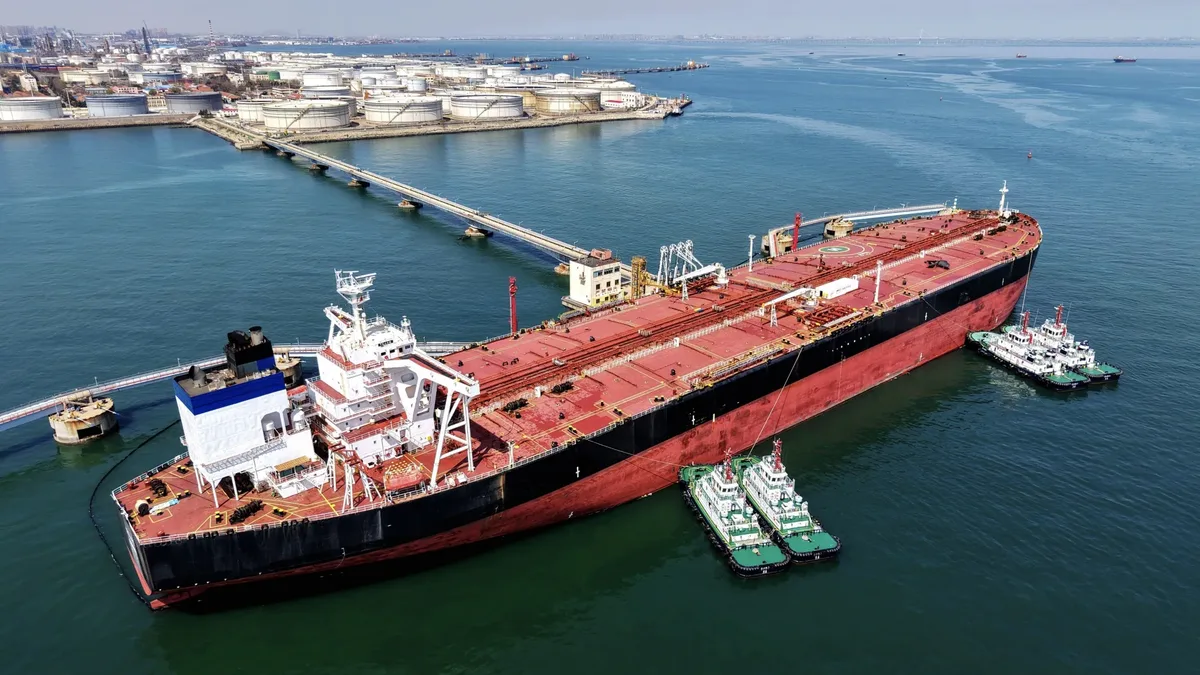
China's crude oil imports fell sharply to 6.7 million barrels per day in May 2026, marking the lowest level in a decade [1, 2]. This represents a significant drop from the 2025 average of about 10.4 million barrels per day of seaborne crude imports [1, 2].
The decline reflects weaker domestic demand, reduced refinery operating rates, and limited crude exports, which have lessened the need for fresh imports [1, 2]. Substantial refinery inventories have helped buffer the impact, with refinery stocks decreasing by around 15 million barrels in May, indicating that refineries mainly relied on existing supplies rather than new shipments [2].
China's strategic petroleum reserves have grown by about 8 million barrels since the outbreak of the Iran conflict, helping buffer supply risks [2]. Together, rising reserves and large refinery inventories have limited the pressure on China to boost crude purchases or draw heavily on reserves [1, 2].
Analysts expect this trend of reduced crude buying to continue through the summer of 2026 [2]. The slowdown in Chinese crude imports has contributed to partially offsetting global supply shocks from the Strait of Hormuz closure. This has helped stabilize oil prices in the short term despite geopolitical tensions [2].
China's crude oil import data highlight ongoing adjustments in its energy demand and refinery operations amid evolving market and geopolitical conditions.