China's economy grew 4.3% year-on-year in the second quarter of 2026, marking its slowest pace since the last quarter of 2022 and below the official annual target range of 4.5% to 5%, which was set as the lowest growth target since 1991 [1, 2, 3, 4, 5, 6, 7, 8, 9]. This decline paused momentum after a strong first quarter when GDP expanded 5% year-on-year [1, 10, 11, 4, 7]. Quarter-on-quarter growth slowed to 0.9%, the weakest quarterly advance since 2023 [10, 11, 3, 5, 8].
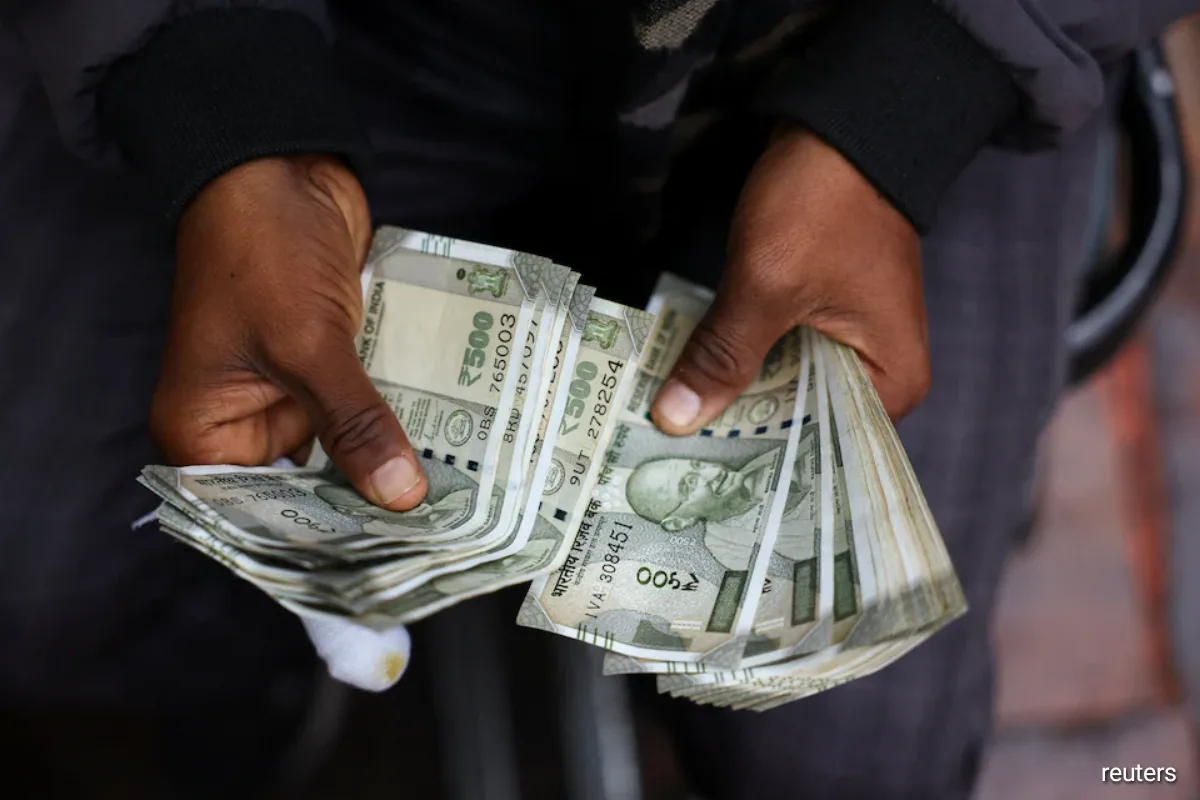
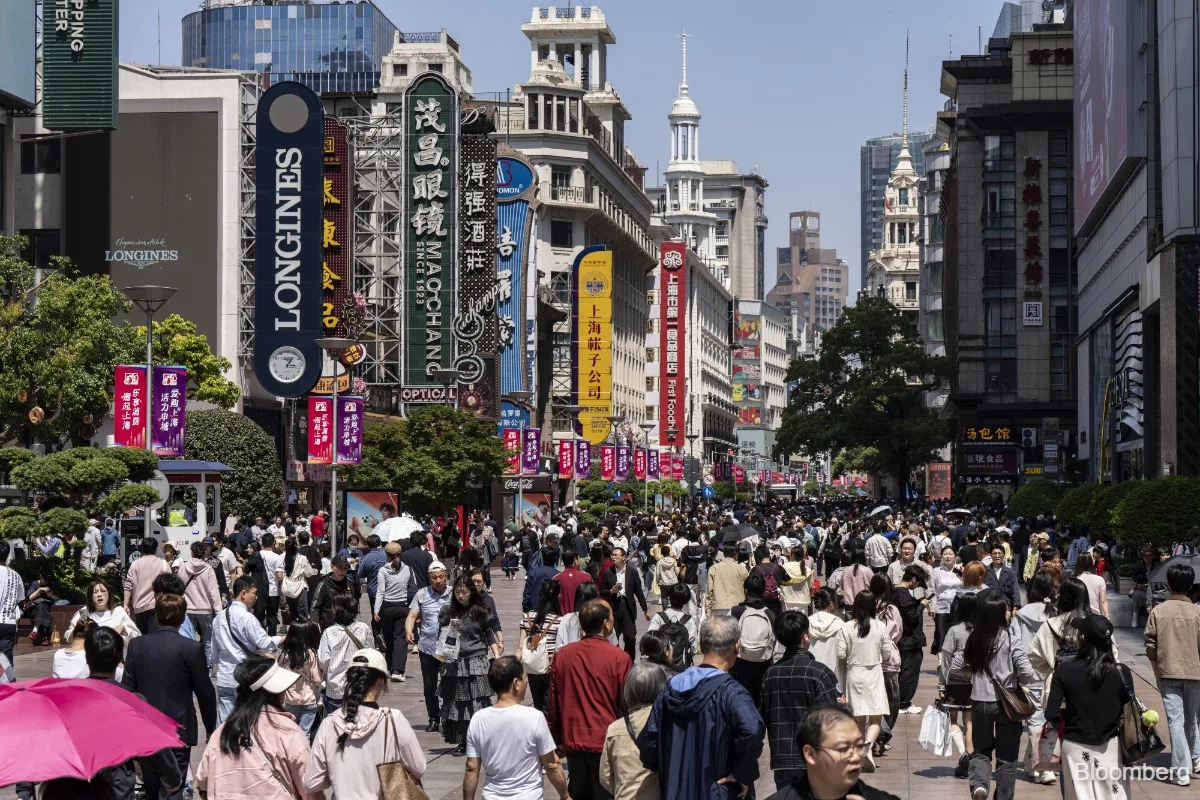
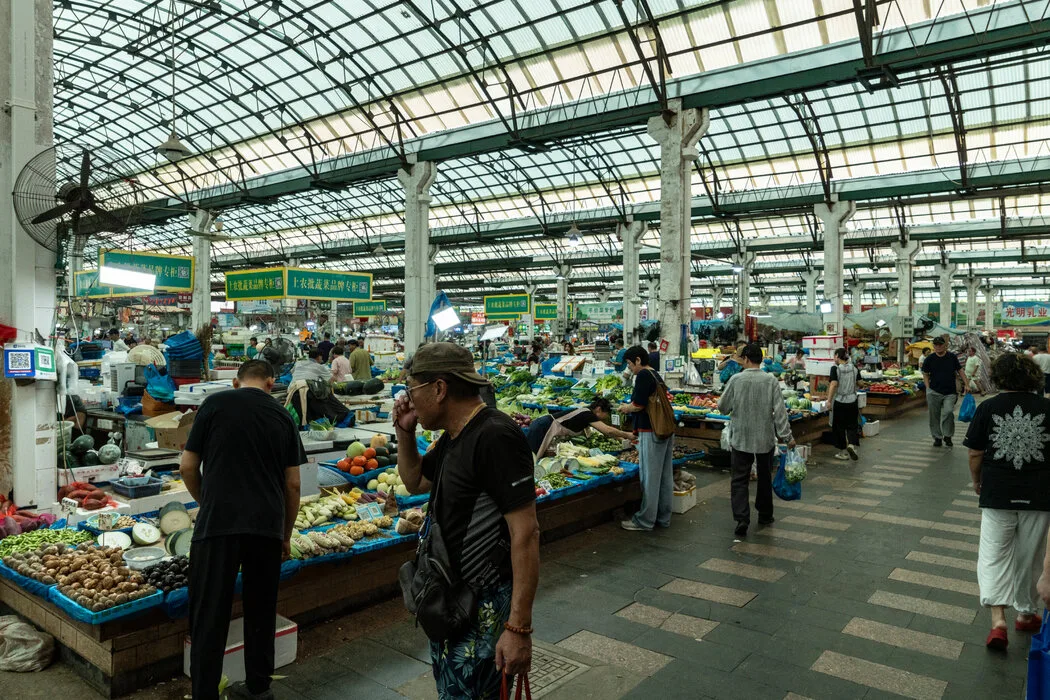
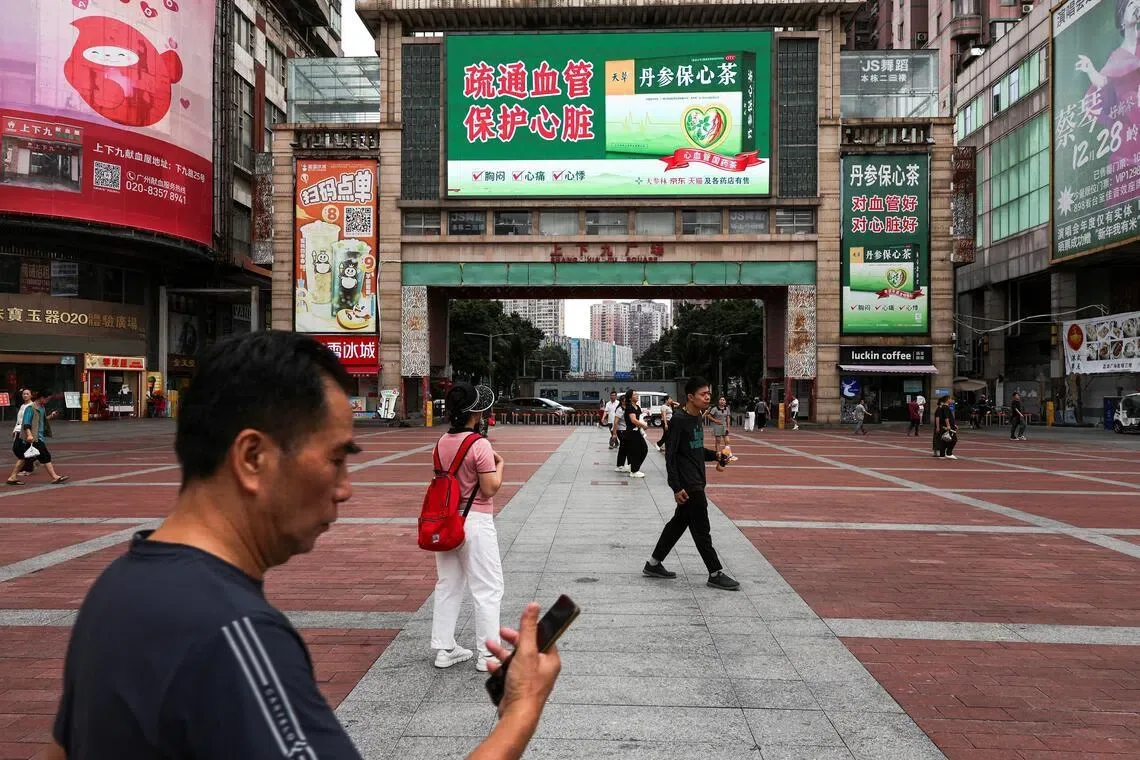
Weak domestic demand weighed heavily on growth. Consumer spending remained sluggish despite a 1% rebound in retail sales in June, following a 0.6% drop in May [1, 3, 4, 5, 7]. The property market continued to struggle, with new home prices falling by 0.1% in June, though the rate of decline eased compared to May [1, 5, 7]. Fixed-asset investment dropped between 5% and 5.7% year-on-year in the first half of 2026, deepening from earlier months [11, 12, 4, 5]. Moody’s Analytics economist Sarah Tan noted, "The latest data continue to show weak private consumption alongside contracting private investment, suggesting that strong external demand is cushioning, but not reversing, softness in the domestic economy" [9].
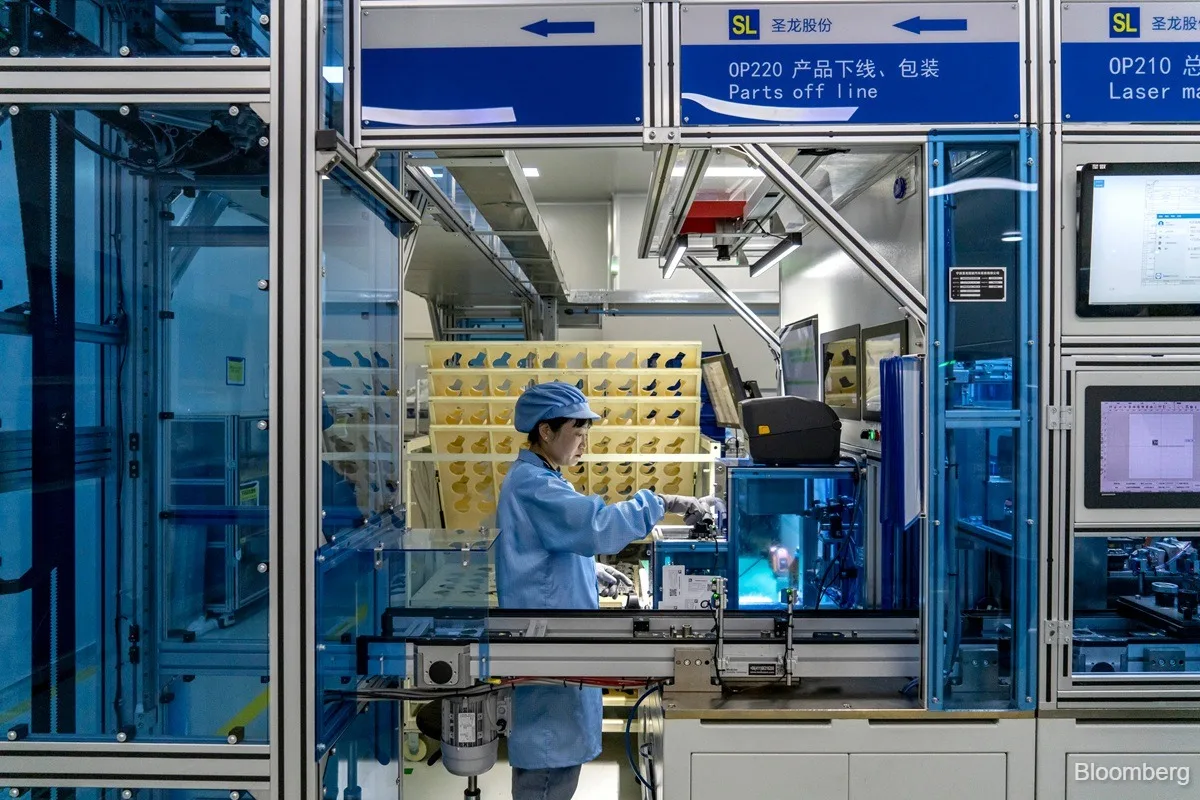
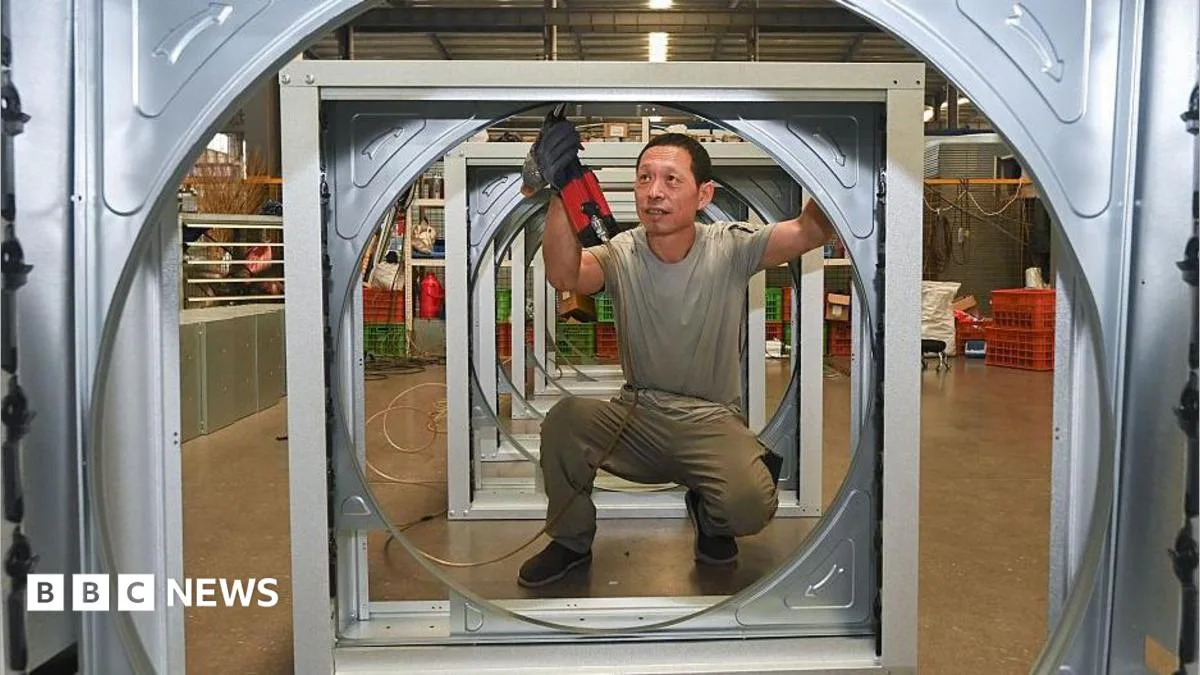
Exports were a rare bright spot, surging 27% year-on-year in June driven by global demand for semiconductors, AI data center chips, and electric vehicles. Strong exports helped support industrial production gains, which rose approximately 5.3% year-on-year in June [1, 7, 8, 9]. UBS chief China economist Song Yu highlighted China’s leading position in the global AI boom as alleviating some economic strain, saying, "If not for this, the economic situation would be much worse" [8].
External factors also depressed growth. The war in Iran starting February 28, 2026, caused oil price shocks that complicated China’s domestic economic environment [1, 3, 7]. The National Bureau of Statistics stated, "There were many instabilities and uncertainties externally, and the supply-demand imbalance was prominent domestically" [4].
The urban surveyed unemployment rate improved slightly, falling from 5.1% in May to 5.0% in June [4]. Meanwhile, the GDP deflator turned positive for the first time in over three years, signaling an end to deflationary pressures [8].
Premier Li Qiang met with experts and entrepreneurs on July 13 and emphasized a "comprehensive and objective understanding" of the economic situation, acknowledging achievements while recognizing challenges. He did not rule out new policy measures to support growth [11, 5, 8]. Policymakers are reportedly considering accelerating government spending and infrastructure investment, with a Politburo meeting planned for late July to discuss possible stimulus [10, 11, 4, 5, 8, 9].