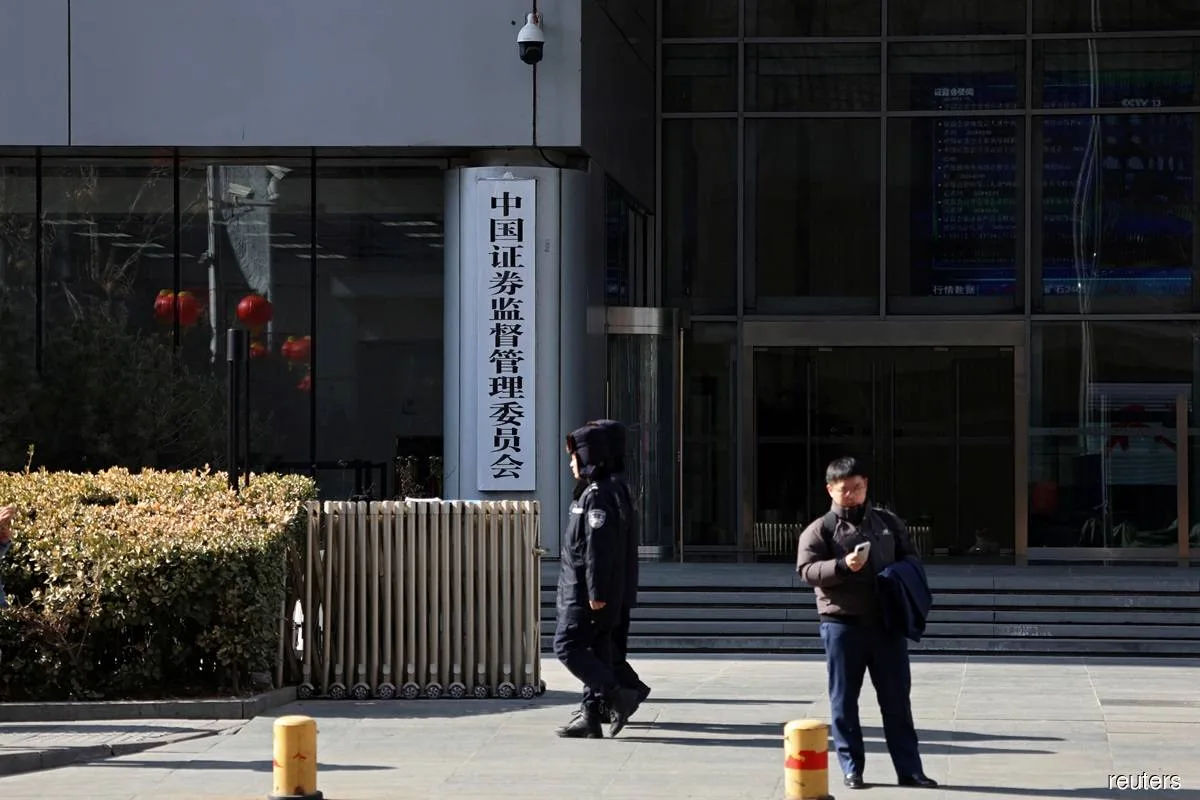
China’s Securities Regulatory Commission (CSRC) instructed domestic brokers to halt offering clients new foreign investment exposure via total return swaps (TRS) starting early this week, affecting key brokerage firms across the country [1, 2, 3]. The measure targets outbound investment flows amid growing volatility in overseas equity markets, particularly in AI and technology sectors, where demand for southbound TRS has surged, according to Morgan Stanley analysts who noted investors seek more access to overseas AI and tech stocks [1, 3].
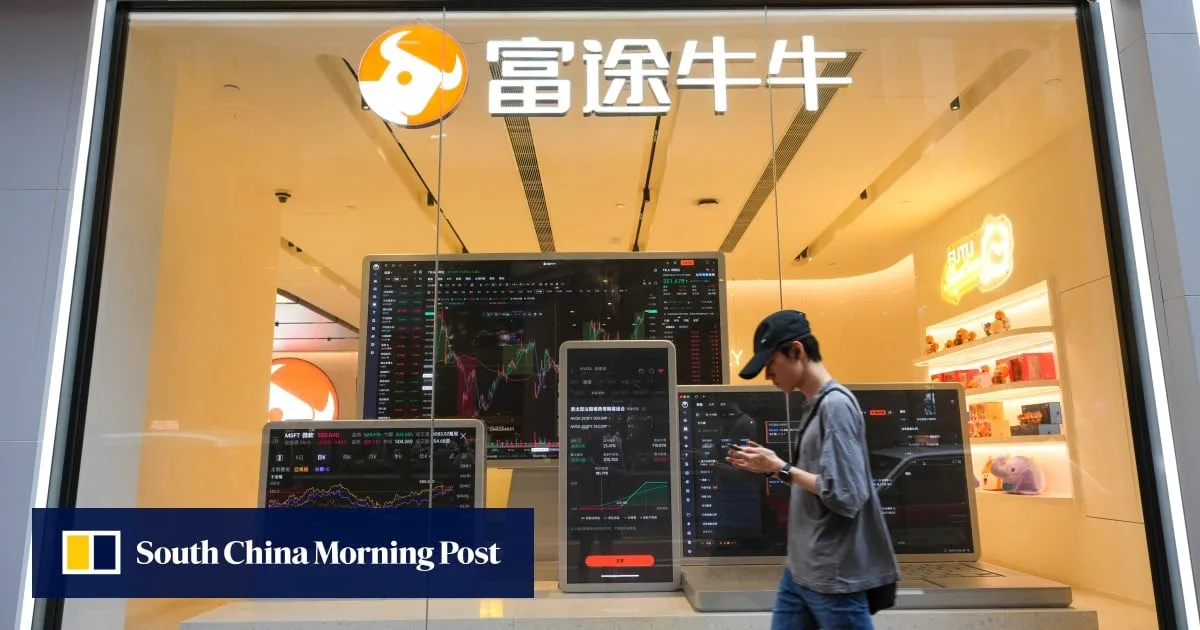
The CSRC’s order follows Beijing’s late May crackdown on illegal cross-border stock trading conducted by unlicensed offshore brokers, including Tiger Brokers and Futu, signaling intensified regulatory scrutiny over cross-border investment channels [1, 3]. CSRC chief lawyer Cheng Hehong emphasized the need earlier this month to strengthen regulations around cross-border investment and trading as part of the broader effort to manage risk [1, 3].
China’s total exposure to TRS linked to overseas equities is estimated at roughly 500 billion yuan (around US$73.5 billion or S$95.1 billion), with some private funds holding up to 30% of their portfolios invested in Hong Kong and US stocks via TRS contracts [1, 3]. The new restrictions mean that most outstanding TRS cannot be rolled over upon expiry, impacting these funds directly [1, 3].
About 10 brokerages in China are licensed to conduct TRS business, including China International Capital Corp (CICC), Citic Securities, and China Galaxy Securities [1, 3]. The CSRC implemented the orders through "window guidance," a form of verbal instruction to domestic brokers rather than a formal public announcement [2]. Existing offshore-linked TRS portfolios are not subject to immediate liquidation, but the expansion of both new and existing TRS exposure has been suspended [2].
Clients at multiple brokerages were notified on the evening of June 23 that they could no longer add new overseas investment exposure via TRS contracts [1, 3]. Morgan Stanley analysts suggest the halt aims at managing increased risk exposure amid turbulent overseas markets [3].
The latest regulatory actions reflect China's tighter controls on outbound investments, particularly in high-risk sectors. The CSRC will continue monitoring compliance, with further regulations expected as authorities seek to stabilize cross-border capital flows.