China tightened oversight of its 23 trillion yuan (US$3.4 trillion) private fund industry on June 5 to reduce financial risks and redirect capital into technology innovation and emerging sectors. The China Securities Regulatory Commission (CSRC) said it plans to raise registration standards for private funds, clamp down on illegal fundraising, and promote long-term "patient" capital to back tech-focused venture capital firms [1, 2, 3].
The CSRC described the industry as large but weak, with funding imbalances and some funds misused for criminal purposes. It announced it will establish a cross-agency monitoring platform and increase scrutiny of government-backed funds. The regulator said "strengthening oversight of private funds will help remove bad actors, create a sound environment for the industry ...and protect investors" [1]. This move follows a crackdown on cross-border investments and tighter capital controls unveiled two weeks earlier amid Sino-US tensions with a focus on boosting the technology sector [1, 2, 3].
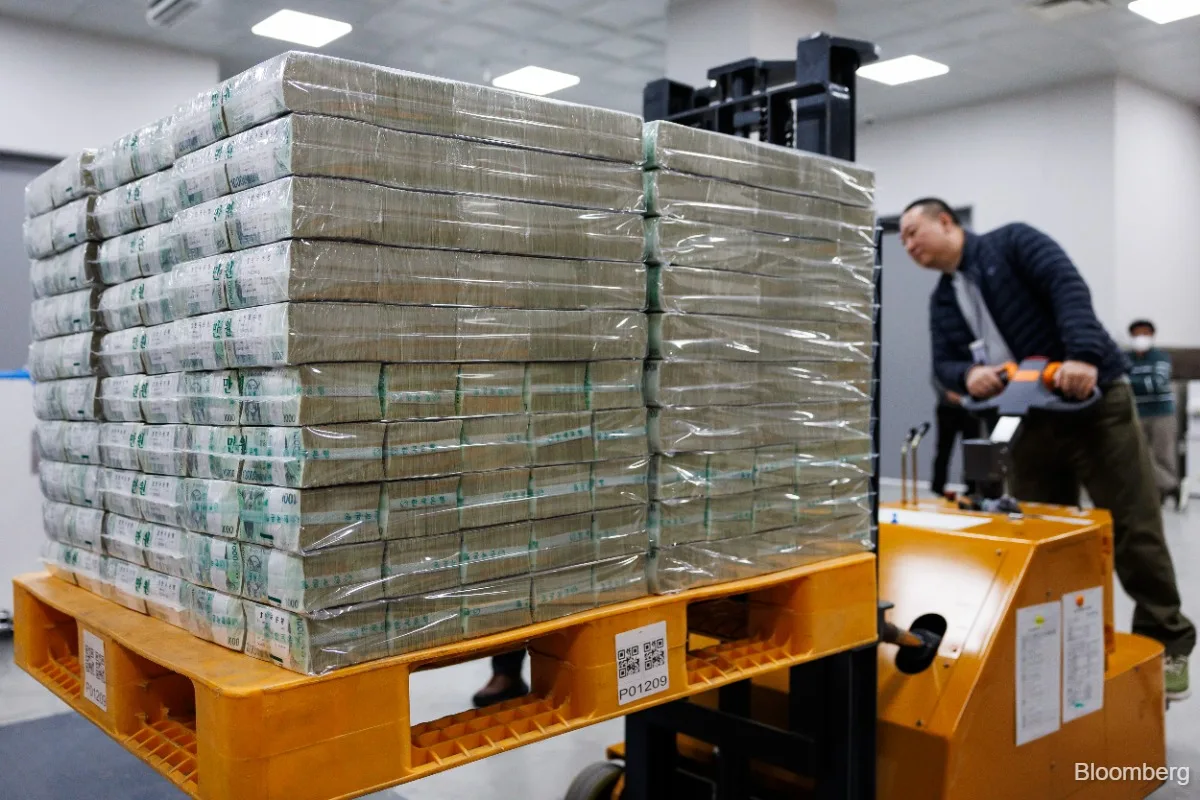
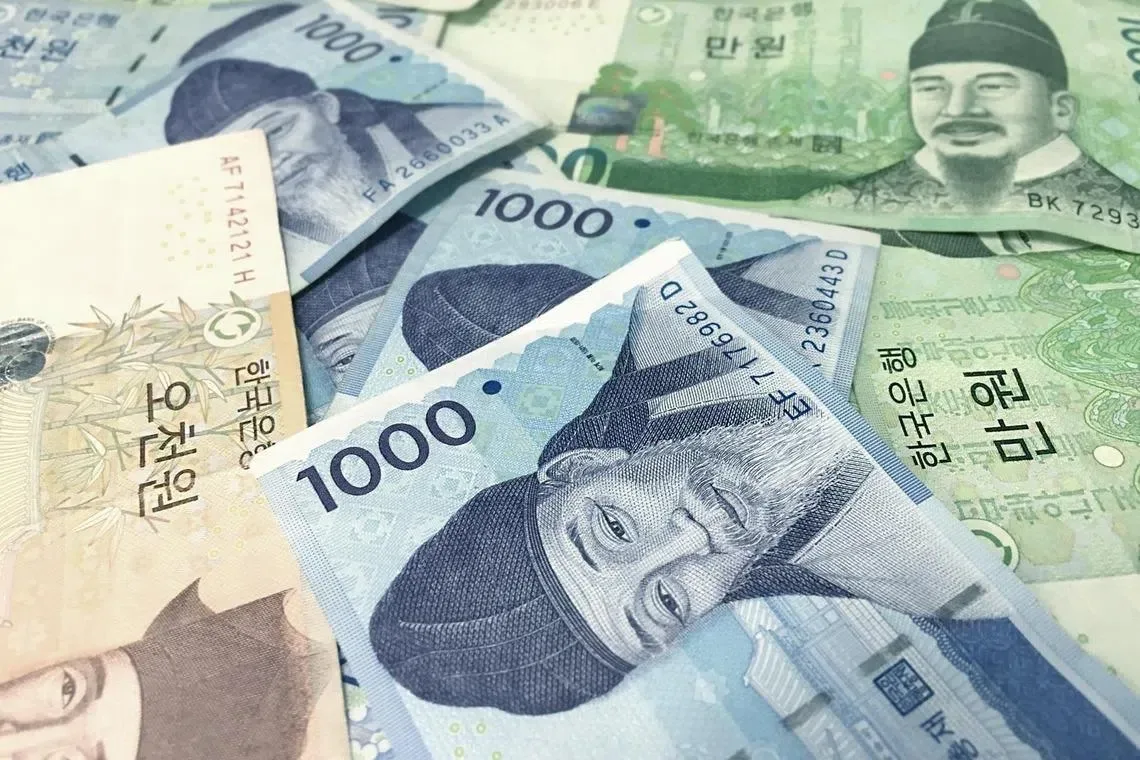
Meanwhile, South Korea faced sharp pressure on its currency as the won fell to its weakest level since 2009, dropping to around 1,562 per US dollar on June 5 after losing more than 7.5% in 2026 [4, 5, 6]. Finance Minister Koo Yun-cheol called an emergency meeting on June 7 and pledged firm action against speculative and illegal trading affecting the currency. He said, "We will not tolerate excessive volatility or one-sided moves in the foreign-exchange market" [5].
South Korea unveiled a detailed plan to tighten scrutiny of offshore currency derivatives, inspect suspected market misconduct, and investigate illegal foreign-exchange transactions. Regulators will check if exporters and importers manipulated import payments or export receipts to profit from won depreciation. The Bank of Korea and Financial Supervisory Service will conduct inspections and take strict action against violations [5, 7, 6].
The National Pension Service also intervened by selling dollars in the forwards market to hedge against won weakness [7]. Following these measures, the won rebounded on June 8, climbing as much as 1.6% to 1,533.65 per dollar, a level last seen before the recent slide. Economist Gyeong-won Min said, "The plan appears to have temporarily cooled overheated long-dollar sentiment. Whether that continues is uncertain" [7].
China and South Korea’s efforts this week aim to stabilize key financial sectors amid global and regional pressures. South Korea’s ongoing investigations into market misconduct and currency intervention will be closely watched in the coming weeks.