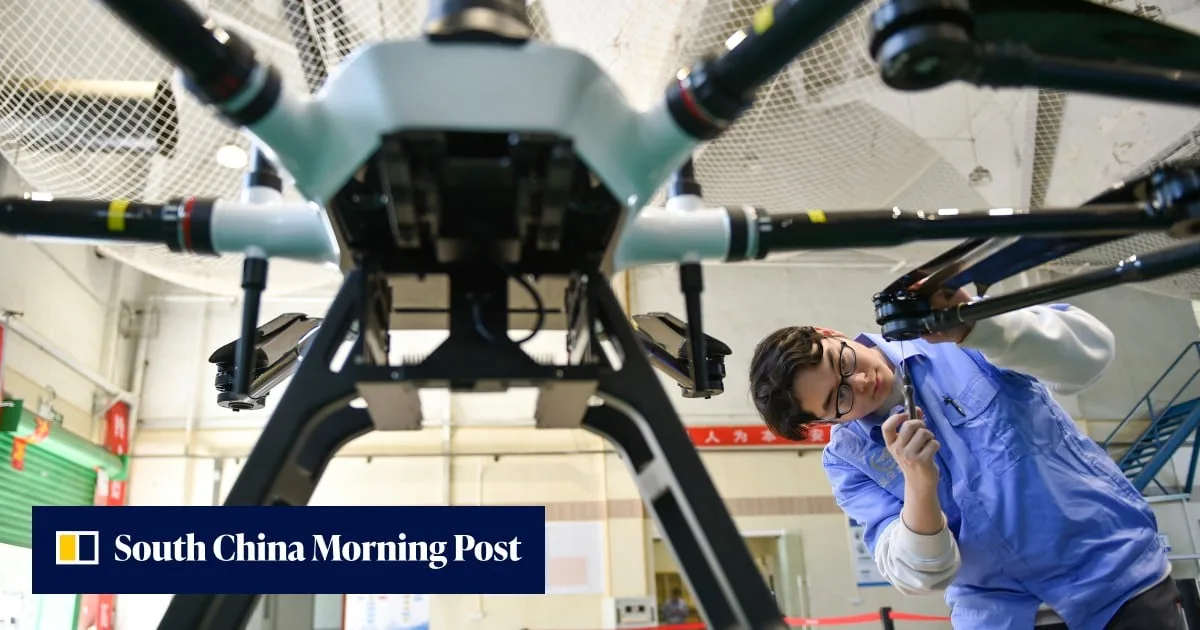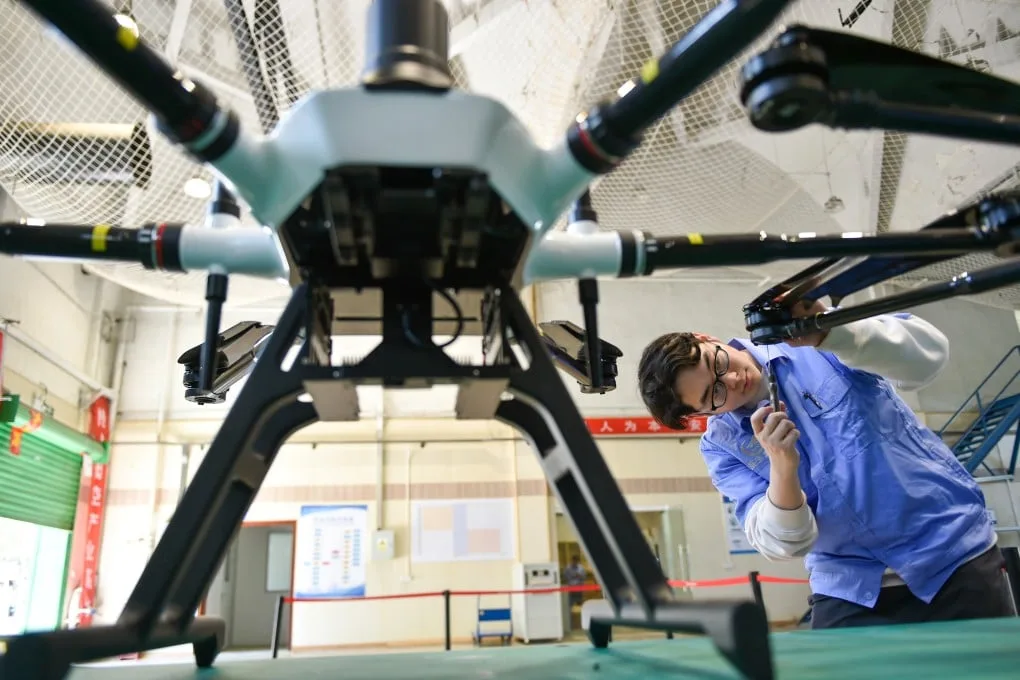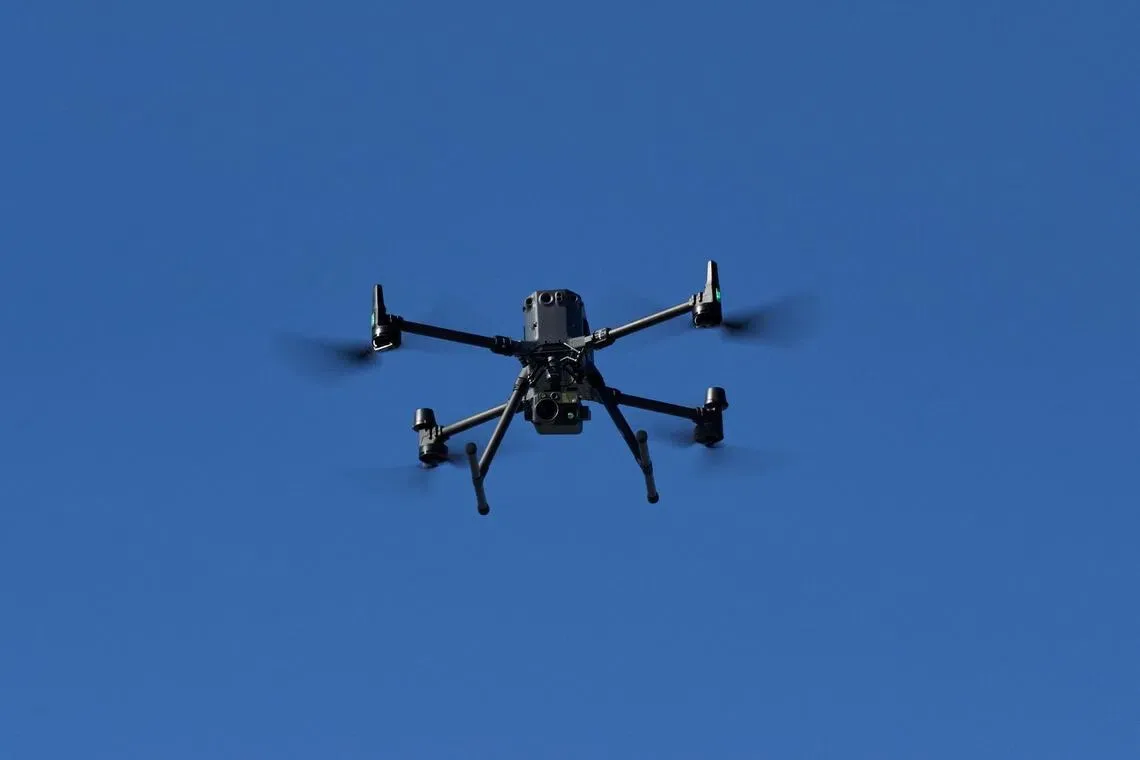
On August 13, 2026, US President Donald Trump signed a proclamation imposing tariffs of up to 100% on imported drones and certain drone components, citing national security concerns [1, 2, 3]. The tariffs mainly target drones weighing over 25 kilograms (55 pounds), drones equipped with thermal imaging, and key critical parts [2, 3]. Most of the tariffs are scheduled to take effect on September 3, 2026 [1, 2].
China strongly opposes the tariffs, labeling them unilateral, protectionist, discriminatory, and an overstretch of the national security concept [1, 2, 3]. He Yadong, a spokesman for the Chinese Commerce Ministry, said: "The US measures overstretch the concept of national security, discriminate against relevant Chinese products, disrupt the global drone supply chain and further undermine a fair and competitive market environment. China firmly opposes this" [1]. He added that Washington should withdraw the tariffs immediately to avoid serious harm to Chinese companies and disruption of cooperation in the global drone supply chain [2]. He called the tariffs "unilateralism and protectionism carried out under the guise of ‘national security’" and said China is "strongly dissatisfied with and firmly opposed to this" [3].
He Yadong also emphasized that Chinese drones exported to the US are primarily for civilian uses such as agriculture, equipment inspections, and film and television production, countering US national security claims [3]. He rejected US allegations of a "shadow transshipment network" intended to evade tariffs as false and a distortion of normal trade [3].
DJI, a Chinese company founded in 2006, holds more than two-thirds of the global drone market but has been on the US military-linked entity list since 2022 [1]. Chinese drone exports to the US have already dropped sharply following the tariff announcement, with some models showing significant shipment declines in July [2].
The September 3 implementation deadline for the tariffs is approaching, setting the stage for escalating trade tensions as China presses the US to reverse the new levies to protect its drone exports and global supply chains [1, 2].