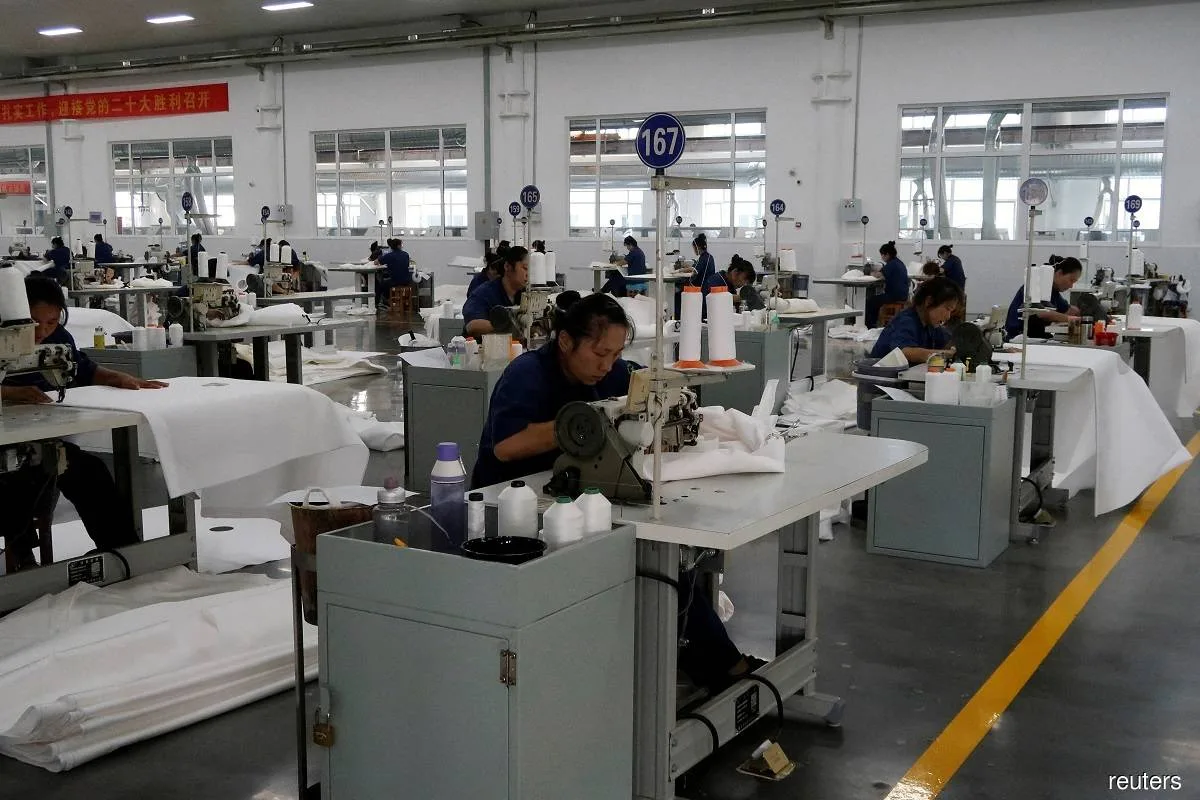
China’s official manufacturing purchasing managers’ index (PMI) held at 50 in May 2026, indicating flat factory activity, down slightly from 50.3 in April [1, 2]. The official PMI showed production at 51.2 but new orders slipped marginally to 49.9, reflecting weak domestic demand and rising production costs that pressured the sector [1]. In contrast, China’s private manufacturing PMI survey recorded a reading of 51.8 in May, down from 52.2 but still above expectations, suggesting slower yet positive growth. The private survey noted a slight fall in new export orders and a mild contraction in employment [2]. Yao Yu, founder of RatingDog, said, "While the rate of growth eased, it remained among the highest observed over the past five years" [2].
High-tech and equipment manufacturing outperformed, with PMI levels of 52.9 and 52.1 respectively, indicating stronger activity in these subsectors compared to the overall sector [1]. However, China’s economy showed mixed momentum with retail sales hitting a 40-month low in April even as some domestic tourism and spending picked up during the May 1 holiday [2].
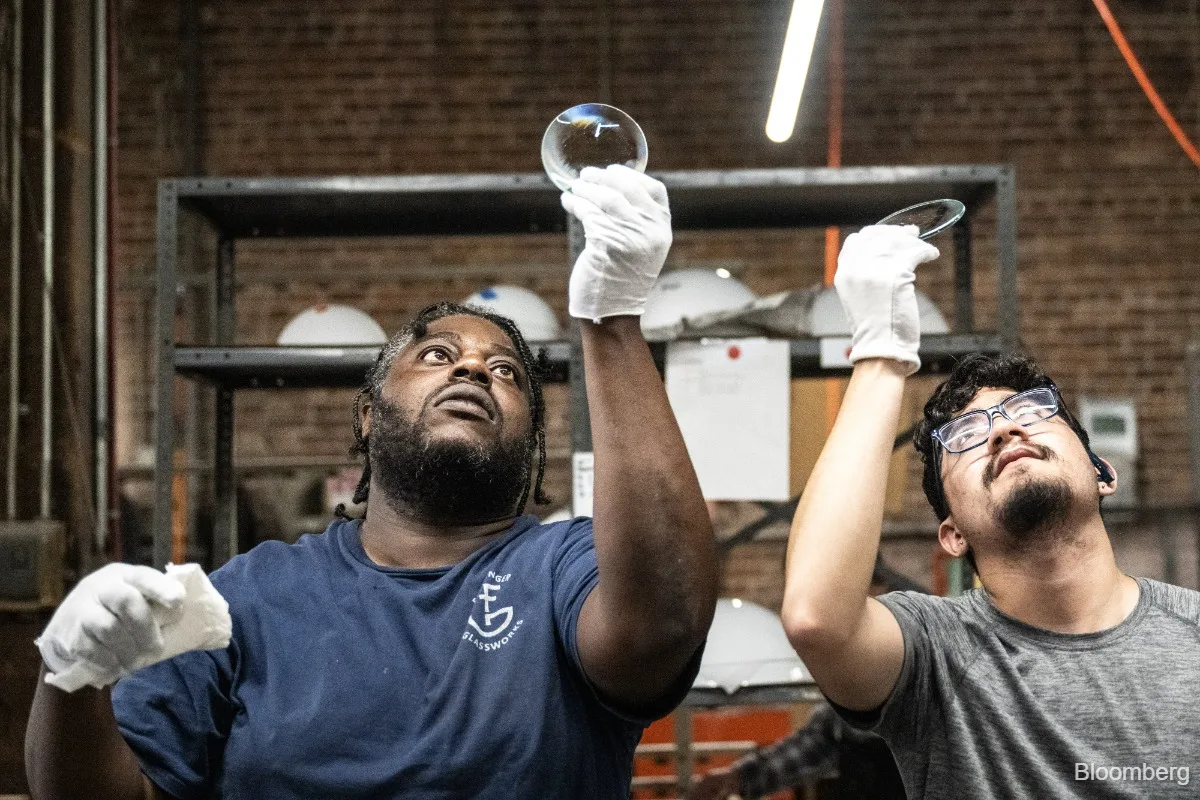
In the US, manufacturing activity surged in May 2026. The Institute for Supply Management (ISM) manufacturing PMI rose to 54, the fastest expansion pace in four years [3]. New orders reached a four-month high and factory production increased, highlighting strong demand. US producers faced sharply rising material costs driven by ongoing Middle East conflicts and higher oil prices, adding pressure on supply chains [3].
These figures illustrate diverging manufacturing trends between the two economies in May. China’s official data points to stagnation while private data shows moderate growth. Meanwhile, US factories are expanding rapidly despite input cost challenges.
Key readings due next month will offer further clarity on the durability of these trends in global manufacturing.