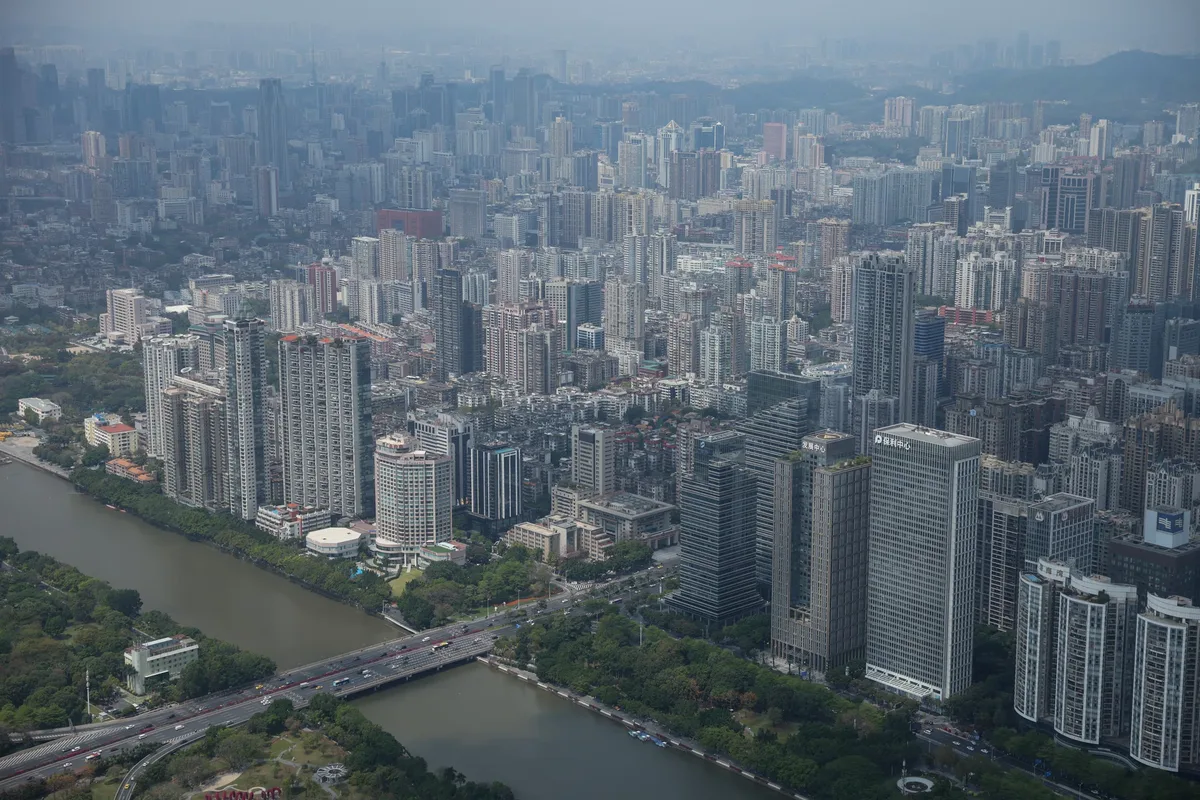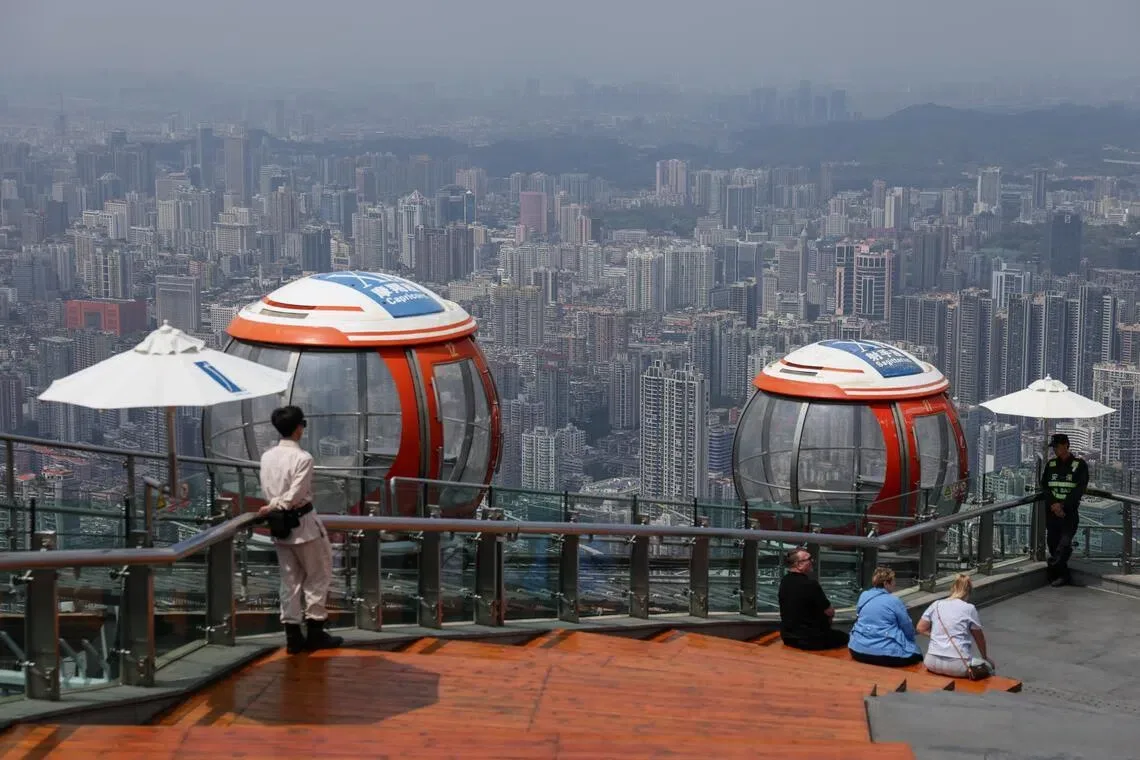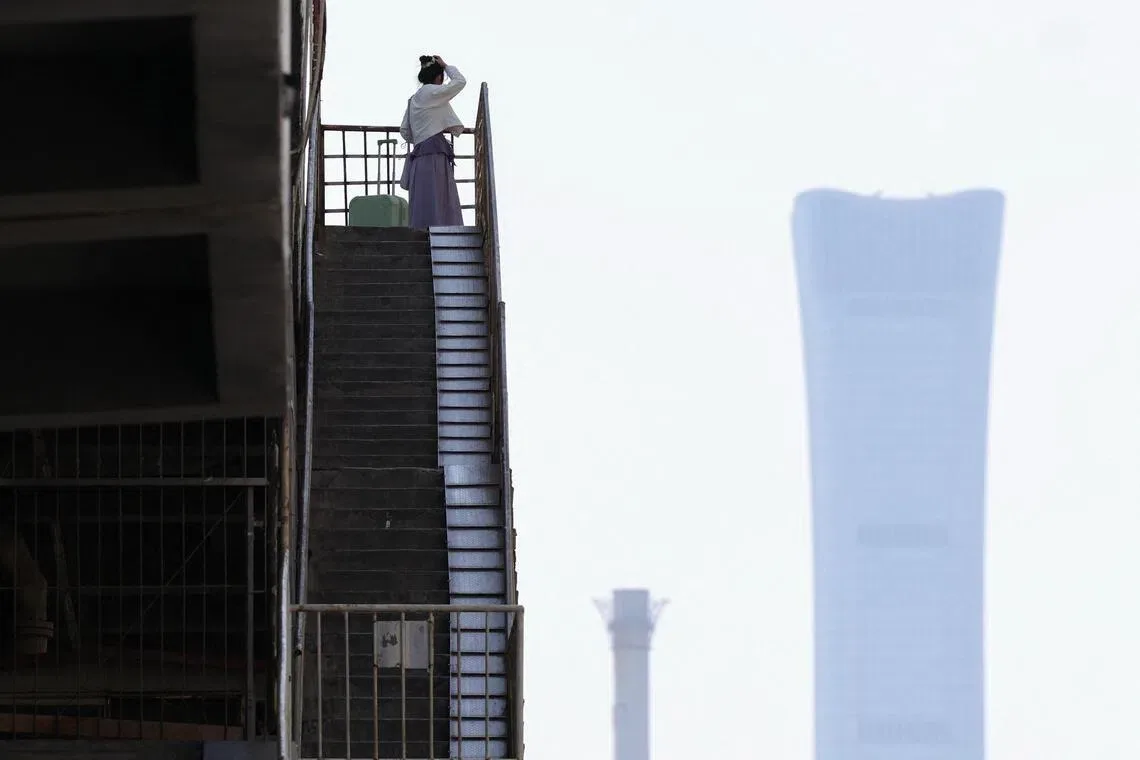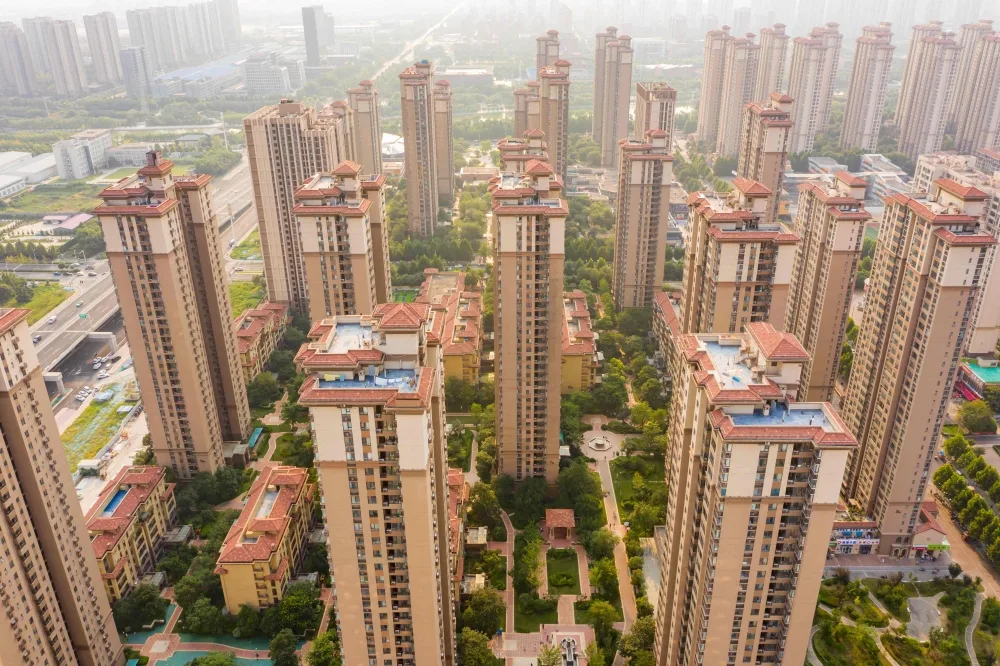
Property service providers across China are facing sharp declines in management fee collections, damaging their revenue and further impacting already falling home prices. Many homeowners, particularly those owning unoccupied flats purchased before the 2021 real estate bubble burst, refuse to pay fees, viewing them as unnecessary administrative costs when property values are declining [1, 2].
Distressed developers also owe fees on unsold apartments located in partly vacant housing compounds. China’s unsold housing stock now covers a floor area roughly twice the size of Greater London, illustrating the scale of the market glut [1, 2].
Industry research shows the average fee collection rate among China’s top 500 property firms dropped sharply to 71% in 2025 from 89% in 2021, reflecting widespread payment issues linked to changing homeowner expectations as home values fall [1, 2]. He Shuhua, COO of property services firm Onewo, said, “Risks from the broader real estate slowdown are spilling over into the property management industry.” He added, “Falling home prices have changed homeowners’ expectations” and that “difficulties in collecting fees is a common problem across the industry” [1, 2].
As fees drop, property management companies are abandoning more projects, leading to deteriorating living conditions with uncollected waste, broken lighting and elevators, and unmanned security posts. Local governments are increasingly pressured to intervene, bringing in state-backed firms to maintain essential services and ease rising homeowner conflicts [1, 2].
The worsening fee collection problem was confirmed by industry executives in early June 2026, who said the sector’s struggles have intensified since 2025, causing further damage to property management operations [2]. Authorities and the market will be monitoring how service providers navigate these challenges and whether government-backed solutions become more widespread.