The National Audit Office released a report on June 23 and 24 detailing major financial irregularities at several of China’s largest state-owned banks [1, 2, 3].
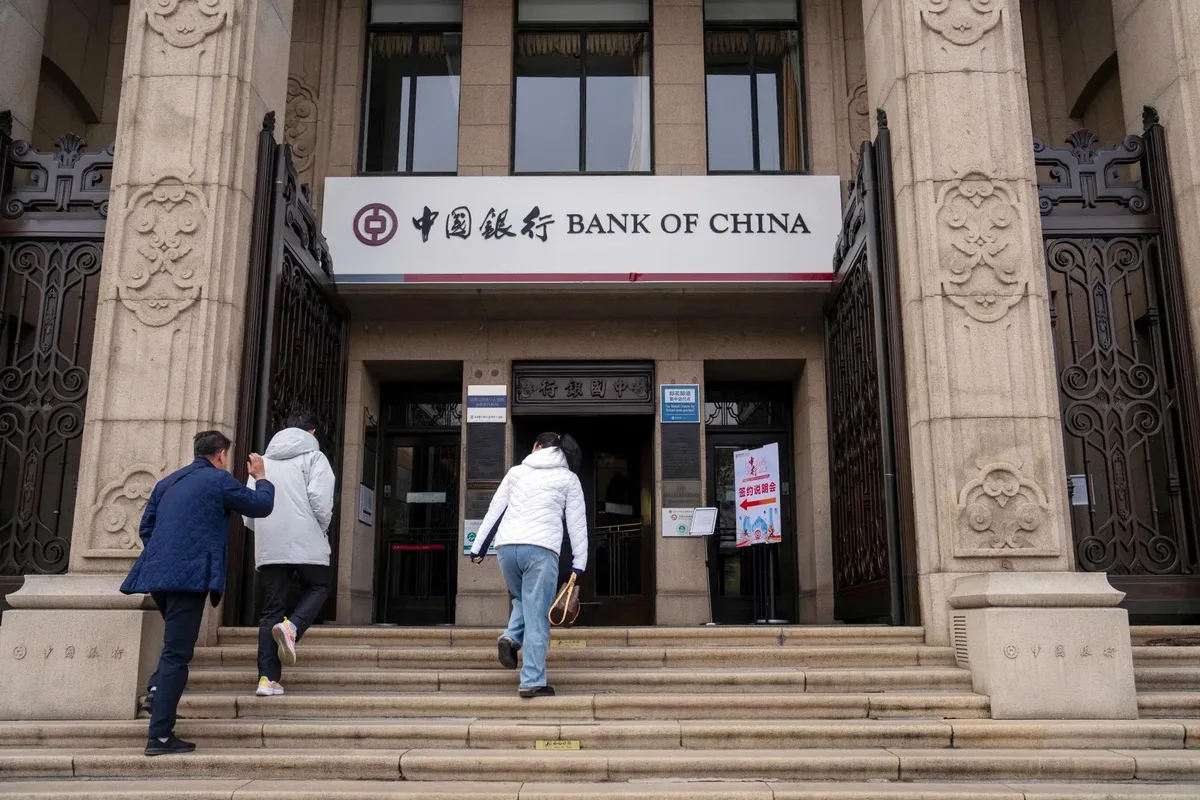
Bank of China evaded approximately 2.37 to 2.4 billion yuan (about US$348 million) in taxes from April 2023 to August 2025 by disguising 11 private funds as public mutual funds through employee investments [1, 2, 3, 4]. The bank used two affiliated financial firms as conduits. Numerous employees acted as nominal investors, each contributing small amounts between 1 and 100 yuan, to exploit corporate income tax exemptions applied only to public funds [2, 3, 4]. Bank of China said it “sincerely accepts the audit supervision” and pledged to enhance risk and compliance management following the auditor’s demands [3, 4].
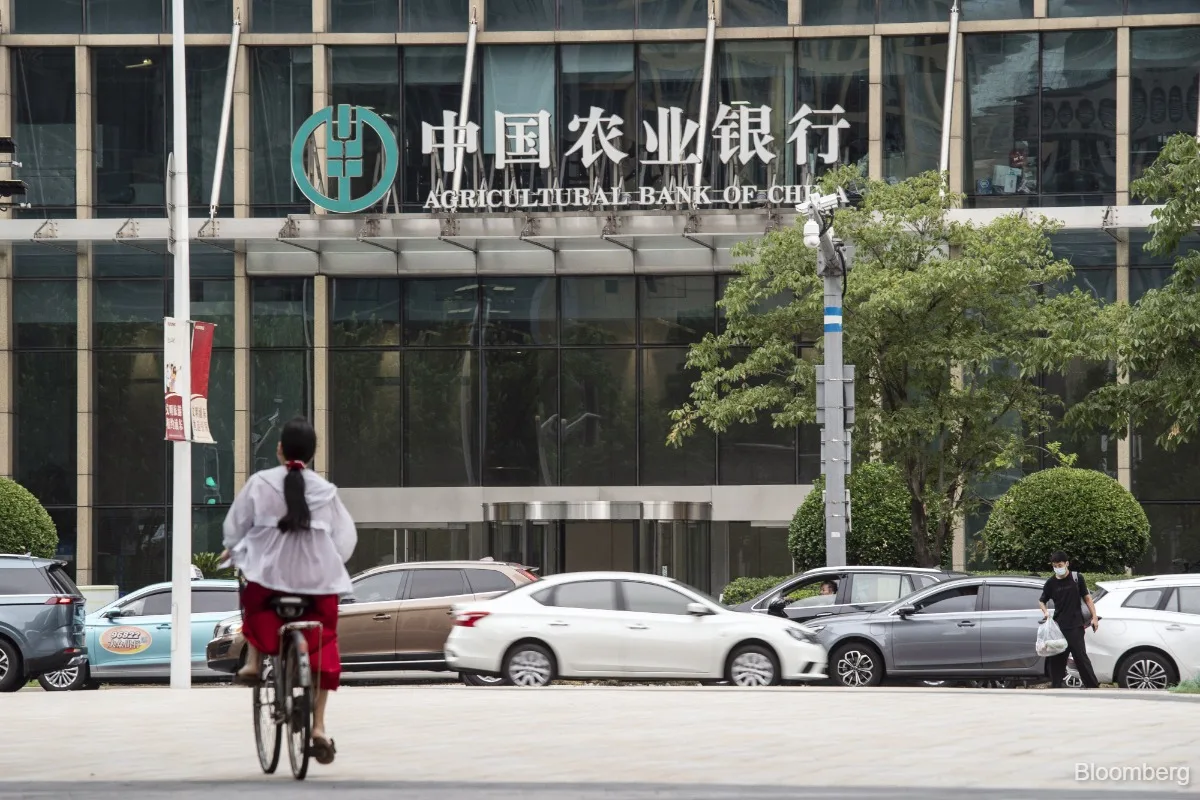
The Agricultural Bank of China improperly issued loans totaling between 11 billion to 11.07 billion yuan to farmland projects from December 2021 through August 2025, according to the report [3, 4]. Some of these funds were diverted for use in wealth management products and repaying other debts, violating loan qualification regulations [3, 4].
China Everbright Group was also cited for governance failings and lack of effective controls over subsidiaries as of August 2025. Some subsidiaries were found to misuse the Everbright brand name, the report said [3, 4].
The National Audit Office’s findings were submitted to China’s legislature and made public in late June 2026, shedding light on oversight weaknesses at major state banks [1, 2, 3]. The Bank of China committed to comply with rectification measures set by auditors to address the tax evasion scheme and strengthen internal controls [3, 4].