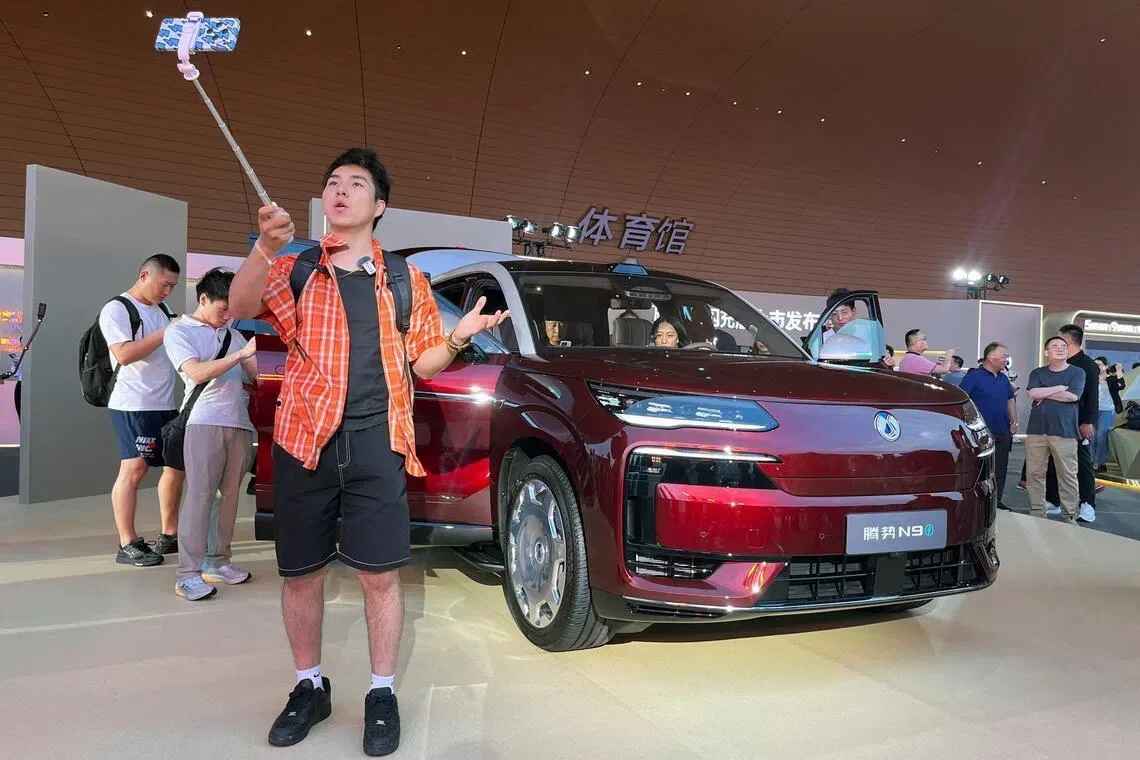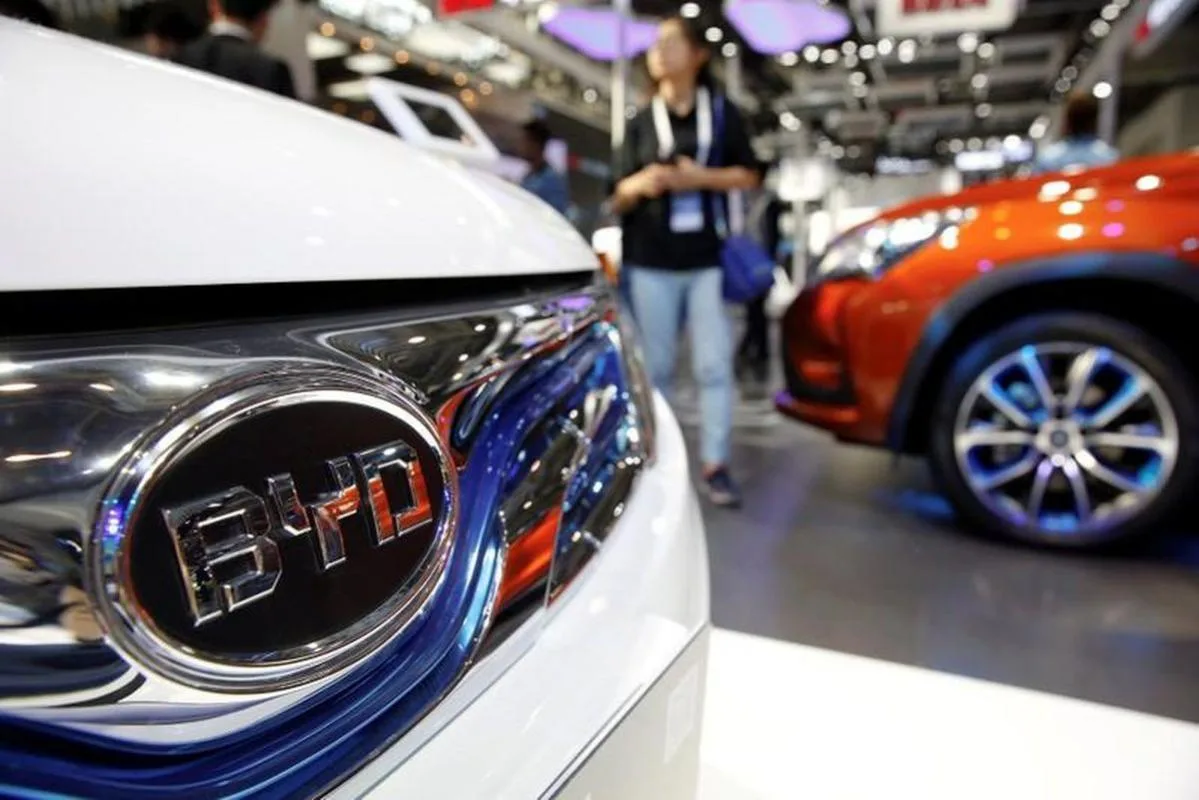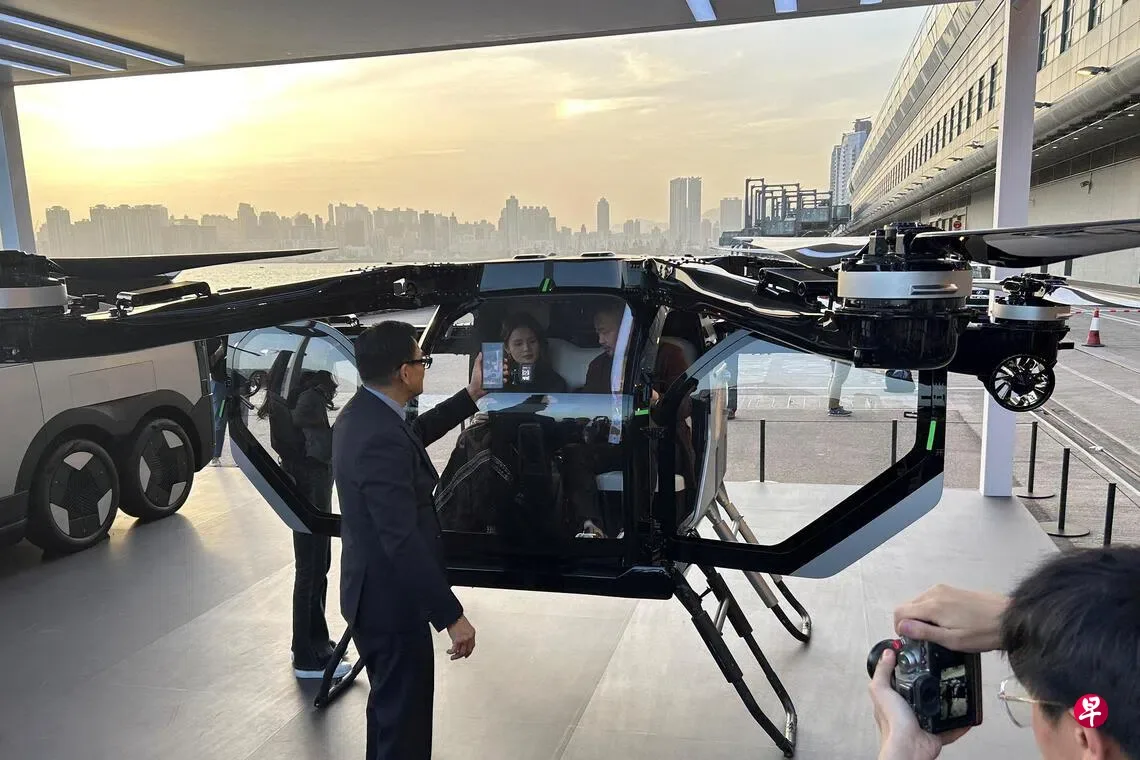
Chinese automakers such as BYD, Zeekr, Hongqi, and MG unveiled new products and market plans aimed at affluent buyers in right-hand-drive regions including Hong Kong, Australia, and Southeast Asia at the Hong Kong auto show on June 18, 2026 [1, 2, 3].
Electric vehicles have captured more than 80% of new private car registrations in Hong Kong in the first four months of 2026, surpassing Japanese brands in the luxury and taxi segments [1, 2]. BYD established a significant position in Hong Kong's taxi fleet, replacing Toyota models like the Crown Comfort, while Zeekr's 009 model and Denza D9 outsold Toyota Alphard vehicles in the same timeframe [1, 2].
Rising fuel prices since March 2026, caused by geopolitical tensions, have boosted global consumer interest in electric vehicles. UBS analyst Paul Gong said, "High oil costs since March have rejuvenated China's EV sector, sparking fresh global interest and creating opportunities for Chinese automakers" [2].
China's domestic automotive market is weakening, driving manufacturers to expand aggressively overseas, particularly into right-hand-drive markets [2, 3]. Dongfeng Motor plans to launch 55 new models in foreign markets over the next five years [2, 3].
Toyota's market share declined by 1.4% in Southeast Asia and 4.1% in Oceania in early 2026, while Chinese brands including Chery and BYD increased their presence [1, 2].
Zeekr is positioning itself as a premium electric vehicle brand targeting customers beyond price considerations. Mars Chen, Zeekr's chief marketing officer, said, "Price was not the main factor drawing customers to the firm’s models, citing other features like air suspension and seat massage." He added that in markets like Australia, Southeast Asia, and Hong Kong, "the higher the EV penetration rate, the stronger the brand recognition for Zeekr" [3].
The Hong Kong auto show highlighted Chinese automakers' strategies to leverage rising electric vehicle demand and shifting regional market dynamics. The next key developments will be Dongfeng’s rollout of new models across overseas markets planned through 2031 [2, 3].