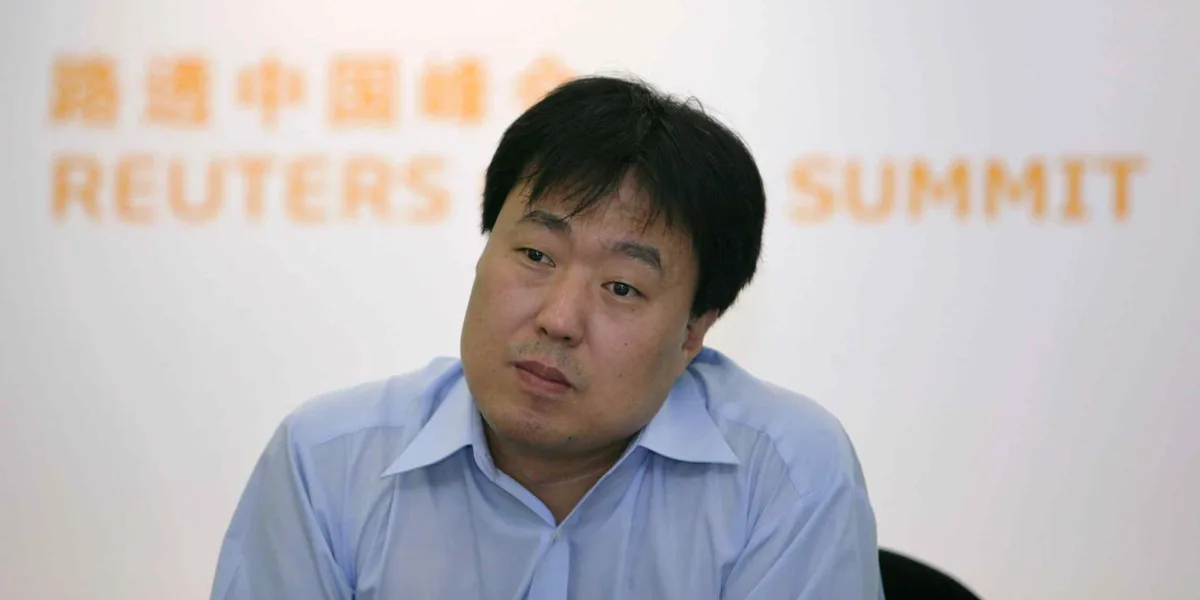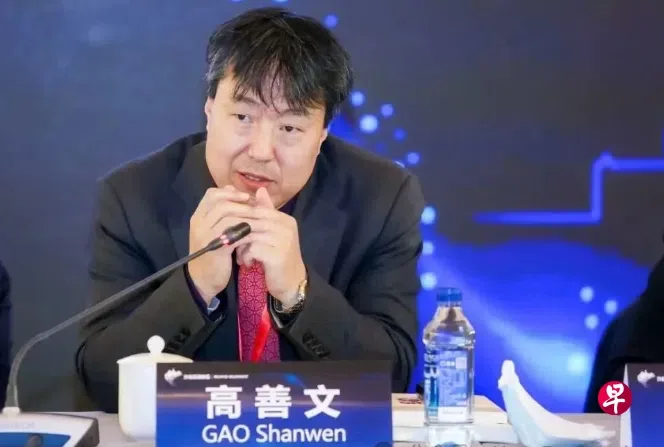
Chinese economist Gao Shanwen died on July 7, 2026, from illness including cancer, aged 54 or 55 according to different sources [1, 2, 3, 4, 5]. Gao was a well-known macroeconomist and former adviser to the People’s Bank of China (PBOC) [1, 2, 6, 5].
Born in September 1971, Gao held a PhD from the PBOC’s graduate school, now the Wudaokou School of Finance at Tsinghua University [2, 5]. He began working at the PBOC in 1995 and later became chief economist at Everbright Securities in 2003 [1, 2, 5]. In May 2007, he joined Essence Securities (renamed SDIC Securities) as chief economist, serving for 18 years until he left in November 2025 [1, 2, 5].
Gao gained prominence in December 2024 when he publicly challenged the reliability of China’s official GDP growth data at a Shenzhen investor conference [1, 2, 3, 4, 5]. He estimated the actual economic growth rate was about 2%, significantly lower than the official figure near 5%. He stated, "The economy was probably expanding at an average pace of around 2 per cent — much lower than the officially reported pace of close to 5 per cent" [3].
Later that year, Gao’s candid description of post-pandemic Chinese society as "full of vibrant old people, lifeless young people and despairing middle-aged people" sparked controversy [1, 2, 3, 4, 5]. His speech was censored, and his social media presence was restricted amid official investigations and disciplinary actions following his remarks on GDP data [1, 3, 4].
In earlier years, Gao had warned about the risks to China’s economic rise from deteriorating US-China relations. In a 2018 speech, he cautioned that young Chinese risked stagnation without cooperation between the two countries [3, 4].
Gao’s death closes a chapter in China’s economic discourse marked by his outspoken challenges to official narratives. The reports of cancer and illness as causes of death come after his departure from SDIC Securities less than a year ago [1, 2, 3, 4, 5]. Authorities have not released further details. Investigation into his professional conduct following his public critiques was confirmed by multiple sources [1, 3, 4].