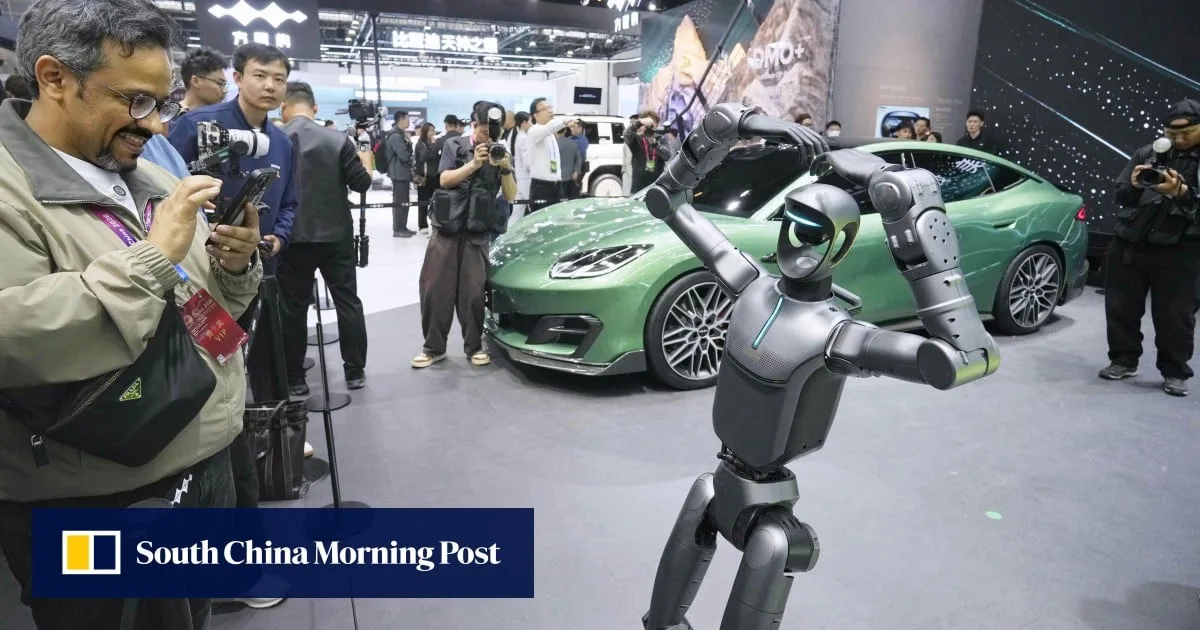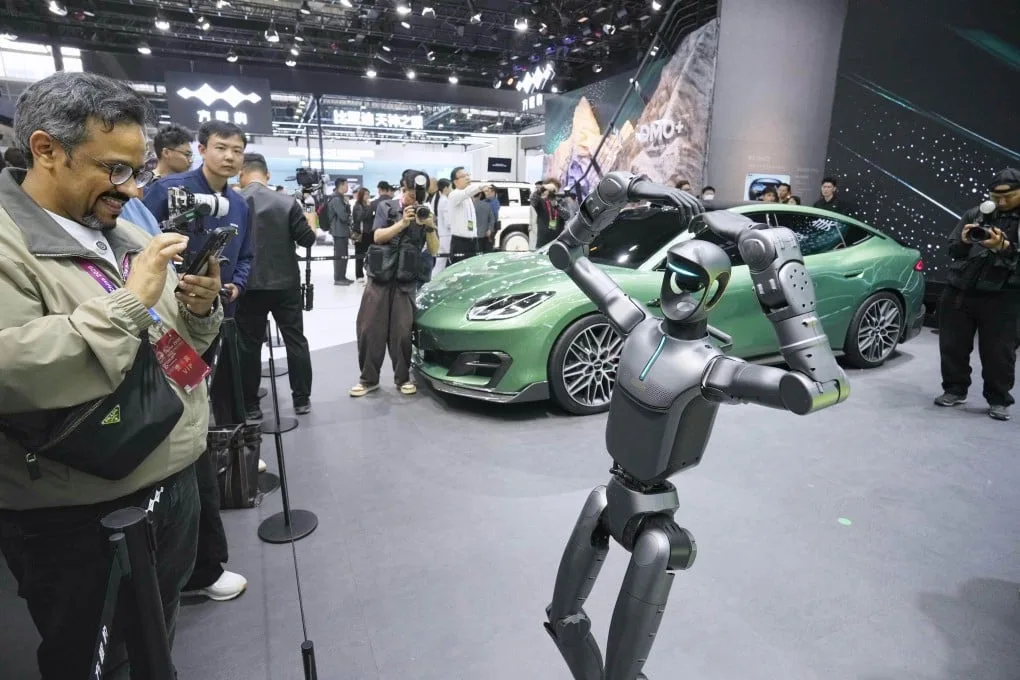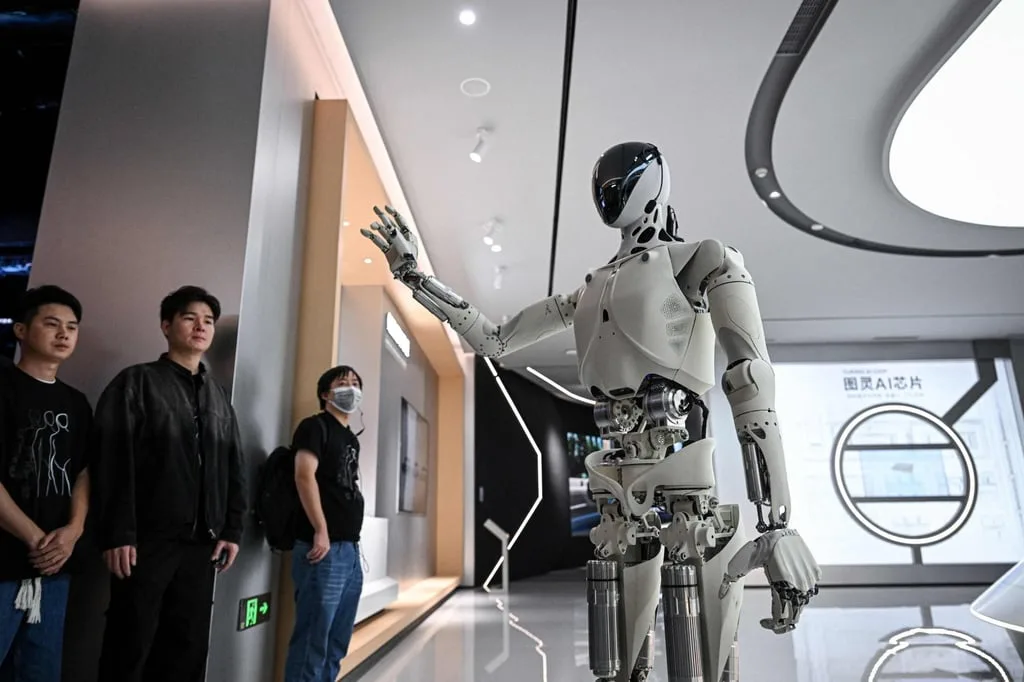
Chinese electric vehicle makers such as BYD and Xpeng are accelerating plans to mass-produce humanoid robots, broadening competition with Tesla beyond electric cars and self-driving technologies [1, 2]. BYD has made significant investments in artificial intelligence and intends to distribute humanoid robots worldwide through its dealer network. Stella Li, BYD’s executive vice-president, believes China will be the first market with full commercialization of humanoid robots, though she noted, “it will take some time before we reap the rewards” of their AI investments [1].
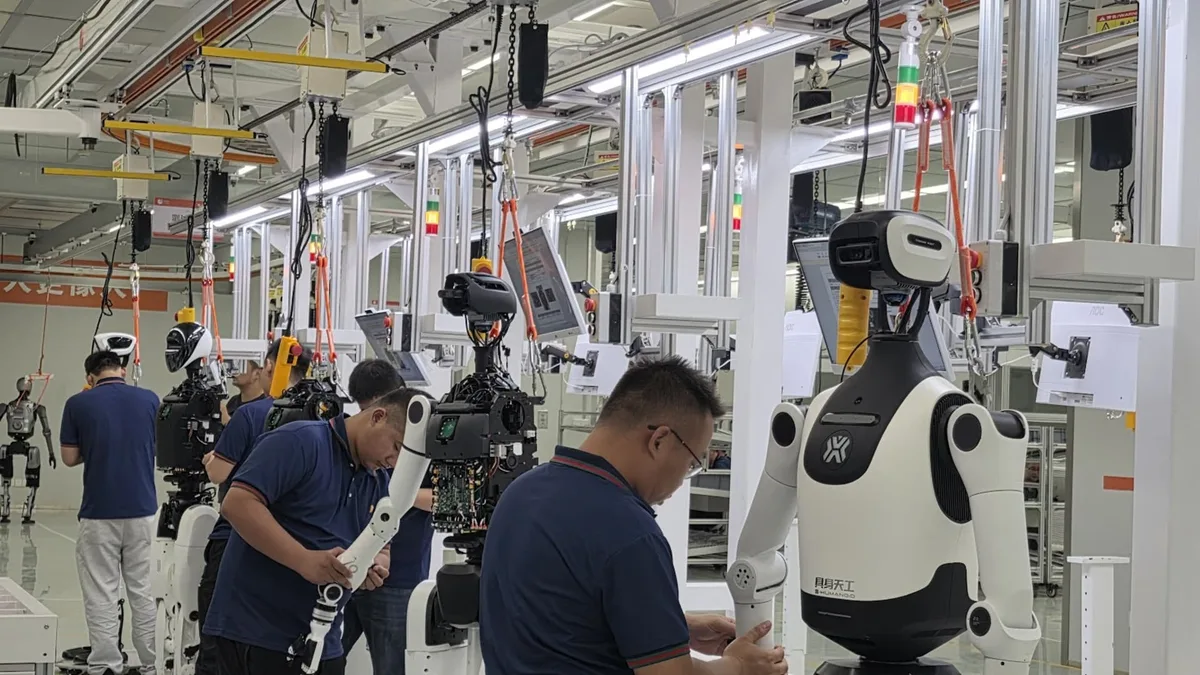
Lingyi iTech, a 20-year-old smartphone and electronics company, opened a humanoid robot factory in Beijing in April. It has produced about 300 robots so far and targets producing 10,000 units in 2026, rising to 500,000 annually by 2030 [3]. Philip Yang, Lingyi’s vice president, said large-scale production could halve the current average humanoid robot price of roughly $30,000 [3]. The Beijing government launched a showroom in August exhibiting humanoid models priced from 199,000 yuan (~$29,400) to 349,999 yuan (~$51,600), including Booster T1 and Galaxea’s R1 Pro robots with different locomotion systems [3].
China’s humanoid robot market features more than 100 startups developing machines capable of household tasks such as dancing and serving coffee [3]. However, demand remains modest, with most buyers ordering only one or two units so far, and repeat sales have yet to be established. Bain partner Xin Cheng emphasized, “The humanoid is not a single product. It is an ecosystem,” involving AI software, manufacturing, data training, and component supply chains [3]. Analyst Lian Jye Su noted embodied intelligence depends on the convergence of AI and robotics [3].
Nvidia is teaming up with manufacturer Unitree to launch a robotics system for developers later in 2026. Unitree is also preparing a Shanghai IPO to fund its expansion [3].
As competition intensifies, Chinese EV makers continue pushing humanoid robots toward mass-market commercialization with ambitious production and sales targets scheduled for 2026 and beyond.