Chinese firms operating in Indonesia have called on the government to adopt more business-friendly policies following sharp reductions in nickel ore mining quotas, increased taxes, and a revised pricing formula that raises costs across the sector [1, 2].
On May 13, the China Chamber of Commerce in Indonesia delivered a letter to President Prabowo Subianto, copied to China’s embassy, warning that "excessively stringent regulation" and "over-enforcement" are harming operations and investment prospects [1, 2]. The letter also cited alleged corruption and extortion by local authorities as additional challenges.
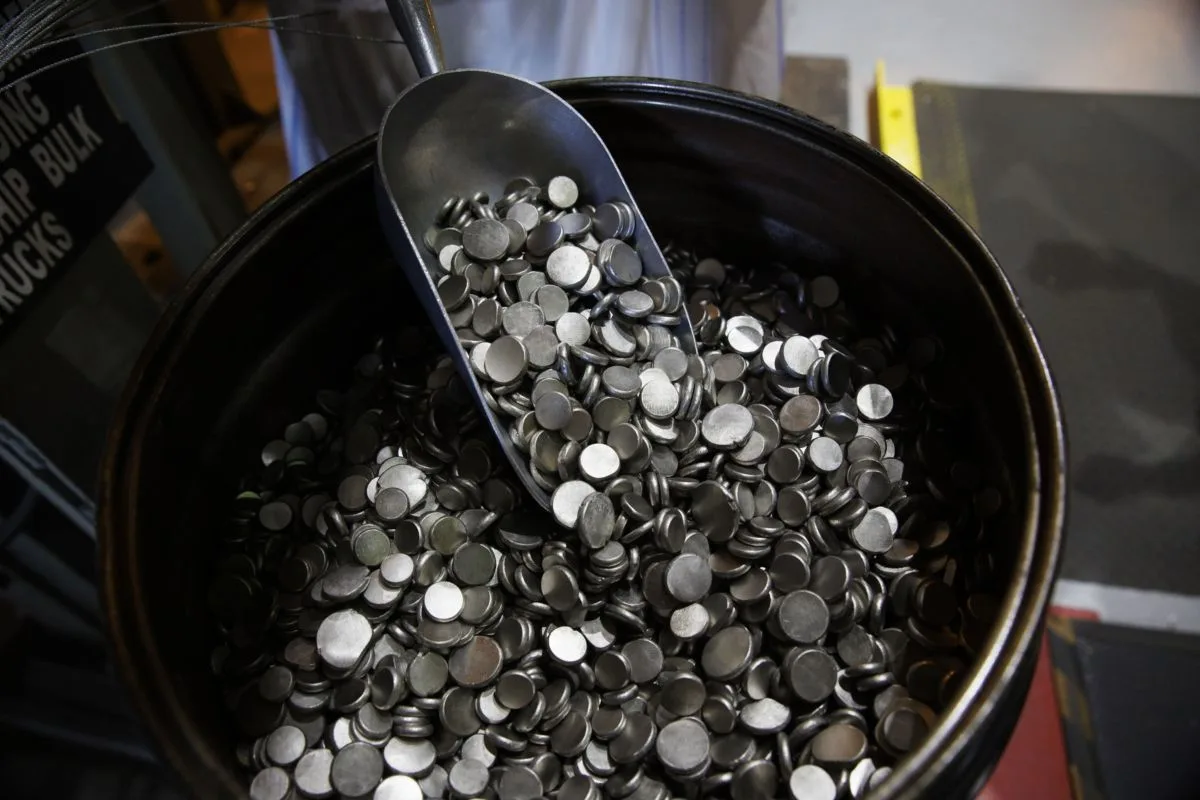
Nickel ore mining quotas for large mines have been cut by more than 70%, contributing to a total reduction of 30 million metric tons for the year, a move that has disrupted supply and increased operational risks for foreign miners [1, 2]. China Chamber board members Tsingshan Group, Zhejiang Huayou Cobalt, and Brunp are among those affected.
Beyond quota cuts, the letter detailed higher taxes and royalties, plans for new foreign-exchange retention rules, stricter forestry enforcement, work-visa restrictions, and suspensions of major projects, all adding to investor concerns [1, 2]. The government's revised nickel ore benchmark pricing formula, known as HPM, has also raised costs and threatens to undermine both existing operations and future investment commitments [1, 2].
In response to the outcry, Indonesia’s government has delayed planned increases in mineral royalties and export duties while working on revising the pricing formula to be fairer to companies [1, 2]. President Prabowo acknowledged the complaints, stating that "many foreign investors had complained Indonesia required too many permits and approvals took too long, and called for deregulation to support investment," though he did not specify countries [1, 2].
The dispute highlights mounting tensions as Indonesia seeks to balance resource control with attracting industrial investment. The government’s next moves on pricing and permit reform will be closely watched by foreign miners and policymakers alike.