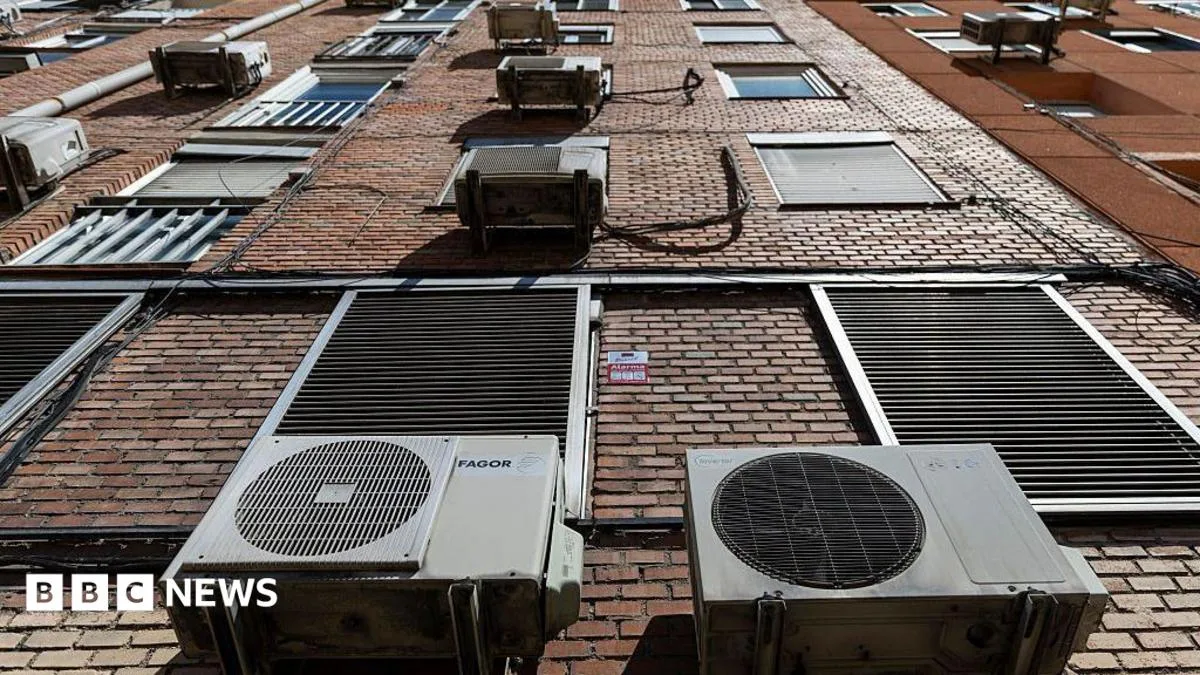
Europe faced its hottest June ever in 2026, with many German cities surpassing 40°C and France recording its hottest day since 1947 on June 24, leading to hundreds of school closures [1, 2, 3, 4, 5, 6]. Amid the heatwave, Midea's PortaSplit portable split air-conditioner surged in popularity, becoming one of the most sought-after cooling products in European markets [1, 2, 3, 7, 4, 5, 6].
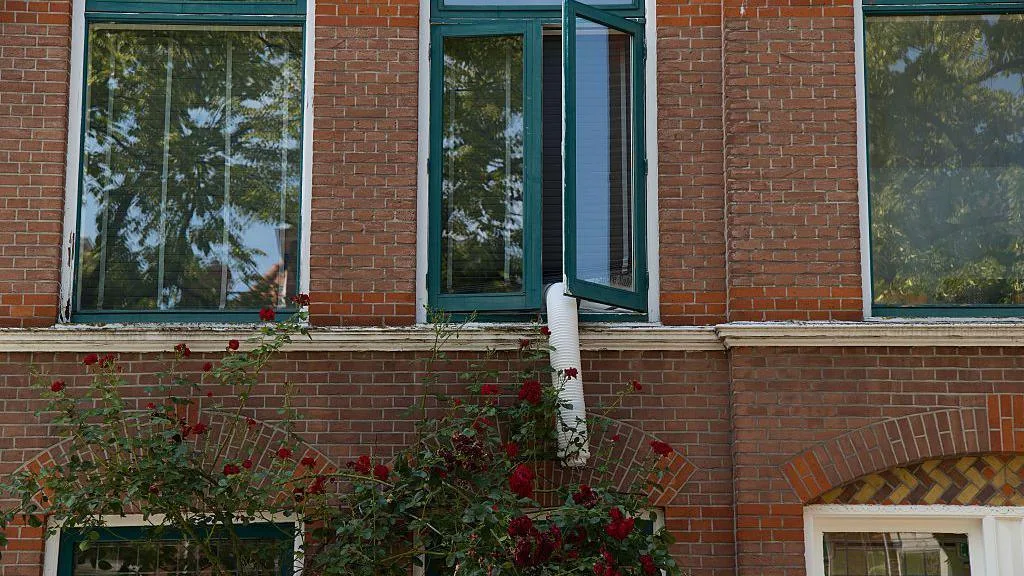
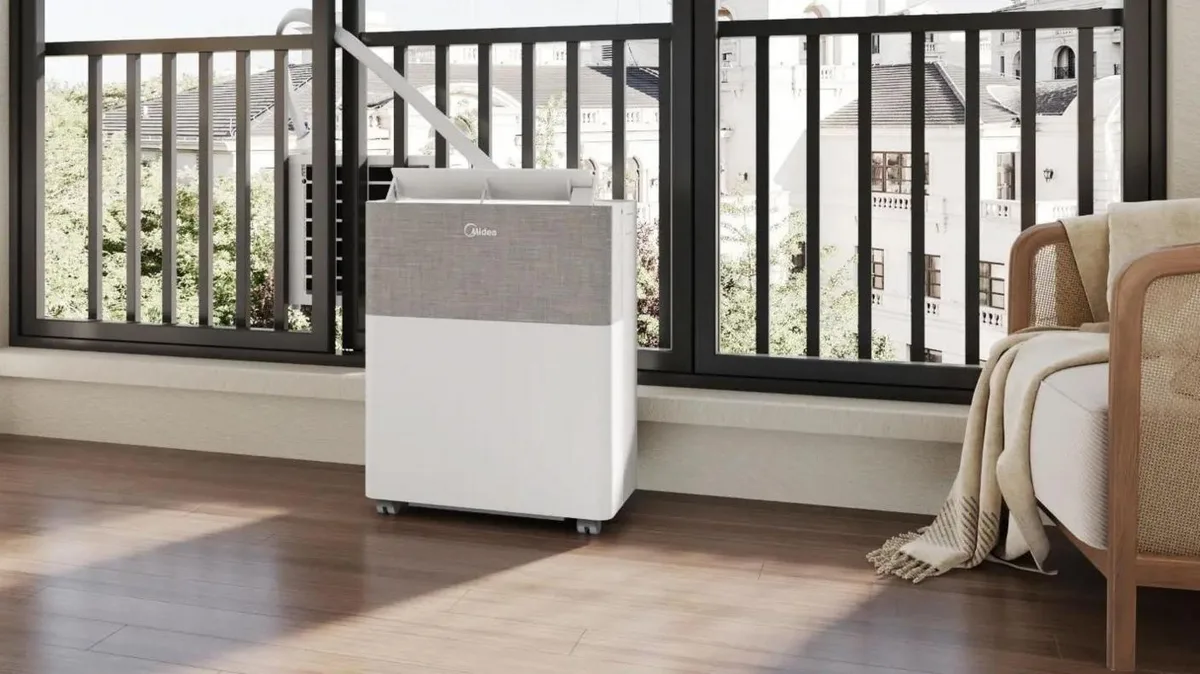
Launched in Germany in 2024, the PortaSplit combines German engineering and Italian design, featuring a lightweight outdoor unit that can be placed outside windows without drilling, complying with strict historic preservation laws in many cities [3, 4, 5]. The device retails for about €750. Its quick sell-outs led to resale prices two to three times higher in some areas [1, 3, 4, 5]. Midea Europe Business General Manager Ralph Kobsik said, "We see significant long-term growth potential in Europe" [2].
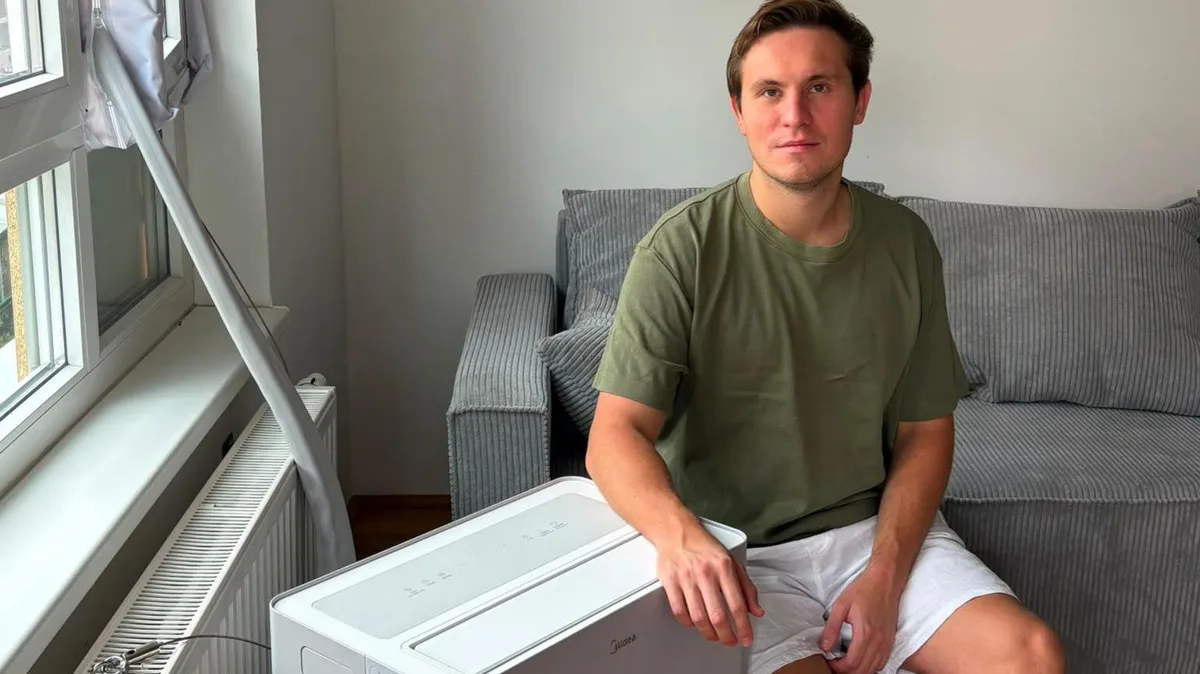
European buyers have noted the surprising quality and modern design of the Chinese-made PortaSplit, which challenges older stigma around "Made in China" products [2, 3, 4, 5, 6]. French customer Adrien Olar said, "When I walk into my room, it's like stepping into a fridge — a very, very great change" [2]. Another user, Denis Yurchak, praised the product: "Midea solved this problem in quite an interesting way" and added he ran the AC nearly 24/7 during the worst heat [1, 2].
Chinese rivals TCL and Gree also reported strong European sales growth: TCL’s air conditioner sales in France increased over 300%, while Gree noted many first-time buyers due to longer, more frequent heatwaves [2, 3, 4, 5, 6]. Baoshi Refrigeration, a Guangdong-based supplier of AC modules, said over 70% of its overseas orders in May 2026 went to Europe, mainly France, Germany, and Spain, exceeding 900,000 units—a 20% rise over May 2025 [8, 9, 10].
Despite commercial success, European environmentalists and some politicians raised concerns about increased electricity use and the release of outdoor heat from AC units potentially worsening urban heat islands [2, 6]. The 2024 global report notes air conditioning accounts for 7% of global electricity consumption and 2.7% of fossil fuel and industrial CO2 emissions [6, 2]. WHO Europe advised cautious and flexible use of air conditioning as a protective but unsustainable measure, especially for vulnerable populations [2, 6].
Following the June heatwave and related school closures, the French power company announced a €80 million investment to install cooling systems including air conditioners and fans in schools and community centers [2, 6].
European politicians have accused China of industrial overcapacity and dumping cheap products, while China denies this and maintains trade benefits both sides [8, 9, 10]. An expert from the Mercator Institute highlighted China's export competitiveness driven by government subsidies, cheap loans, and an undervalued yuan, prompting Europe to consider countermeasures [8, 9, 10]. The Chinese Foreign Ministry spokesperson Mao Ning said, "Quality, affordable products that meet demand naturally are welcomed" [8].