Shanghai lawyer Xie Jingyi, 36, has used AI tools like DeepSeek and Doubao since 2022 to boost efficiency in her commercial litigation practice, especially for searching legal precedents. She said, "It saves me an incredible amount of time" and believes AI will make some tasks obsolete but will sharpen focus on strategy and client service rather than replacing her role [1, 2, 3].
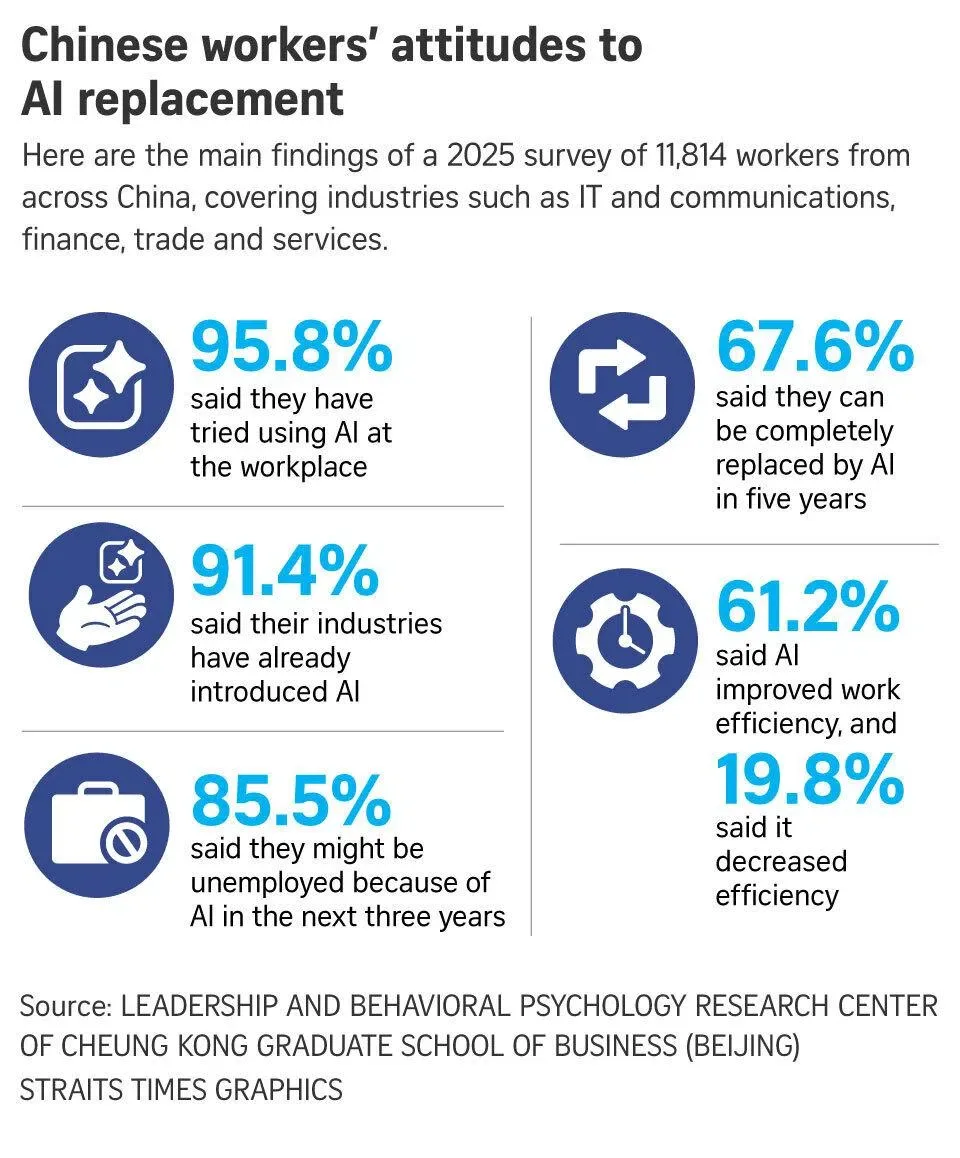
Across major Chinese cities, more than 30 workers and job seekers shared mixed feelings toward AI adoption in the workplace. While many expressed optimism about technology improving productivity, they also showed resignation about needing to adapt to new skills and roles [1, 2, 3].
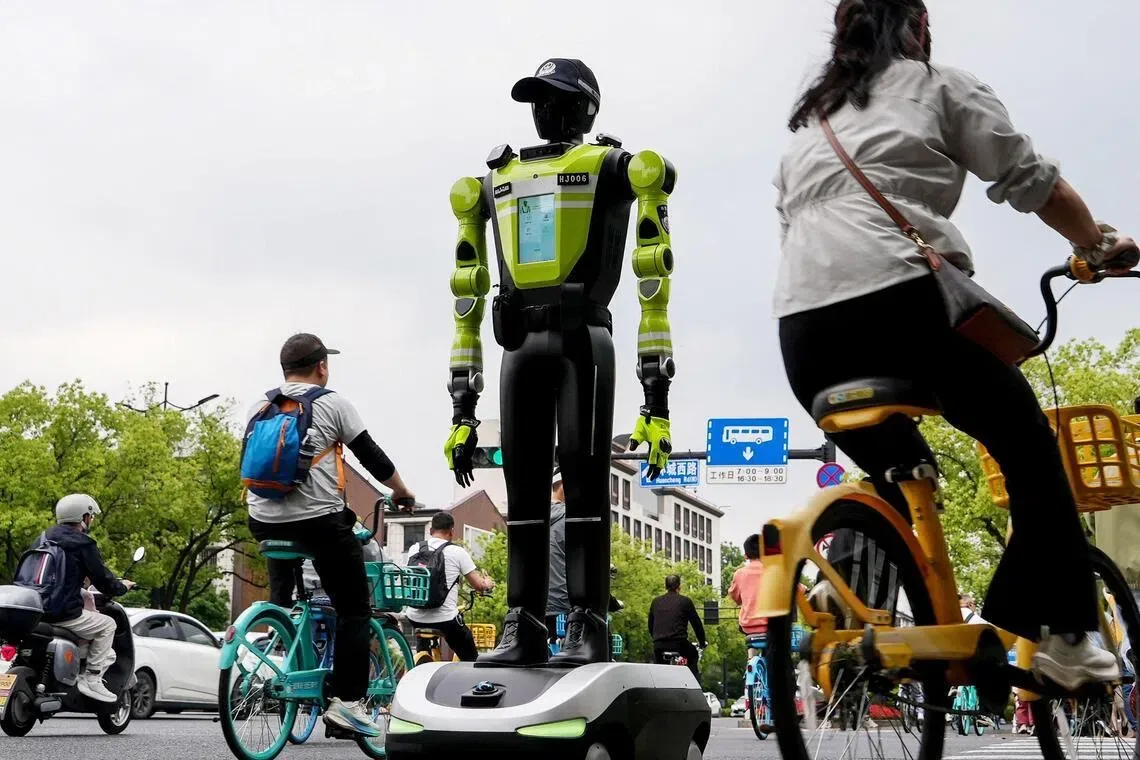
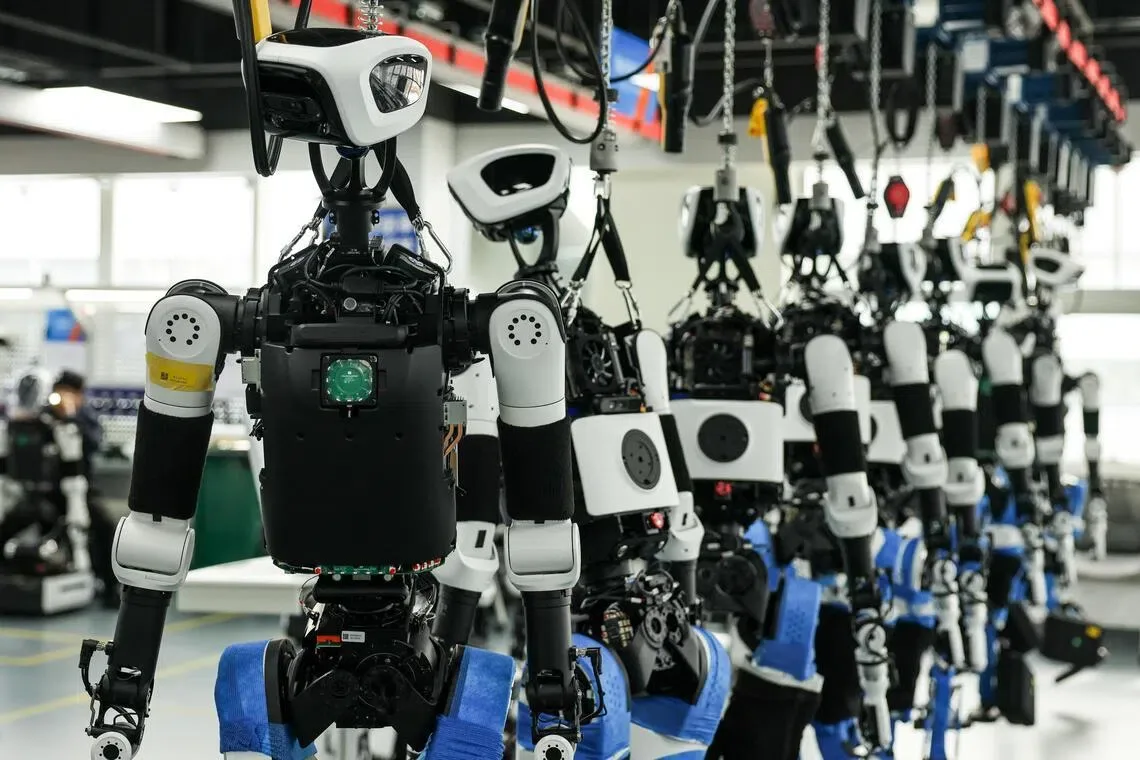
China aims to lead global AI development with advances in robotics, driverless vehicles, and chatbots. Unlike resistance seen in countries like the United States, there is little public pushback among Chinese workers toward the government-backed AI integration [1, 2, 3]. Authorities stress job protection amid AI adoption, reflecting socialist values and concerns about maintaining social stability [1, 2, 3].
In the hiring process, use of AI like ChatGPT for take-home assignments is generally accepted if permitted by employers. Experts advise candidates to be transparent about how they use AI, such as for brainstorming ideas, checking grammar, or sanity-checking complex formulas. Michelle Koh said, "Using AI to brainstorm ideas, structure your thoughts, improve writing clarity, check grammar or sanity-check formulas and code is increasingly common and generally viewed as acceptable" [4, 5, 6, 7].
However, experts caution against relying solely on AI without understanding the output, as it risks misrepresenting a candidate's abilities. Koh added, "If you do not truly understand the output, the submission no longer reflects your actual capability". Employers focus on judgment and reasoning. Kevin Chan said, "What I care about is judgment: Did the candidate scope the problem well, ask smart questions, structure their reasoning clearly, challenge weak assumptions and produce something useful? Whether AI was involved is far less important than whether the output is good" [4]. He also noted that rejecting AI tools altogether may raise doubts about adaptability in many roles [4].
Xie Jingyi's ongoing use of AI since 2022 illustrates the integration of these technologies into professional work in China. More workers and job seekers will likely need to navigate similar challenges and opportunities as AI use expands.