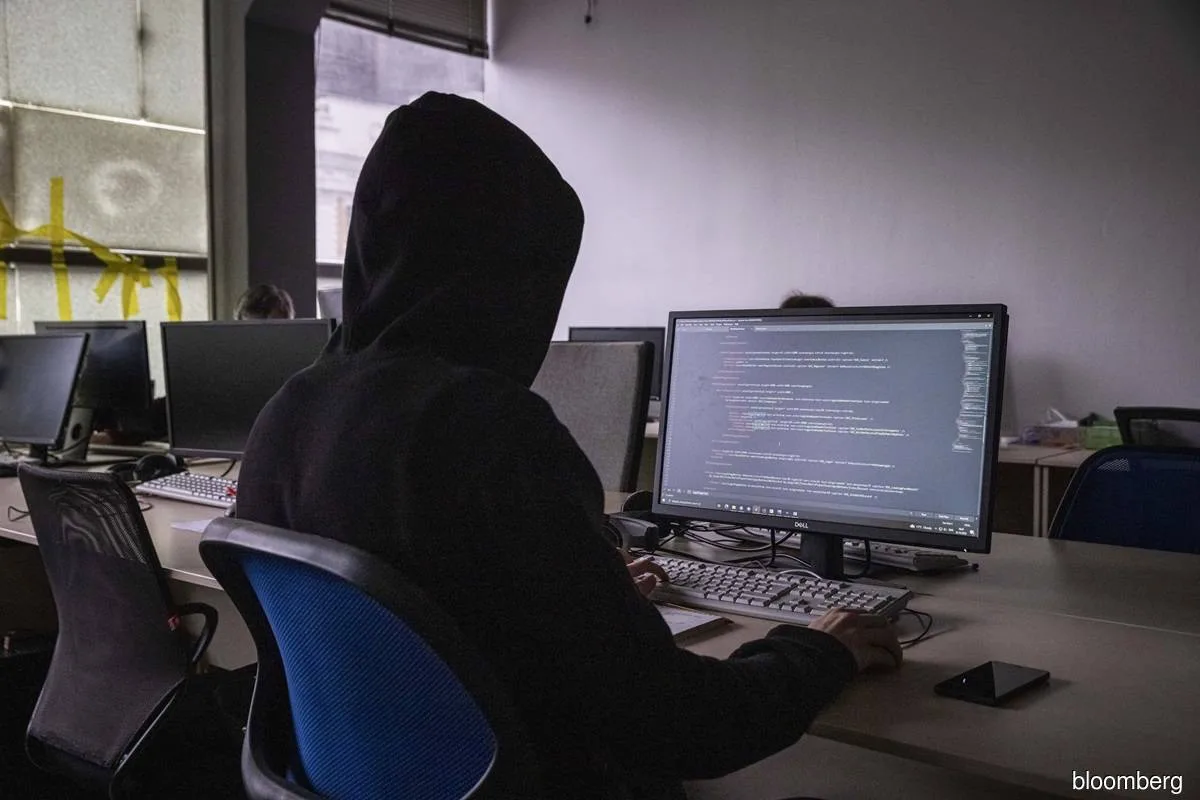
Nichirei, the largest frozen food supplier and refrigerated warehouse operator in Japan, suffered a cyberattack around July 13, 2026, causing widespread system disruption across its logistics operations [1, 2, 3, 4, 5, 6, 7].
The attack involved unauthorized system access that disrupted cold chain logistics and deliveries, leading to shipment delays for customers nationwide, including Kentucky Fried Chicken Japan, sushi chain Kura Sushi, ice cream maker Ezaki Glico, large retailers like Aeon, and various supermarkets and dining halls [1, 2, 3, 4, 5, 6, 7].
Ezaki Glico said about 20% of its ice cream products stored in Nichirei warehouses were affected, resulting in shipment delays. The company is shifting supplies through alternative warehouses, especially to regions in western Japan to maintain stock levels [1, 4, 8, 5, 7]. Kura Sushi reported that around 700 outlets in Japan and abroad experienced delays, causing shortages at some stores in western Japan [1, 4, 8, 5, 7].
KFC Japan warned more than 1,300 stores nationwide could face product shortages severe enough to force menu item removals or temporary closures [1, 2, 3, 5, 6]. The disruption also affected supermarkets, bakery companies, elderly care dining halls, and other foodservice providers in Tohoku and western Japan regions [1, 3, 5, 6, 7].
Nichirei's logistics network includes around 140 cold storage facilities and 7,000 trucks, serving about 5,000 clients nationwide [3, 5, 6]. The company said it plans to start gradually restoring services from July 17 onward, focusing on facilities deemed safe, but has not provided a full recovery timeline [2, 4, 5, 7]. Nichirei is investigating the incident, including possible leakage of customer personal information [2, 4, 5, 7].
This cyberattack follows recent ransomware and hacking incidents targeting major Japanese firms such as Asahi Beer and Muji [1, 4, 8, 5, 7]. Japanese government officials have urged companies to keep systems updated and implement cybersecurity measures, referencing a 2025 law aimed at strengthening cyber defenses. Government spokesman Minoru Kihara said, "The latest incident was a reminder to companies to keep their systems up to date" and advised that firms "should back up system data and keep systems updated" [1, 4, 5, 7].
Nichirei said in a statement, "We plan to gradually restore services starting from safe warehouses and factories, while investigating the cause and extent of the system failure and data breach" [4].
Supply chain disruptions remain in effect as of early August 2026, with clients seeking alternative arrangements while Nichirei works on recovery and further investigation.