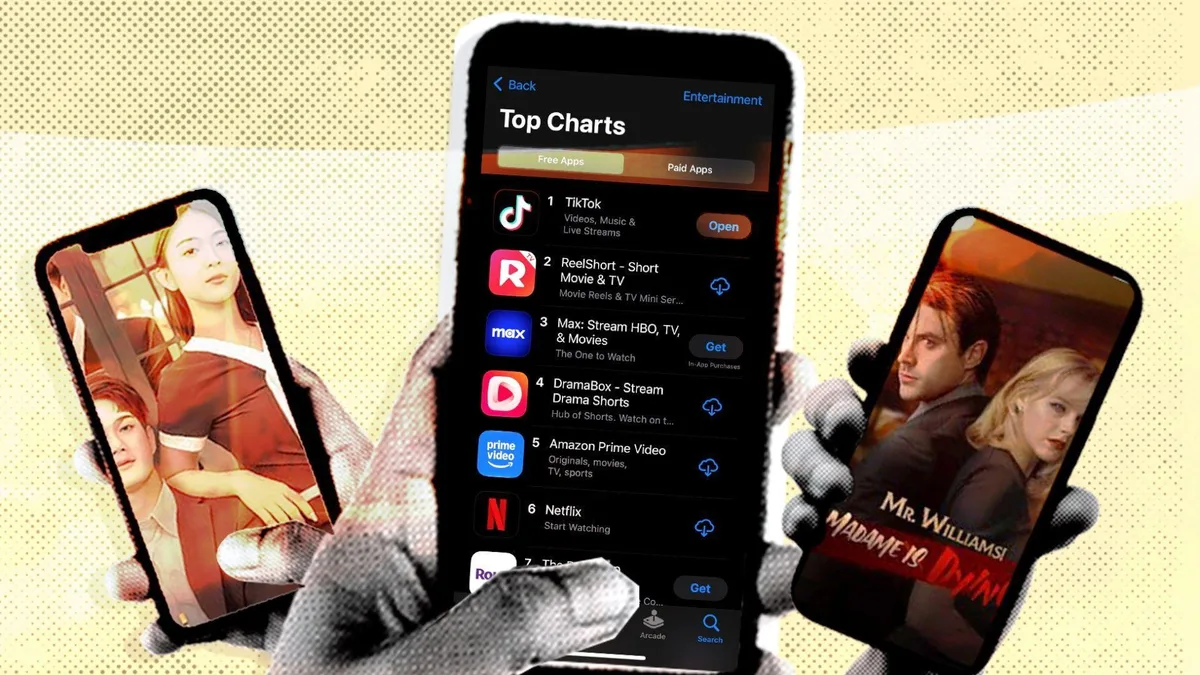
Dettol released a five-minute micro-drama styled advert in China in late May 2026 to promote its multipurpose disinfectant [1, 2, 3, 4, 5, 6, 7]. The advert featured a man searching for a partner who is “clean” and “not tainted by other men,” linking women’s sexual “purity” to disinfecting concepts [1, 3, 4, 5, 6, 7]. In a plot twist, the man's new girlfriend calls out his misogyny and ends the relationship; Dettol is shown as a product that can eliminate “toxic men” much like bacteria [1, 2, 3, 4, 6, 7].
The advert triggered widespread outrage on Chinese social media, with accusations it objectifies women and relies on sexist tropes [1, 3, 4, 5, 6, 7]. Calls for a boycott appeared on platforms such as Weibo and Xiaohongshu [1, 3, 4, 6, 7]. An anonymous Weibo user called it “a trashy advertisement” that left them “speechless” [1]. Another said, “I will never use Dettol again” [4]. Manya Koetse, founder of Eye on Digital China, said, “Even if the intention was to portray the male character as being in the wrong, the message was conveyed so poorly that it backfired spectacularly” [1].
Dettol removed the advert by June 21 amid the backlash [3, 4, 6]. The company apologised on June 22, stating the ad was produced by a third-party agency and intended to challenge gender stereotypes, but snippets circulating online distorted its message [1, 2, 3, 4, 5, 6, 7]. Dettol acknowledged the offence caused, especially to women, and took responsibility for negligence in creating and reviewing the content [1, 2, 3, 4, 6, 7]. The company pledged to review its content moderation processes, adding, “We are well aware that true protection also lies in safeguarding the dignity of every individual and their right to be treated equally” [1].
Dettol is owned by British consumer goods company Reckitt [1, 3, 4, 6]. By June 23, the topic had attracted over 80 million views on Weibo [4, 6]. Legal experts noted the advert may violate China’s advertising and women’s rights laws and could face fines up to 1 million yuan [3, 5].