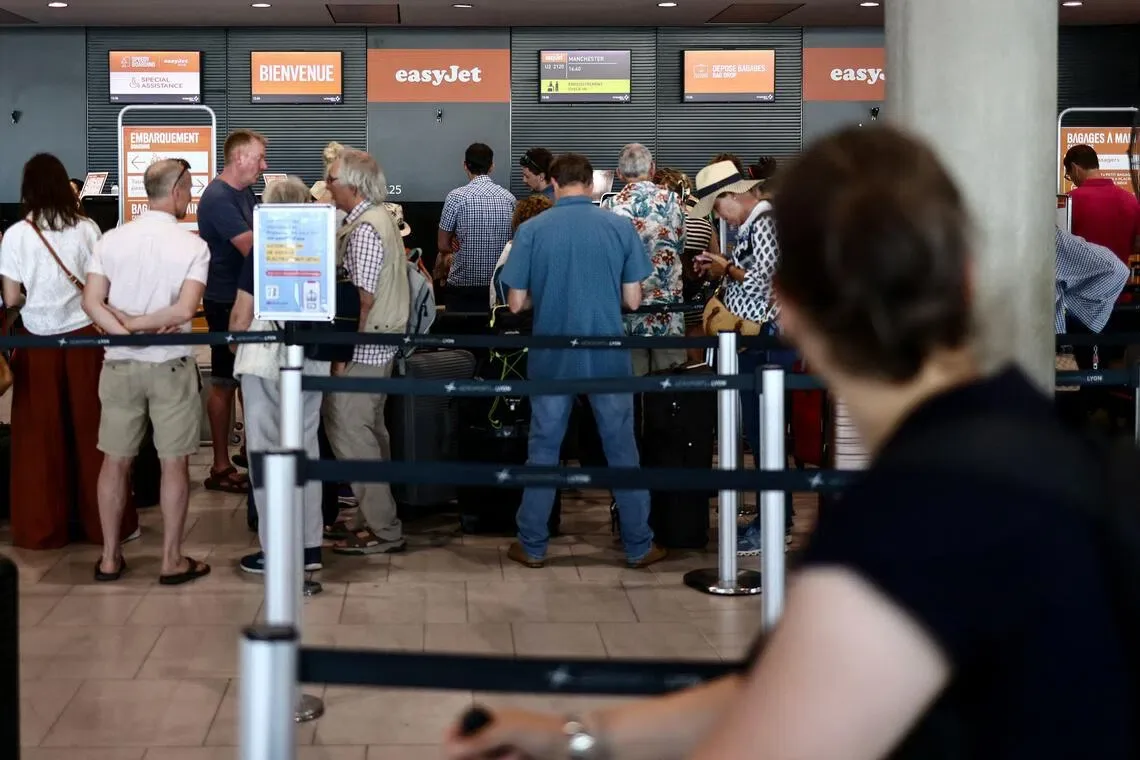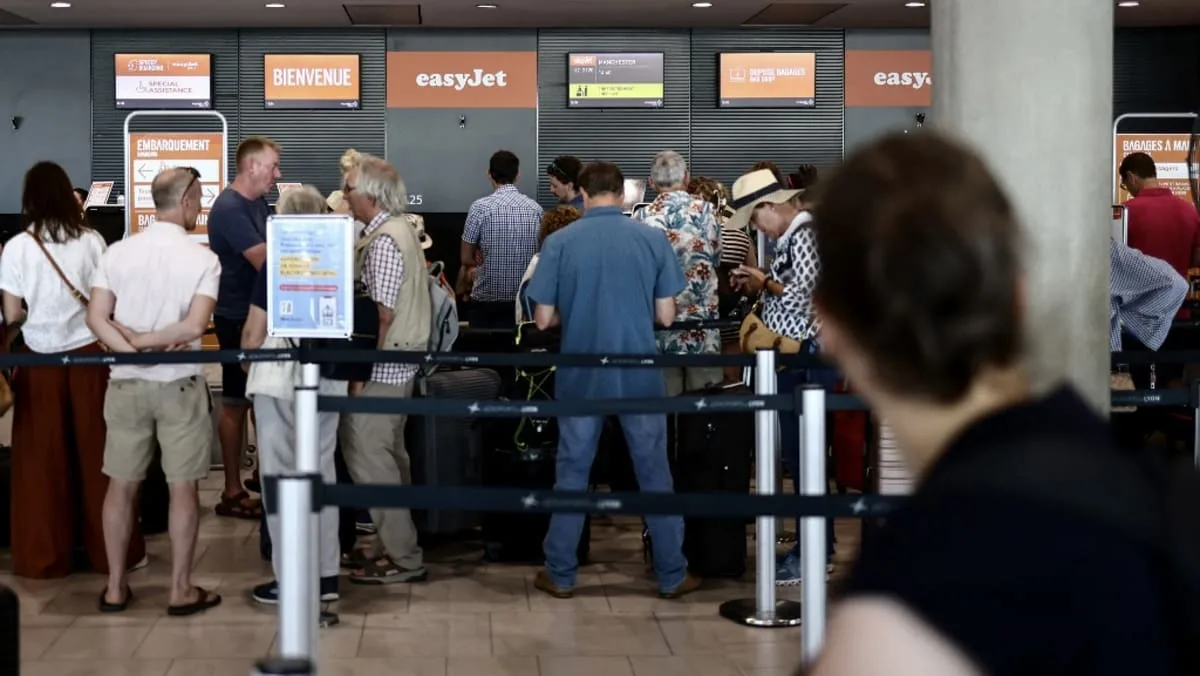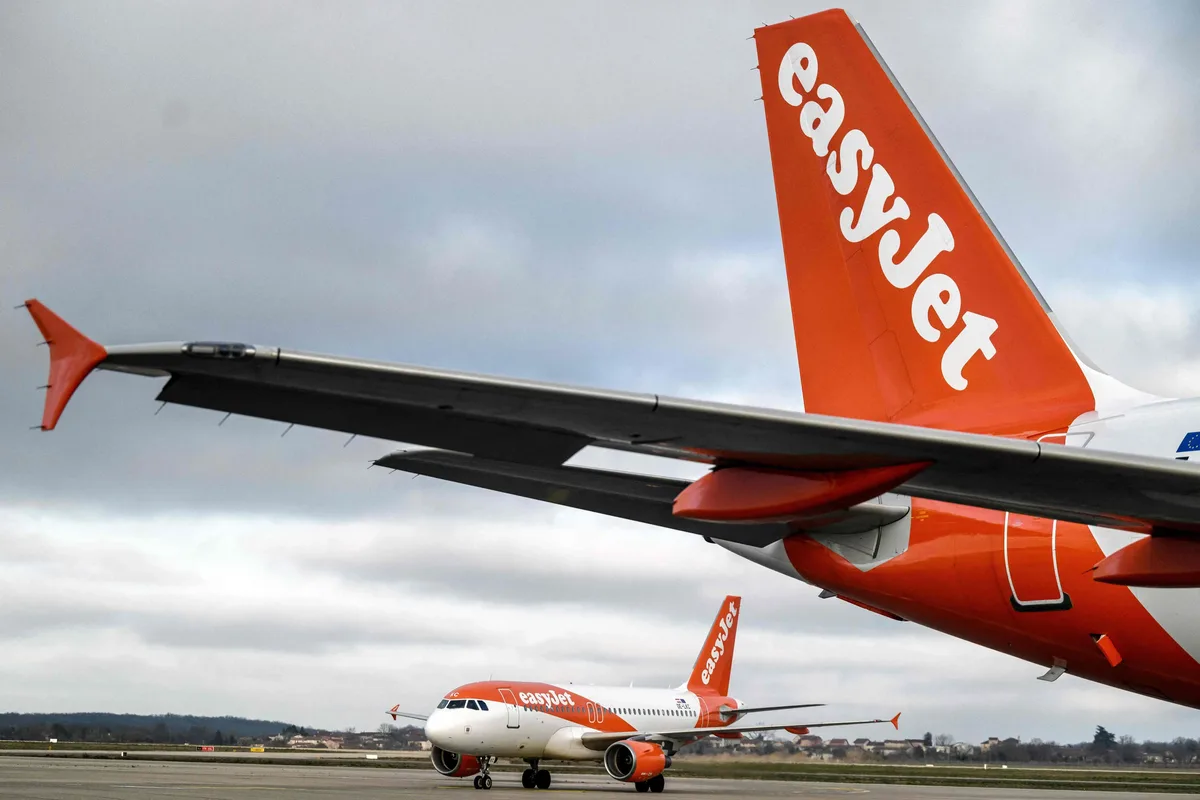
EasyJet cabin crew based in France launched a strike on August 15 and 16 due to repeated last-minute changes to their work schedules, forcing cancellations of around 100 flights departing French airports including Paris (both Charles de Gaulle and Orly), Nice, Bordeaux, and Lyon [1, 2, 3, 4, 5, 6].
Approximately half of the roughly 900 France-based cabin crew participated, though one source put the figure at 68 percent [1, 2, 3, 5, 6, 4]. The strike disrupted travel during a busy national holiday weekend, a timing that EasyJet management called opportunistic [1, 3, 5, 6].
The workers’ main grievance concerns frequent and unpredictable schedule changes—sometimes 50 to 60 alterations per week—with notifications often arriving only 24 to 48 hours before shifts. William Bourdon, a representative of the SNPNC-FO union, said, “For anything to do with personal life or childcare, it makes things extremely complicated to organise because most of the changes come at the last moment – 24 to 48 hours before.” He described the situation as “a permanent musical chairs,” adding, “Some crew could see their hours and destinations changed 50-60 times a week.” Their sole demand is stability in scheduling [1, 3].
France is EasyJet’s second largest market by passenger numbers after Air France, making the strike especially impactful on the airline's operations in Europe [1, 2, 3, 5, 6]. EasyJet was recently acquired by the U.S. private equity firm Apollo in a deal valued at about $7.7 billion or £57 billion, expected to finalize by the first quarter of 2027 [1, 3, 5, 6].
Three unions issued warnings of repeated strikes in France from August 7 through September 2, and more disruptions may occur over the coming weeks [1, 3, 5, 6]. EasyJet has scheduled talks with union representatives in September to negotiate working conditions. The company has previously made offers to improve staff conditions, though those efforts have not averted the current unrest [1, 2].