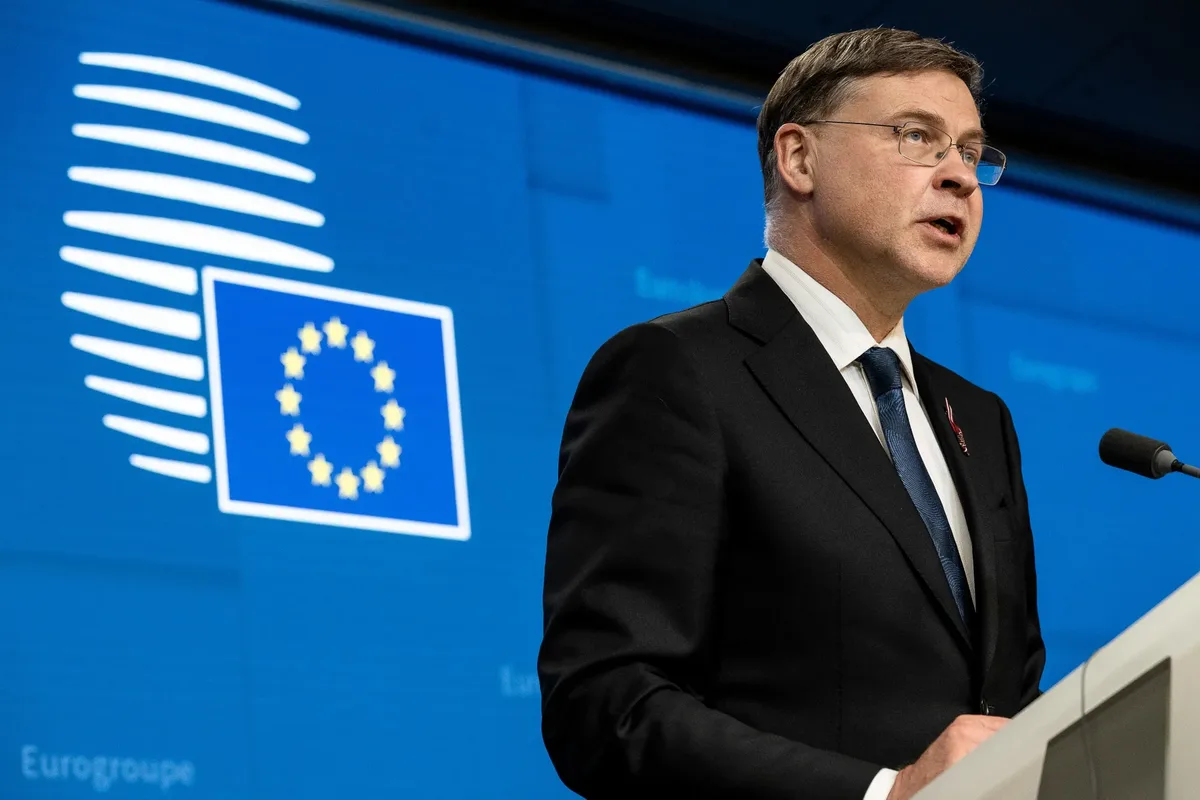
The European Central Bank (ECB) is set to respond to rising inflation triggered by the Iran war and related energy price shocks with an interest rate increase at its June meeting, according to multiple officials and market experts [1, 2, 3, 4, 5, 6, 7, 8, 9, 10]. Valdis Dombrovskis, the EU economic chief, said, “It’s clear that the ECB will have to respond to the increase in inflation” caused by the conflict and escalating energy costs [1].
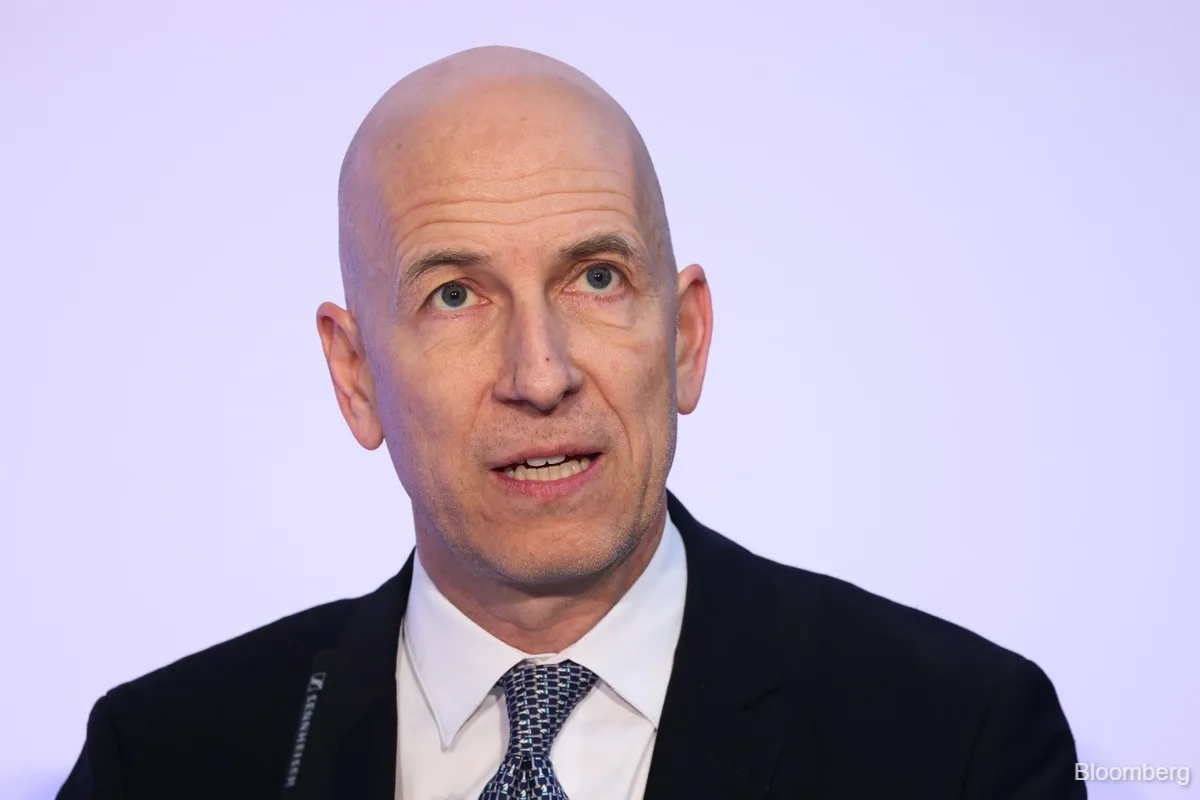
Several ECB officials, including Martin Kocher of Austria, Joachim Nagel of Germany, Pierre Wunsch of Belgium, and Olli Rehn of Finland, signaled a likely rate hike if the Iran conflict continues and energy prices do not ease. Kocher remarked, “If the situation doesn’t improve, we will have to focus our discussions on acting” [3]. Nagel stated, “Price pressure spread is rising, and we will have to consider action at the next meeting” [6]. Wunsch added, “If the Iran war does not end by June, the likelihood of an ECB rate hike is very high” [7]. Rehn noted, “The ECB may have to raise rates to maintain credibility after inflation broke above the 2% target due to the Iran war” [9].
The ECB's deposit rate currently stands at 2%, and markets expect a 25 basis point increase in June with the possibility of two or three hikes over 2026 [6, 7]. Eurozone inflation has risen to around 3%, surpassing the ECB’s 2% target amid ongoing energy shocks linked to the Iran war [2, 7, 9]. The European Commission recently raised its inflation forecast for 2026 while lowering growth expectations due to the energy crisis sparked by the conflict [4, 10].
The Iran war has caused uncertainty and upward pressure on energy and commodity prices across Europe and globally, contributing to the inflation surge [3, 5, 6, 7, 10]. Market traders warn that if the conflict and the blockade of the Strait of Hormuz persist, energy costs and inflation could rise further, forcing more aggressive tightening by the ECB [5, 6, 7].
Despite pressure to act, some ECB officials urge caution because of weakening economic growth and uncertainty. They plan to assess fresh data at the Governing Council meeting scheduled for June 10-11 before deciding on policy changes [3, 6, 8]. There is currently no public commitment from the ECB on moves beyond June, pending geopolitical and market developments [3, 8].
EU economic ministers met in Nicosia, Cyprus, from May 20 to 22, where Dombrovskis and other officials highlighted the need for the ECB to respond to inflation and the economic impact of the Iran war [1, 3, 4, 10]. The ECB Governing Council will hold its next policy meeting on June 10-11 to review inflation trends and decide on interest rate adjustments [3, 6].