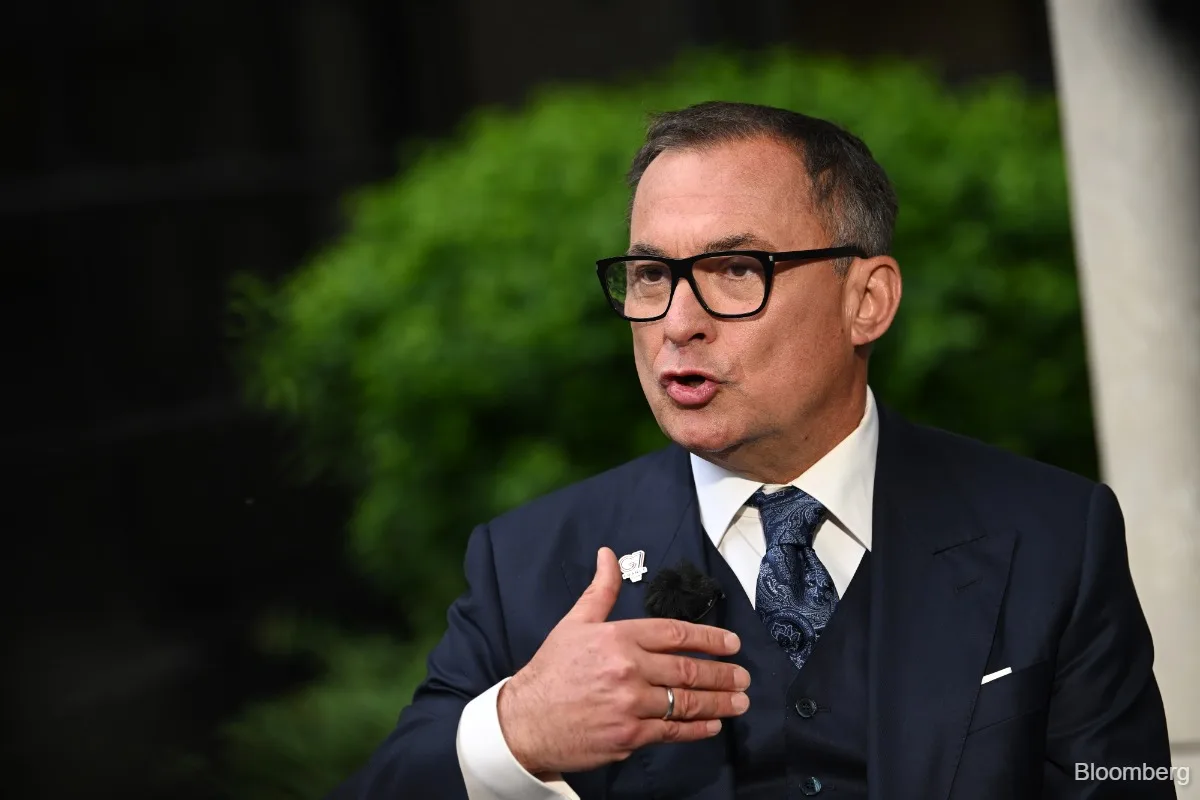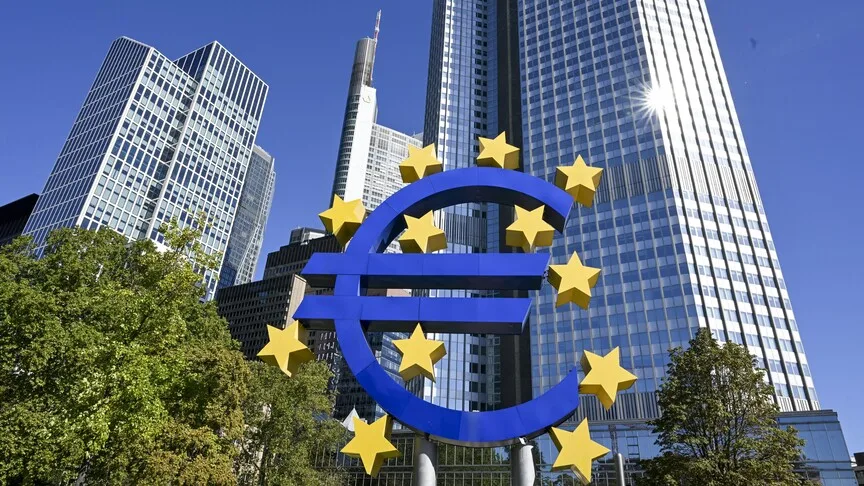
Joachim Nagel, a member of the European Central Bank's Governing Council and president of the Bundesbank, confirmed a greater than 95% probability that the ECB will raise interest rates at its meeting on September 10, 2026 [1, 2, 3]. He stated, "Markets are pricing in a probability of more than 95% that we will raise interest rates at our September meeting, and I would say that the markets have a rather good understanding of how we are likely to respond at this stage." [2]
The euro area’s annual consumer inflation rate rose to 3.3% in August, well above the ECB’s medium-term target of 2% [1, 2, 4]. Nagel emphasized the persistence of inflation, saying, "Inflation is not close to our medium-term target. It stands at around 3% rather than 2%. And according to the June projections, inflation will return to 2% over the medium term only if interest rates are higher." [2] He warned of risks from prolonged elevated inflation, stating, "The likelihood of second-round effects, when inflation spreads to other parts of the economy and to wages, increases when price gains remain elevated for an extended period." [1]
Although core inflation in the eurozone declined slightly to 2.4% in August and service sector inflation eased to 3%, this was viewed as positive news by some but not sufficient to halt tightening plans [4]. Nagel expressed caution about offering guidance beyond the September meeting due to volatile energy prices and uncertain financial markets, saying, "Our meeting-by-meeting approach has served us well in the past and will certainly do so in the future." [1, 2, 3]
The ECB is widely expected to raise its deposit facility rate by 25 basis points to 2.50%, following a similar increase in June [2]. Market consensus fully prices in this 25 basis point hike, which many experts expect will aim to bring inflation closer to target [4, 3]. The eurozone economy displayed resilience in the second quarter, supported by robust exports and manufacturing growth, providing some cushion amid the tightening cycle [2]. However, rising global long-term bond yields complicate the ECB’s monetary policy task by pushing up borrowing costs [1, 2].
The ECB Governing Council meeting to decide on the rate hike is scheduled for September 10, 2026 [1, 2].