European Central Bank officials are broadly expected to raise interest rates by 0.25 percentage points at their June 10-11 monetary policy meeting to bring inflation back toward the 2% target over the medium term [1, 2, 3, 4, 5, 6, 7]. Eurozone inflation rose to 3% in April, up from 2.6% in March, exceeding the ECB’s target and prompting concerns [8]. ECB President Christine Lagarde said inflation forecasts will likely be revised upward at the June meeting due to recent changes in price dynamics since March. "Our goal is to achieve 2% inflation over the medium term," Lagarde stated [3, 4, 9].
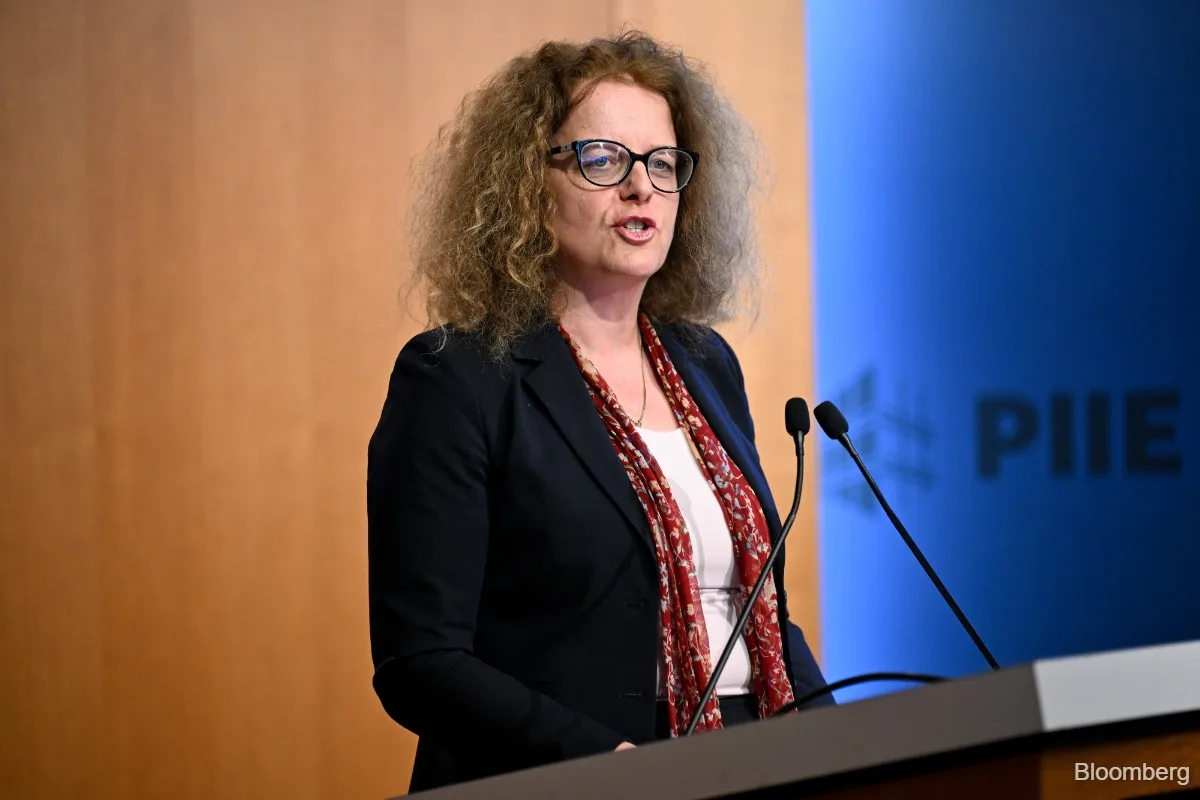
The conflict in the Middle East, especially the Iran war, has driven up energy prices and caused supply disruptions, which have added to inflationary pressures and clouded the economic outlook [1, 2, 8, 5, 6, 7]. ECB Executive Board member Isabel Schnabel said the energy shocks are larger and more persistent than initially expected and called for a June rate hike regardless of a potential peace agreement. "Given the size and the persistence of the current shock, looking through is no longer an option in my view. From today’s perspective, I think a rate hike in June will be needed," she said [2, 5, 6, 10]. Schnabel also noted increasing second-round inflation effects spreading beyond energy to other goods in the consumption basket [2, 6].
ECB Vice President Luis de Guindos urged careful consideration of the conflict’s impact on economic growth when setting policy. "We must consider the impact on growth. These supply shocks push inflation up but weaken growth and reduce internal demand," he said [7]. Although some policymakers acknowledge risks to growth from energy and supply shocks, recession is not the baseline assumption [7].
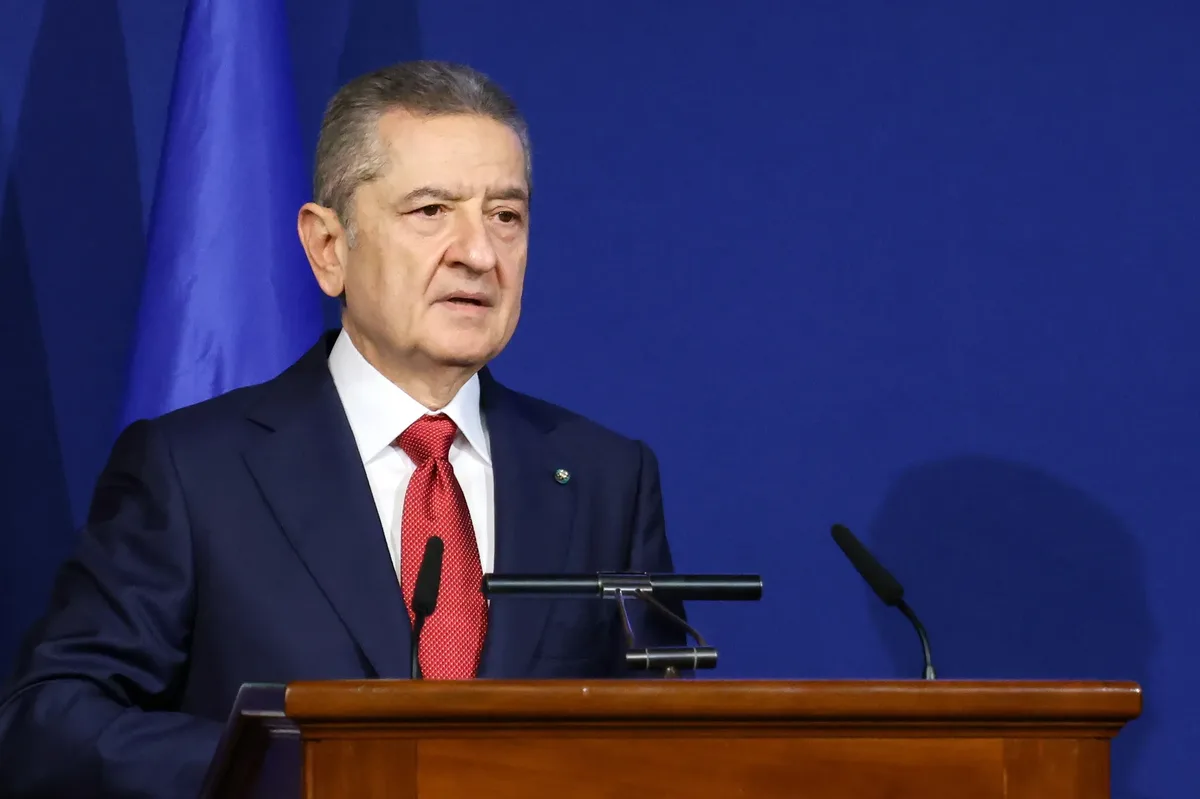
Some ECB officials, including Governing Council members Fabio Panetta and Wildfred Villeroy de Galhau, have emphasized the need for caution in signaling future tightening beyond June. Panetta said there is a case for a rate hike but cautioned against signaling a tightening path. Villeroy de Galhau pledged the ECB will do whatever is necessary to restore inflation to 2% over the medium term [1, 8]. Similarly, Dutch central bank Governor Olaf Sleijpen said the ECB will take all necessary measures and will have more data by June [11, 10].
The ECB held rates steady at 2% in April given insufficient data on second-round effects but is closely monitoring wage and inflation expectations before the June meeting [8]. Some policymakers urge avoiding commitments on hikes beyond June and to evaluate new data as it arrives [2, 6].
The June 10-11 ECB meeting will likely feature updated inflation forecasts and a closely watched decision on raising interest rates by 25 basis points to address ongoing inflationary pressures amid geopolitical tensions affecting energy supply and economic growth [1, 2, 3, 4, 9, 5, 6, 7].