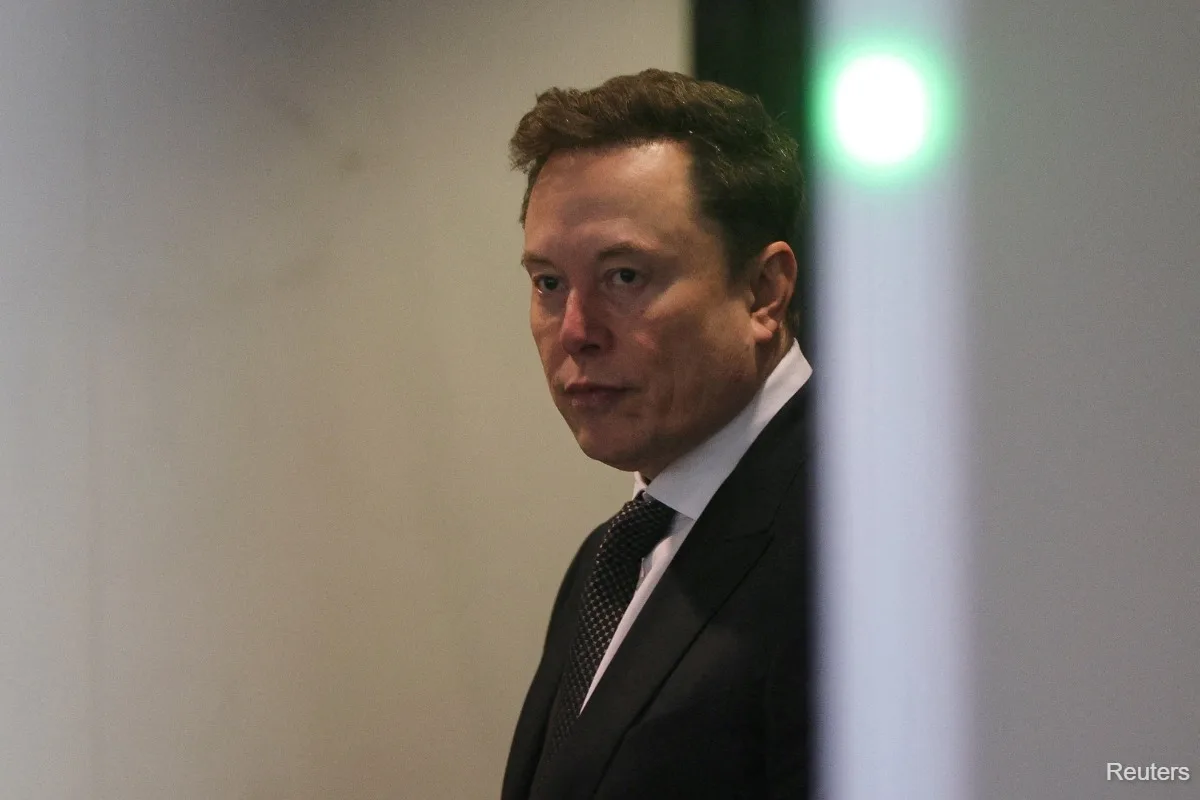
Elon Musk acknowledged that Tesla and SpaceX are collaborating more closely across several projects, noting "there’s more and more overlap" between the two companies [1, 2, 3, 4]. He revealed this during Tesla’s Q2 2026 earnings call on July 22, 2026, but declined to comment on potential merger plans, stating, "We can't talk about, you know, combining companies and that kind of thing on an earnings call. It’s got to be done with the appropriate process" [1, 4].
Among the joint ventures, Musk highlighted Terafab, a semiconductor manufacturing initiative launched by the two firms to produce AI chips, signaling deeper industrial cooperation [1, 3, 4]. Tesla also supplies batteries and manufacturing technologies for some SpaceX projects, further demonstrating operational integration [1].
SpaceX President Gwynne Shotwell agreed that closer ties could benefit both sides. She said, "A deal combining the rocket maker with Tesla might make Elon’s life a little easier. There is no question that there are synergies between Tesla and SpaceX in our futures" [4]. Tesla’s general counsel, Brandon Ehrhart, called SpaceX a "great partner that provides numerous beneficial transactions," reinforcing the companies’ collaborative relationship [1, 4].
Tesla’s financial results for the second quarter of 2026 showed revenue of $28.2 billion, beating expectations, though earnings per share missed estimates at 33 cents versus a projected 55 cents [4]. The company reported its first negative free cash flow in over two years, running just over $1 billion in the red [4]. Tesla plans to spend more than $25 billion on capital expenditures this year, with potential increases in the future [4].
While Musk stopped short of confirming any merger, the expanding operational overlap and joint ventures suggest the companies are aligning more closely. The Q2 earnings call remains the latest public update on Tesla and SpaceX's relationship.