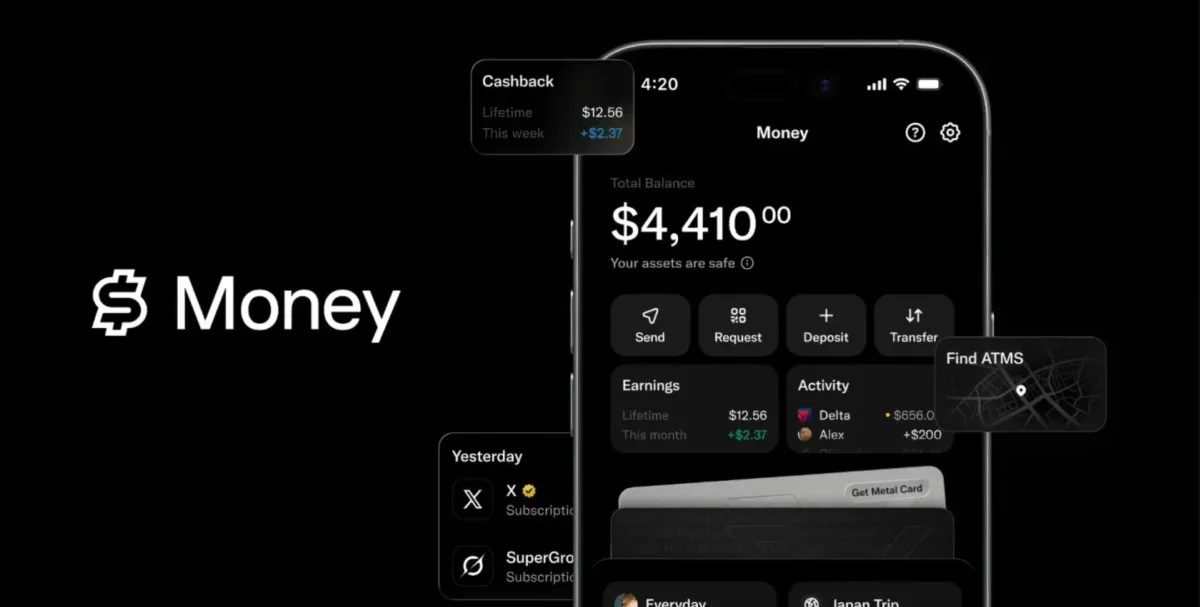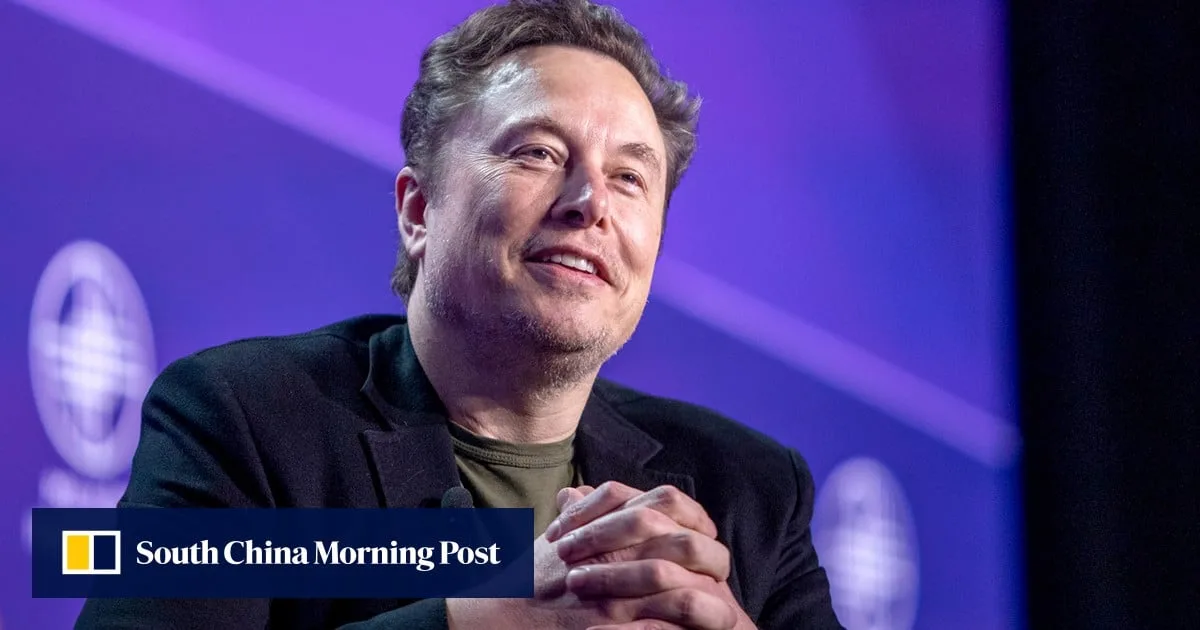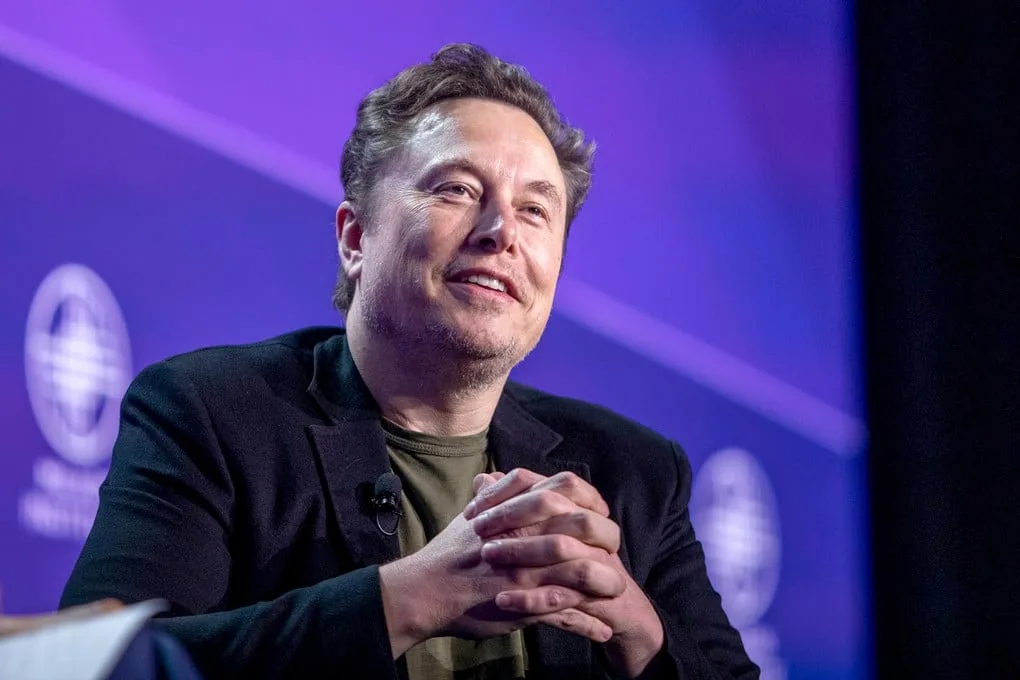
Elon Musk’s X platform, formerly known as Twitter, launched X Money, a new banking-like service allowing users to send money to each other in real time within the US [1, 2, 3, 4, 5]. The service became available on July 27, 2026, for invitation-only access to paid X Premium and Premium+ subscribers [2, 4, 5].
X Money is built on banking infrastructure provided by Cross River Bank of New Jersey, with deposits insured by the Federal Deposit Insurance Corporation (FDIC) up to $250,000 [1, 2, 4, 5]. Users receive an X-branded Visa debit card that can be used at any ATM worldwide without foreign transaction fees and includes free cash withdrawals [1, 3].
To earn the advertised 6% annual percentage yield (APY) on deposits, users must maintain a minimum balance of $1,000 and pay for X Premium services at $8 per month or subscribe to Premium+ at $40 per month or $395 annually, sometimes requiring linked direct deposit [1, 2, 3, 4, 5]. The service also offers 3% cashback on eligible purchases [1, 3].
X Money supports a range of banking functions such as peer-to-peer transfers, bill payments, wire transfers, and check sending—all integrated within the X platform [2, 4, 5]. Elon Musk aims to develop X into an "everything app" like China’s WeChat, combining social media with financial services [1, 2, 4, 5]. This launch is part of Musk’s long-standing vision dating back to X.com in 1999, which was an early online payment service that later merged into PayPal [1, 3].
The rollout faced scrutiny from US lawmakers. Senator Elizabeth Warren sent Musk a letter in April questioning how X Money could sustainably offer such a high yield, given Cross River Bank's past regulatory issues [2, 4, 5]. Warren asked, "How will X Money 'generate enough revenue to pay out that yield?'" [2].
X Money was initially tested at the end of June 2026 among select top-tier Premium+ subscribers before its wider launch [2, 4, 5].