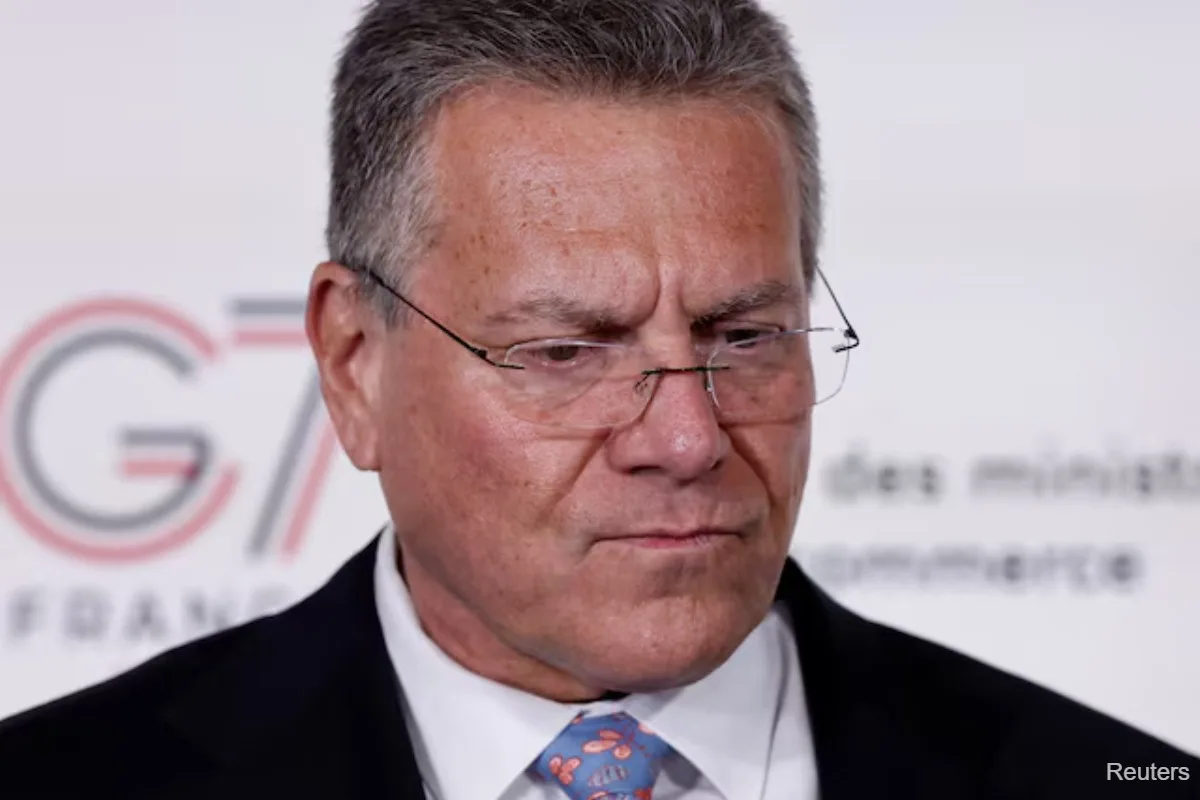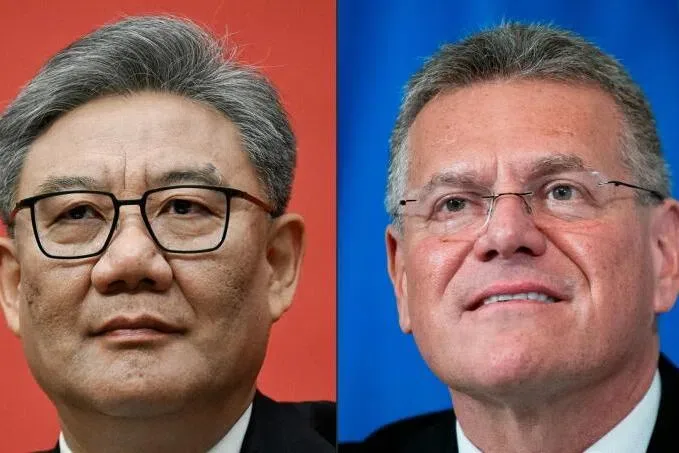
The European Union and China met in Brussels on June 29, 2026, for intensive talks aimed at easing growing trade frictions through sustained dialogue and cooperation [1, 2, 3, 4, 5, 6]. EU Trade Commissioner Maros Sefcovic said, “The status quo is not an option. China’s exports to the EU keep rising, while our market share in China keeps shrinking, and this trend is not sustainable” [1]. He warned that the EU’s widening trade deficit with China, which reached about €360 billion ($410–411 billion) in 2025—a 15% rise from 2024—is unsustainable [1, 2, 5, 6].
The EU and China agreed to exchange trade data, monitor flows, and establish working groups to address bilateral economic tensions [1, 2, 3]. Chinese Commerce Minister Wang Wentao reassured the EU that current export controls on rare earths and permanent magnets would not disrupt EU supply chains [1, 2]. Meanwhile, China described Europe as a “partner, not rival” and urged the EU against blaming China for its trade difficulties [2, 6]. Chinese Foreign Ministry spokesperson Guo Jiakun stated, “The root cause of the problems faced by the EU do not lie with China. The key to addressing bilateral economic and trade issues lies in deepening China-EU relations and cooperation and pursuing common development” [6].
EU officials raised concerns that Chinese firms received between three and eight times more government subsidies than OECD companies from 2005 to 2024, contributing to unfair competition worries [1, 5]. Trade Commissioner Sefcovic expressed optimism that the talks would yield tangible results by October. “We think that between now and October our teams have sufficient time to deliver the tangible results,” he said [1].
The two sides plan a follow-up meeting in Beijing in October 2026 to review progress and attempt to finalize steps toward reducing trade imbalances and economic tensions [1, 2, 4].