The European Commission announced it will allow EU member states to increase fiscal spending up to 0.3% of their GDP each year for energy-related measures outside the usual EU fiscal rules. The move aims to help countries manage rising energy prices linked to the conflict in Iran [1, 2, 3].
Economy Commissioner Valdis Dombrovskis said, "The European Commission will offer room for up to 0.3% of gross domestic product per year to be devoted to green-related measures breaching the EU’s fiscal framework" [1]. The extra fiscal leeway targets subsidies or programs that reduce fossil fuel consumption and ease the energy cost burden on households and businesses [1, 2, 3].
This 0.3% GDP allowance will be part of the existing fiscal exemptions framework that currently includes a 1.5% GDP exemption for defense spending, introduced in 2025 to support rebuilding European military capabilities [2]. The Commission discussed the plans with member states officials as recently as June 2, 2026, highlighting the urgency due to current energy market pressures [2].
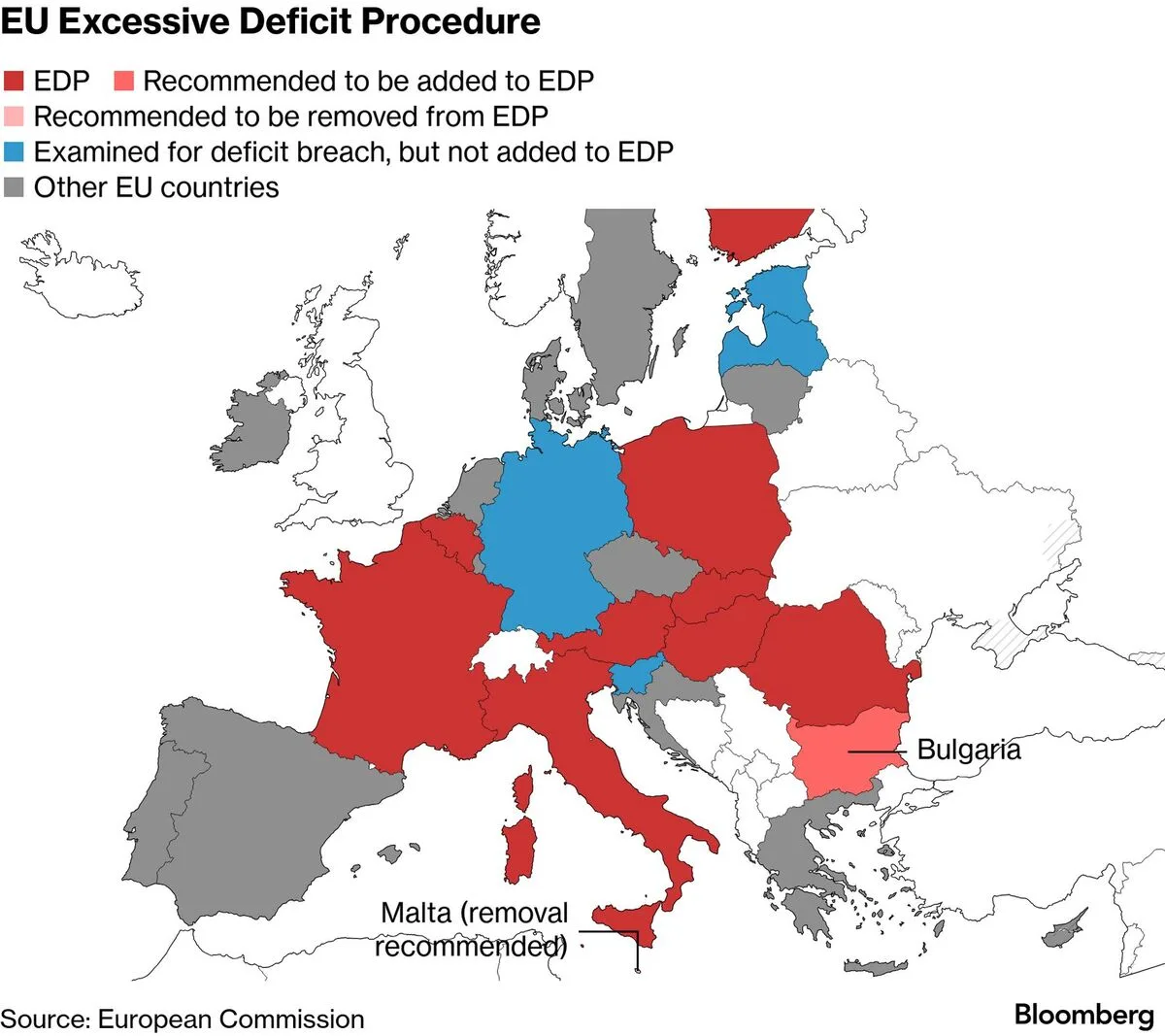
By enabling green-focused support outside the EU's standard deficit limit of 3%, the Commission is offering member states more flexibility amid the ongoing energy crisis caused by geopolitical tensions in Iran [1, 2, 3].
The new fiscal accommodation for energy-related measures enters alongside the defense exemption, providing countries additional budget room to address multiple urgent challenges. EU member states are expected to plan and report on the use of this 0.3% GDP allowance as part of their fiscal frameworks going forward [2].